
Understanding Building Permit Requirements: A Guide for Homeowners and Contractors
Navigating building permit requirements can be complex. This guide simplifies the process for homeowners and contractors.
Understanding Building Permit Requirements
Whether you're a homeowner planning a renovation or a contractor managing a construction project, understanding the building permit requirements is essential. Permits ensure compliance with local building codes, safety regulations, and zoning laws. In this article, we'll break down the key aspects of building permit requirements to help you streamline your project.
Why Building Permits Are Necessary
Building permits serve several critical functions:
- Safety and Compliance: Permits ensure your project meets safety standards and building codes.
- Legal Protection: Without a permit, you risk fines, project delays, or even being required to undo work.
- Property Value: Proper permits can increase your property's value and make future sales easier.
Failing to obtain the correct permits can lead to serious consequences. For example, if you want to build a new addition to your home and don't secure the proper permit, the work may not be recognized by your local authorities, and you could be required to remove or redo it at your own expense.
Common Building Permit Requirements
The specific building permit requirements vary depending on your location and the type of project. However, there are some common elements:
- Project Scope: You'll need to define the project in detail, including its size, materials, and intended use.
- Plans and Drawings: Most local governments require detailed architectural plans and engineering drawings to be submitted with your application.
- Inspections: Once a permit is approved, your project will need to pass several inspections at key stages to ensure compliance with the approved plans.
For more information on the types of permits you may need, visit our permits page.
Who Needs a Building Permit?
Not all projects require a building permit. Here's a general guideline:
- Homeowners: Permits are typically required for structural changes, electrical work, plumbing, and major renovations.
- Contractors: As a licensed contractor, you're responsible for ensuring all necessary permits are obtained before starting work.
If you're a contractor managing multiple projects, our builder solutions can help you stay organized and compliant.
The Permit Application Process
The building permit requirements application process can be time-consuming if you're not familiar with the steps. Here's a general overview:
- Research: Determine if your project requires a permit. This information can usually be found on your local government's website.
- Prepare Documents: Gather all necessary documents, including plans, drawings, and any required forms.
- Submit Application: Submit your application and pay any required fees. The processing time can vary, but for more details on how long it takes to get a building permit, check our how long does it take to get a building permit page.
- Wait for Approval: Your application will be reviewed by local authorities. If everything is in order, you'll receive your permit.
- Schedule Inspections: Once the permit is approved, schedule the necessary inspections throughout your project.
Common Projects That Require Permits
Here are some common home improvement and construction projects that typically require a building permit:
- New Construction: Building a new home or structure.
- Additions: Adding a room, garage, or extension to an existing structure.
- Renovations: Major renovations to the structure, plumbing, or electrical systems.
- Roof Work: Replacing or repairing a roof, especially if it involves structural changes.
If you're unsure whether your project needs a permit, it's always best to consult with your local building department or use our how to get a building permit guide.
Consequences of Ignoring Permit Requirements
Ignoring building permit requirements can lead to serious consequences, including:
- Fines: Local authorities can fine you for unpermitted work.
- Project Delays: If you're selling your home and a title search reveals unpermitted work, the sale could be delayed or even fall through.
- Insurance Issues: If a project is done without a permit, your insurance may not cover any damages or accidents that occur.
How GovCodex Can Help
At GovCodex, we understand the complexities of navigating building permit requirements. Our platform is designed to help homeowners and contractors:
- Find the Right Permits: Quickly determine which permits are needed for your project.
- Access Local Regulations: Stay up-to-date with the latest building codes and regulations in your area.
- Streamline the Application Process: Save time and reduce the risk of delays with our user-friendly tools.
Explore our solutions to see how we can help you manage your next project efficiently and compliantly.
Frequently Asked Questions (FAQ)
How long does it take to get a building permit?
Processing times vary depending on the project and local authorities. Some permits can be approved in a few days, while others may take weeks. For more information, visit our how long does it take to get a building permit page.
How long does it take to get a builders permit?
A builder's permit is typically faster to obtain but still requires review. Check with your local building department for exact timelines.
How to get a copy of city permit?
If you need a copy of a city permit, contact your local building department or use our how to get a copy of city permit guide for step-by-step instructions.
What is a permit?
A permit is an official document issued by a local authority that allows you to proceed with a specific construction or renovation project. For more details, visit our what is a permit page.
Where do you get a building permit?
Building permits are typically obtained from your local government's building department. For more information, see our where do you get a building permit guide.
How long does it take to get a construction permit?
Construction permit processing times vary but generally range from a few days to several weeks. For more details, visit our how long does it take to get a construction permit page.
How long do you need a permit?
Permits are usually valid for a specific period, often one to two years. If work is not completed within this timeframe, you may need to renew the permit or submit a new application.
Conclusion
Understanding building permit requirements is crucial for any construction or renovation project. By following the guidelines outlined in this article, you can ensure your project is compliant, safe, and legally sound. Whether you're a homeowner or a contractor, taking the time to research and obtain the necessary permits will save you time, money, and potential legal issues in the long run.
For more information and to streamline your permit process, visit our permits and solutions pages.
Further reading
- Do I Need a Building Permit? A Comprehensive Guide for Homeowners and Contractors
- When Do You Need a Construction Permit? Essential Guide for Homeowners and Contractors
- How Long Does It Take to Get a Building Permit Approved? | GovCodex
Further reading
- How to Obtain a Building Permit for a Garage: A Homeowner's Guide
- Building Permit for Fence: A Homeowner and Contractor Guide
- How to Get a Building Permit: A Step-by-Step Guide for Homeowners and Contractors
Further reading
Related Articles
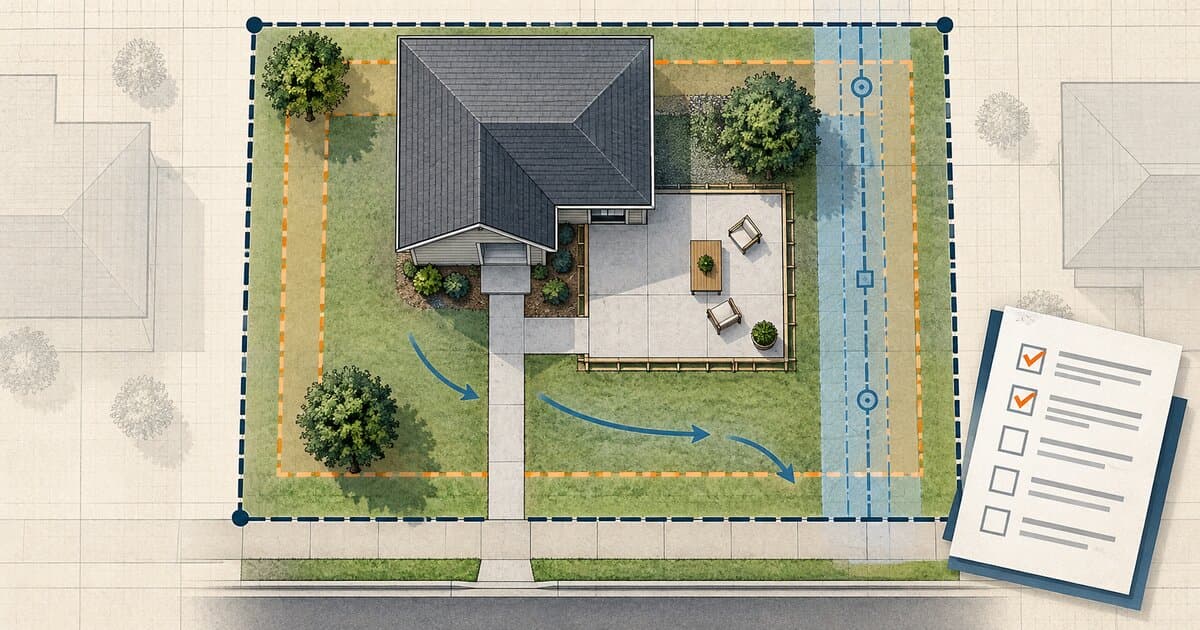
Do You Need a Permit to Pour Concrete? Patios, Slabs & Walkways
Pouring concrete may be permit-exempt or regulated depending on whether it is a patio, slab, walkway, driveway, structural base, or right-of-way work.
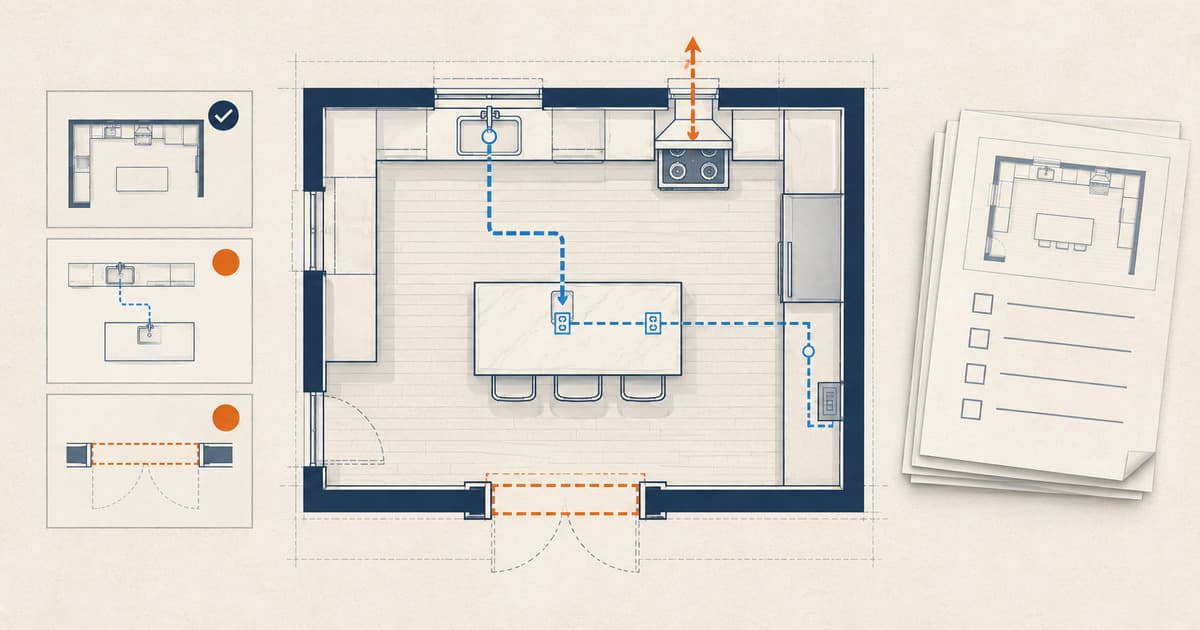
Do You Need a Permit for a Kitchen Remodel?
Learn when cabinets, sinks, islands, appliances, walls, wiring, plumbing, gas, or ventilation can change kitchen-remodel permit and inspection needs.

Do You Need a Permit to Finish a Basement?
Learn when a basement finish needs a permit, what changes for bedrooms and bathrooms, and which inspections come before drywall.