
How to Apply for a Construction Permit: A Homeowner and Contractor Guide
Learn the steps to successfully complete an application for construction permit for your building project.
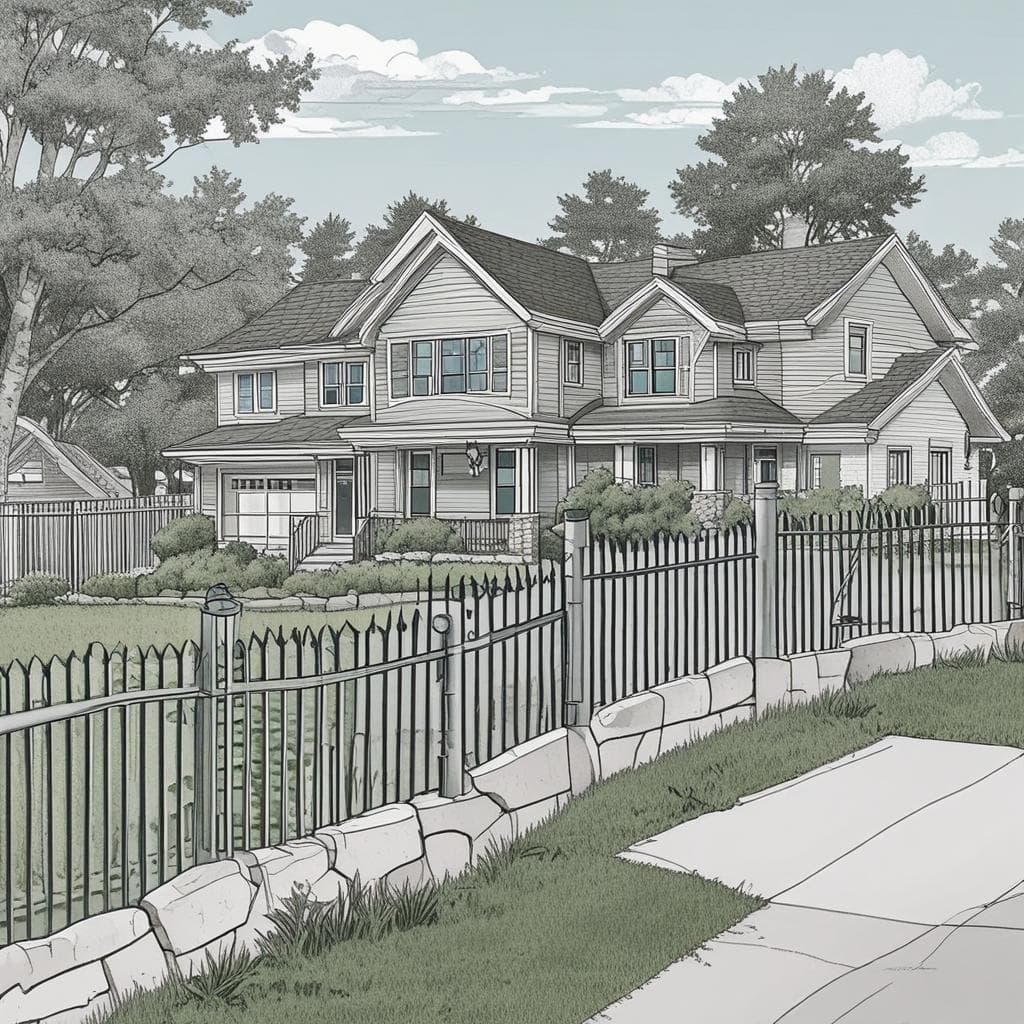
If you're a homeowner or contractor, understanding the application for construction permit process is crucial to ensure your building project moves forward smoothly. Whether you're constructing a new home, renovating an existing structure, or adding an extension, you'll need to follow the proper steps to obtain a permit. This guide will walk you through the process step-by-step, helping you avoid delays and potential legal issues.
Understanding the Need for a Construction Permit
Before diving into the application process, it's important to understand why a construction permit is necessary. Permits ensure that all construction work complies with local building codes, safety standards, and zoning regulations. They help protect public safety and property values by ensuring that construction work is done correctly and legally.
Here are some common reasons you might need a construction permit:
- New construction projects
- Major renovations or additions
- Electrical, plumbing, or HVAC upgrades
- Demolition of structures
- Installation of fences or driveways
Not all projects require a permit. For instance, minor repairs or cosmetic changes may be exempt. It's always a good idea to check with your local building department to confirm if your project requires a permit.
Steps to Apply for a Construction Permit
Obtaining a construction permit involves several steps. Here's a breakdown of the typical process:
1. Research Local Requirements
Each municipality has its own set of rules and regulations regarding construction permits. Start by contacting your local building department to learn about the specific requirements for your project. You can also visit our solutions page to see how GovCodex can streamline the process for you.
2. Prepare Your Application and Supporting Documents
To apply for a permit, you'll typically need to submit the following:
- Completed application form
- Site plans and construction blueprints
- Proof of ownership or authorization
- Contractor licenses (if applicable)
- Zoning compliance documentation
Make sure all documents are accurate and complete to avoid delays in the approval process.
3. Submit Your Application
Once you have all the necessary documents, you can submit your application to the local building department. This can often be done online, by mail, or in person. Visit our permits page to explore how GovCodex simplifies the submission process.
4. Pay the Required Fees
Most jurisdictions charge a fee for processing construction permits. The cost varies depending on the scope of the project and local regulations. Be prepared to pay the fee when you submit your application.
5. Wait for Approval
After submitting your application, it will go through a review process. The time it takes to get a permit can vary, but it's typically between a few days to a few weeks. You can track the status of your application through GovCodex's builder tools.
Common Challenges and How to Avoid Them
The application for construction permit process can be complex and time-consuming. Here are some common challenges and how to avoid them:
- Incomplete documentation: Ensure you have all the required documents before submitting your application.
- Zoning issues: Verify that your project complies with local zoning laws and setback requirements.
- Design flaws: Work with a licensed architect or engineer to ensure your plans meet all building codes.
By addressing these issues upfront, you can significantly reduce the time it takes to get a construction permit and avoid costly delays.
The Importance of Compliance and Safety
Obtaining a construction permit is not just a formality—it's a critical step in ensuring the safety and legality of your project. A permit allows inspectors to review your work at various stages, ensuring that it meets all required standards. This helps prevent structural issues, fire hazards, and other safety risks that could compromise your project and the surrounding area.
Conclusion
Navigating the application for construction permit process can be challenging, but with the right information and tools, you can streamline the process and get your project off the ground quickly. By understanding the requirements, preparing thoroughly, and using resources like GovCodex, you can avoid common pitfalls and ensure a smooth and compliant construction process.
Whether you're a homeowner or a contractor, staying informed about the permit process is essential for the success of your building project. For more guidance and support, explore our solutions and permits pages today.
Further reading
- Everything You Need to Know About Getting a Building Permit for a Garage
- Baltimore Permits: A Comprehensive Guide for Homeowners and Contractors
- Understanding Building Permits for Homeowners and Contractors
Further reading
- Navigating Baltimore Permits for Homeowners and Contractors
- Understanding Commercial Permits: A Guide for Homeowners and Contractors
- How to Get a Copy of City Permit: A Homeowner’s and Contractor’s Guide
Further reading
- Navigating Baltimore Permits: A Homeowner and Contractor Guide
- Everything You Need to Know About Commercial Permits
- Understanding Building Permit Requirements for Homeowners and Contractors
Further reading
Related Articles
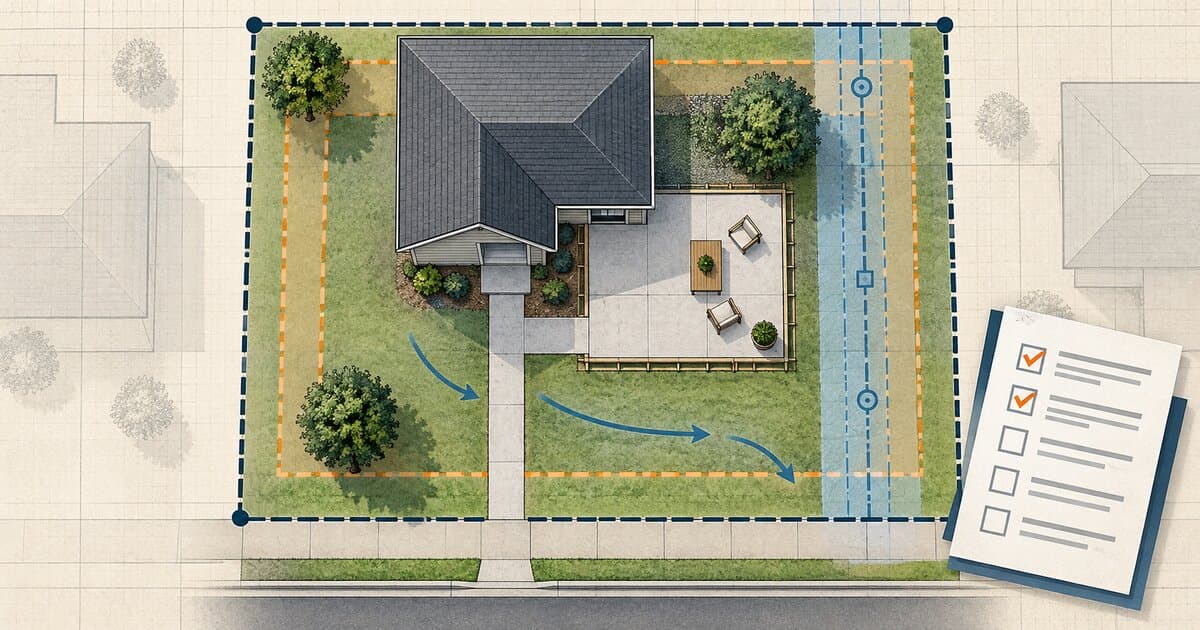
Do You Need a Permit to Pour Concrete? Patios, Slabs & Walkways
Pouring concrete may be permit-exempt or regulated depending on whether it is a patio, slab, walkway, driveway, structural base, or right-of-way work.
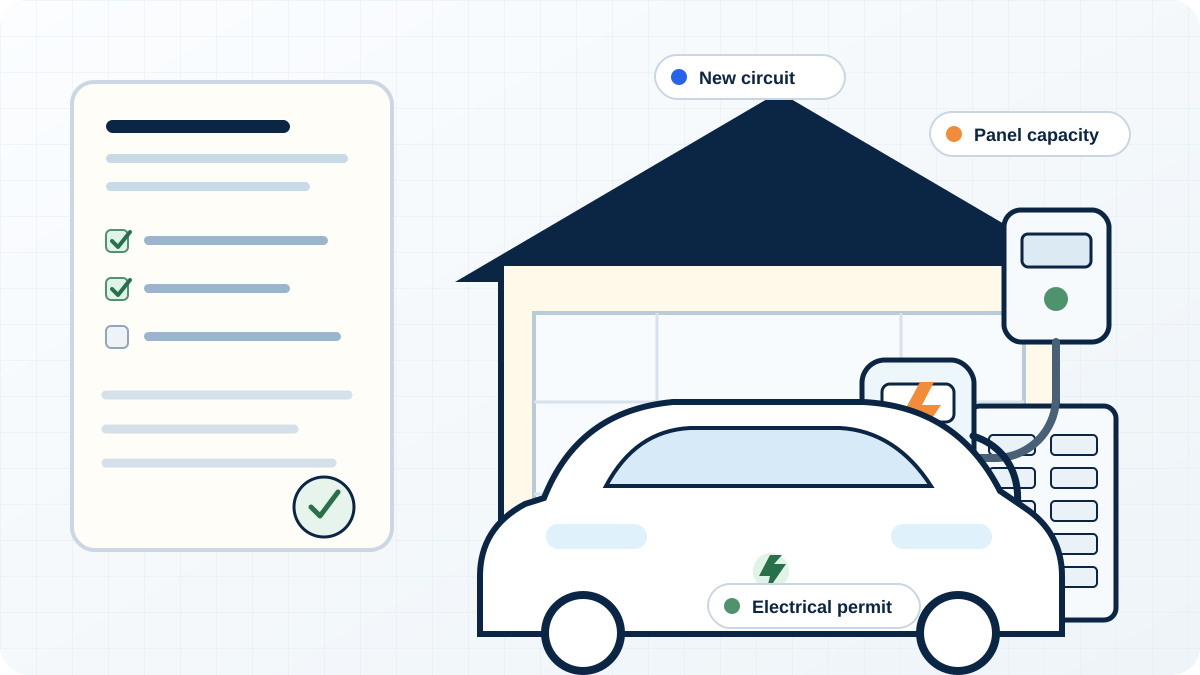
Do You Need a Permit for an EV Charger?
Learn when a home EV charger needs an electrical permit, when panel or service upgrades enter the project, and how inspection and utility coordination work.
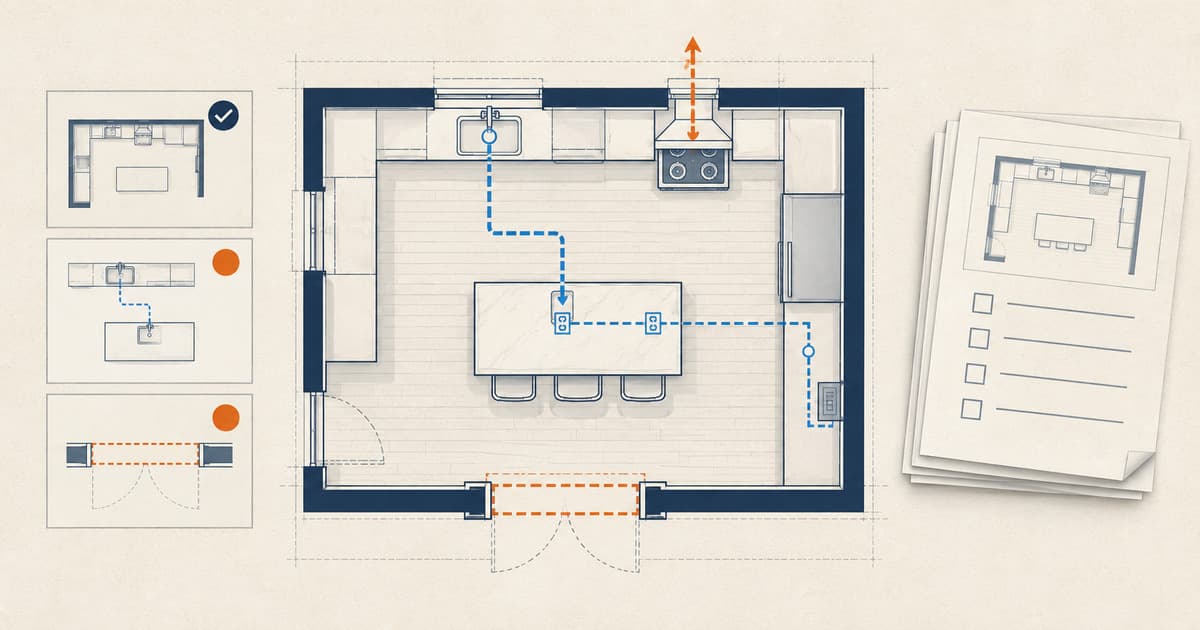
Do You Need a Permit for a Kitchen Remodel?
Learn when cabinets, sinks, islands, appliances, walls, wiring, plumbing, gas, or ventilation can change kitchen-remodel permit and inspection needs.