
When Do You Need a Construction Permit? A Guide for Homeowners and Contractors
Understanding when a construction permit is required is crucial for any building or renovation project. This guide clarifies common scenarios and helps you navigate the process with confidence.

Whether you're a homeowner planning a renovation or a contractor managing a construction project, understanding when a construction permit is required is essential to avoid legal issues and ensure project compliance. In this article, we'll break down the scenarios where a permit is necessary, the types of projects that typically require one, and how to obtain it efficiently.
Scenarios Where a Construction Permit is Required
Construction permits are typically mandated by local government authorities to ensure that all building activities meet safety, zoning, and environmental standards. Here are common situations where you must obtain a permit:
1. Structural Modifications
If you're altering the structure of a building, such as removing load-bearing walls, adding extensions, or changing the roofline, a permit is required. These changes affect the building's integrity and must be reviewed for safety compliance.
2. Electrical, Plumbing, or HVAC Work
Any significant changes to electrical wiring, plumbing systems, or heating, ventilation, and air conditioning (HVAC) require a permit. These systems are regulated to ensure they meet safety codes and prevent hazards.
3. New Construction Projects
Building a new home, garage, shed, or any other structure on your property will require a construction permit. This includes site preparation, foundation work, and final inspections.
4. Renovations and Remodeling
Renovations that involve major changes, such as kitchen or bathroom remodels, adding rooms, or finishing basements, often require permits. The complexity of the work determines whether a permit is necessary.
5. Decks, Patios, and Driveways
Depending on the size and height, outdoor structures like decks, patios, and driveways may require a permit. Local zoning laws often dictate the specifics for these projects.
6. Swimming Pools and Spas
Installing a swimming pool or spa typically requires a permit due to safety and drainage regulations. These projects must be inspected to ensure compliance with local codes.
Projects That Usually Don't Require a Permit
Some minor projects may not require a permit, but it's important to verify with your local building department. Examples include:
- Installing a new appliance or light fixture
- Minor landscaping or paving
- Building a small, non-structural fence
- Attaching a porch swing or simple awning
How to Determine if You Need a Permit
The best way to determine whether your project requires a permit is to consult your local building department. You can also use tools like GovCodex's how to get a building permit guide to understand the process. Additionally, checking local zoning laws and building codes can help you avoid surprises during or after your project.
How Long Does It Take to Get a Construction Permit?
The time it takes to obtain a permit varies depending on the project's scope and local processing times. Generally, simple projects can be approved within a few days, while complex ones may take several weeks. For more details, check out our how long does it take to get a construction permit guide.
Consequences of Working Without a Permit
Failing to obtain a required permit can result in fines, project stoppages, or even the need to dismantle completed work. In some cases, it can also affect your home's resale value if the work isn't up to code. Always ensure compliance to avoid these issues.
How to Apply for a Construction Permit
To apply for a construction permit, you typically need to:
- Submit detailed plans and specifications of your project.
- Pay the required fee.
- Schedule an inspection once the work is complete.
For step-by-step guidance, visit our how to get a building permit page or explore our solutions for streamlined permit management.
Conclusion
Understanding when a construction permit is required is crucial for any building or renovation project. By staying informed and following the proper procedures, you can ensure your project is legal, safe, and up to code. For more information or assistance with permit applications, visit GovCodex.
Further reading
- Building Permit Example: A Practical Guide for Homeowners and Contractors
- Everything You Need to Know About Getting a Building Permit for a Fence
- How to Use Permit Search for Building and Construction Permits
Further reading
- Understanding Building Permit Requirements: A Guide for Homeowners and Contractors
- Do I Need a Building Permit? A Comprehensive Guide for Homeowners and Contractors
- When Do You Need a Construction Permit? Essential Guide for Homeowners and Contractors
Further reading
- How to Obtain a Building Permit for a Garage: A Homeowner's Guide
- Building Permit for Fence: A Homeowner and Contractor Guide
- How to Get a Building Permit: A Step-by-Step Guide for Homeowners and Contractors
Further reading
Related Articles
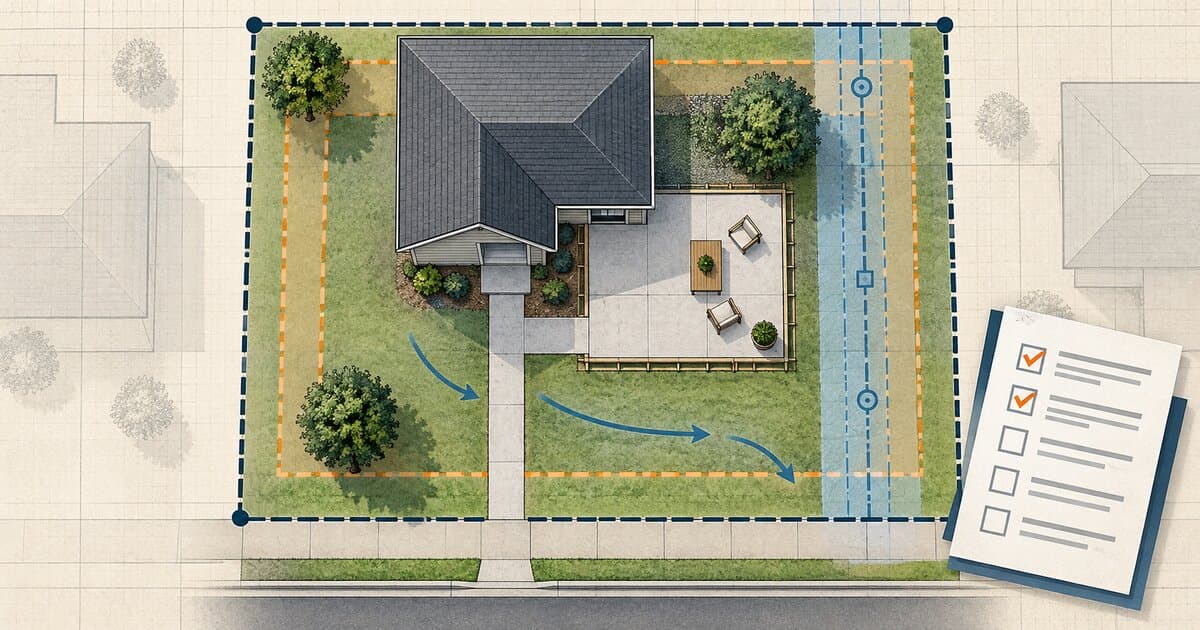
Do You Need a Permit to Pour Concrete? Patios, Slabs & Walkways
Pouring concrete may be permit-exempt or regulated depending on whether it is a patio, slab, walkway, driveway, structural base, or right-of-way work.
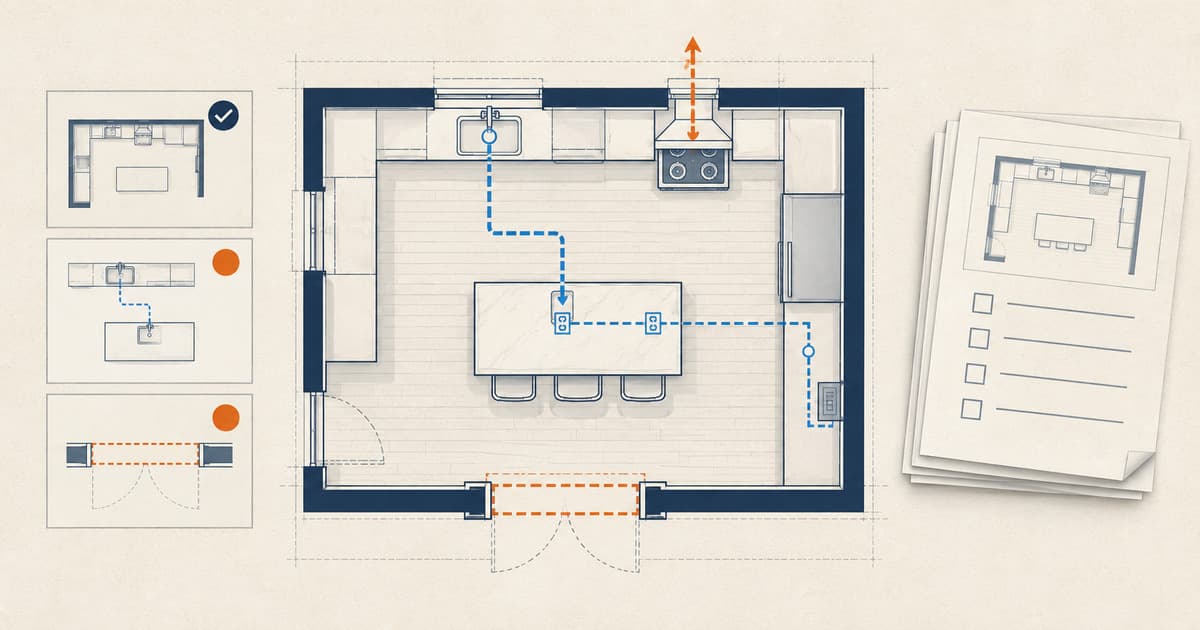
Do You Need a Permit for a Kitchen Remodel?
Learn when cabinets, sinks, islands, appliances, walls, wiring, plumbing, gas, or ventilation can change kitchen-remodel permit and inspection needs.

Do You Need a Permit to Finish a Basement?
Learn when a basement finish needs a permit, what changes for bedrooms and bathrooms, and which inspections come before drywall.