
Accela Alternative: Permit Research and Official Application Workflows
Compare permit research and reviewed PDF preparation with Accela municipal application workflows. Official filing requirements still apply.

Searching for an Accela alternative can mean two different decisions: an agency selecting its permitting system, or an applicant trying to understand a project before using an existing city portal. GovCodex supports the second task where authoritative evidence is available. It does not replace an agency's system of record.
This comparison is published by GovCodex. It is not an independent vendor ranking, procurement recommendation, or promise of faster approval.
Accela's documented scope
Accela's Building product describes connected application intake, departmental plan review, inspections, permit issuance, and applicant status information. Its current page also describes guidance at intake and AI-assisted review, so applicant guidance should not be treated as exclusive to GovCodex. These are vendor descriptions, not proof of the configuration in a particular city. See Accela Building.
Research before an official application
GovCodex Permit Check uses the project and property to investigate the authority, applicable permit path, and available evidence. The result can distinguish sourced findings from catalog guidance and facts that still need confirmation. An unresolved parcel or jurisdiction should remain visible rather than being replaced with a mailing-city assumption.
The result can continue into a saved project. Where GovCodex has reviewed an official form for the exact authority and project, it can prepare an unsigned PDF draft. Coverage of a permit determination, a document checklist, an official form, and submission readiness are separate capabilities.
What the applicant sees in GovCodex
These fictional-project screens illustrate research and planning, not an Accela integration or a determination for a real address.
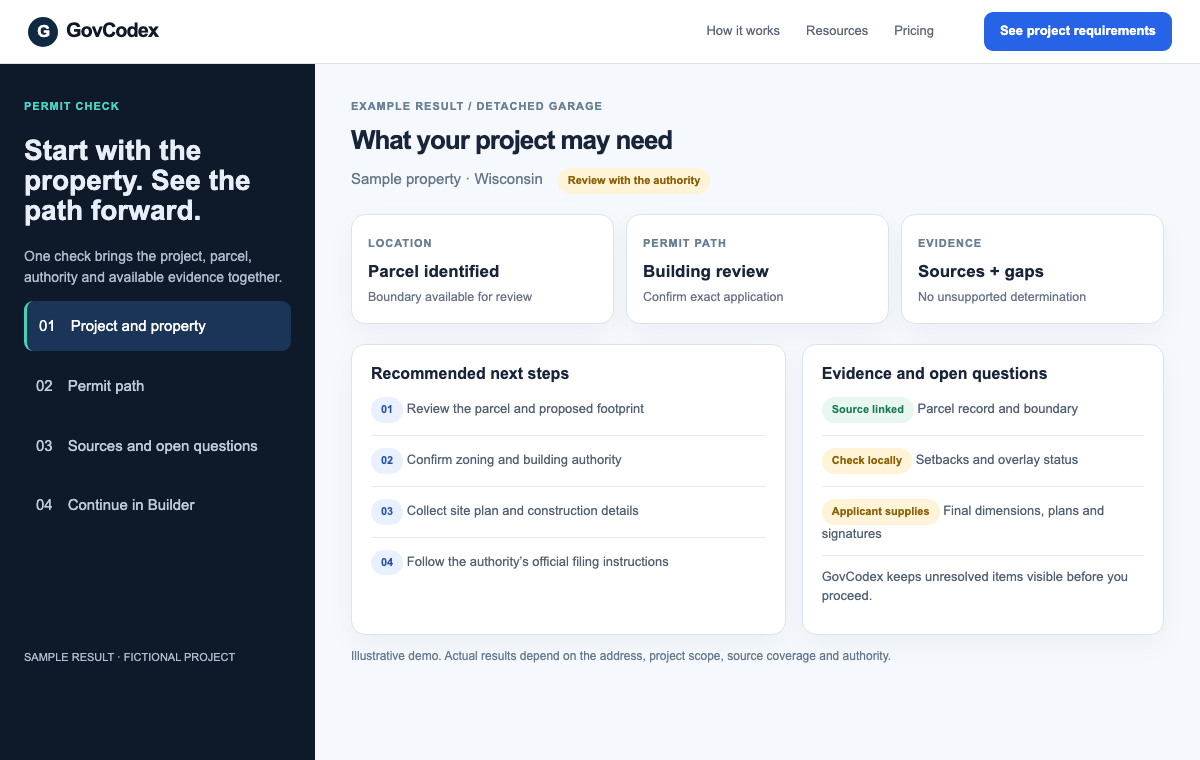
Permit Check makes the available evidence and unresolved questions visible before the official application.
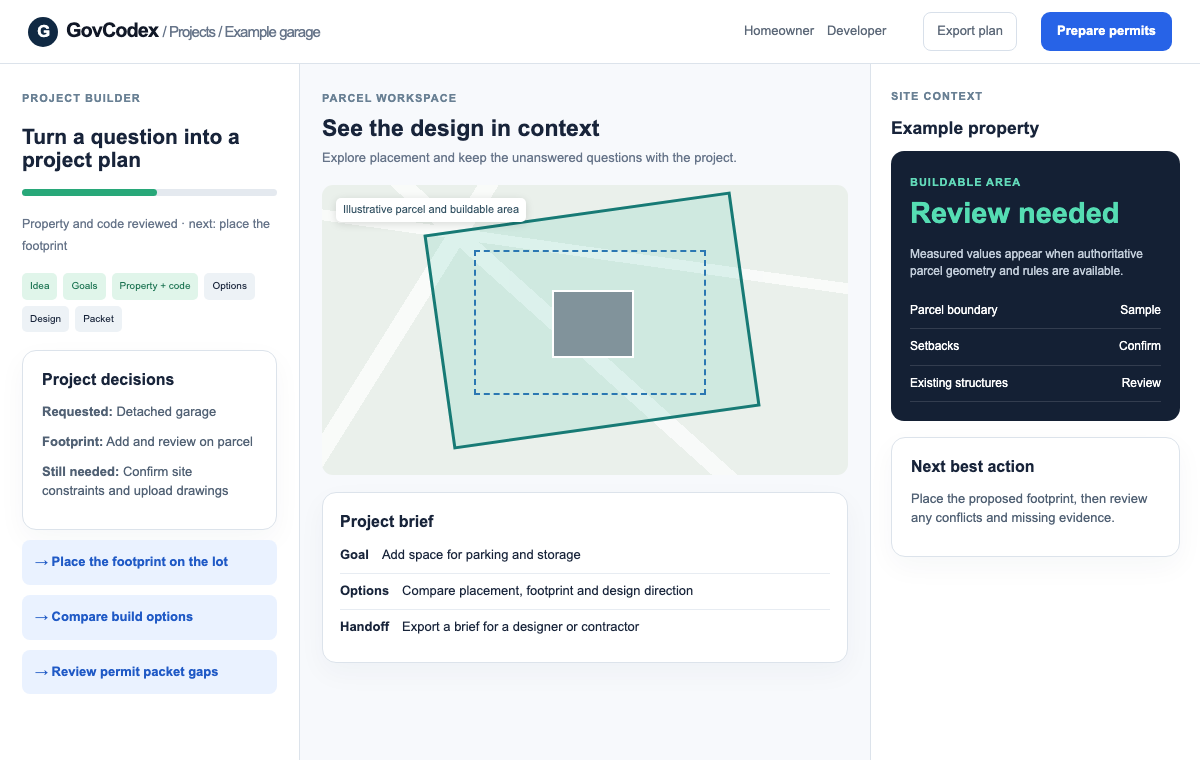
Builder keeps the proposed design and site questions with the saved project.
| Decision | Evidence to check |
|---|---|
| Which office controls my property? | Parcel and authority evidence, including incorporated versus unincorporated location |
| Which application should I choose? | The actual project scope and the authority's current instructions |
| Can GovCodex prepare it? | An explicitly offered reviewed form for the matching project and municipality |
| Where do I upload or check official status? | The portal linked by the authority, using the correct account and record |
| Should an agency replace its system? | Its procurement, migration, security, accessibility, and operational requirements |
A safe handoff to the authority
Keep the cited sources and unresolved questions with the project. Review each official draft and its supporting-document checklist before using the authority's intake channel. GovCodex does not create applicant attestations, signatures, payments, or municipal approvals.
No Accela portal field or upload contract is verified by this comparison. A draft generated for one municipality cannot be assumed suitable for another, even if both use the same portal vendor.
Frequently asked questions
Can GovCodex replace an Accela permit record?
No. The issuing authority's official application, review, inspection, and approval record remains authoritative. GovCodex can help organize supported research and preparation beforehand.
Does GovCodex know every city's Accela form?
No. Reviewed preparation is limited to specific authority and project combinations. A city's use of Accela does not establish a mapped form or portal workflow.
Which system should I use to check my application status?
Follow the issuing authority's current status instructions and official record. A GovCodex project or prepared draft does not prove municipal receipt, review, or approval.
Check your project
Check this project for your property
Reviewed September 16, 2026. Vendor descriptions and each municipality's live configuration are different evidence.
Related Articles
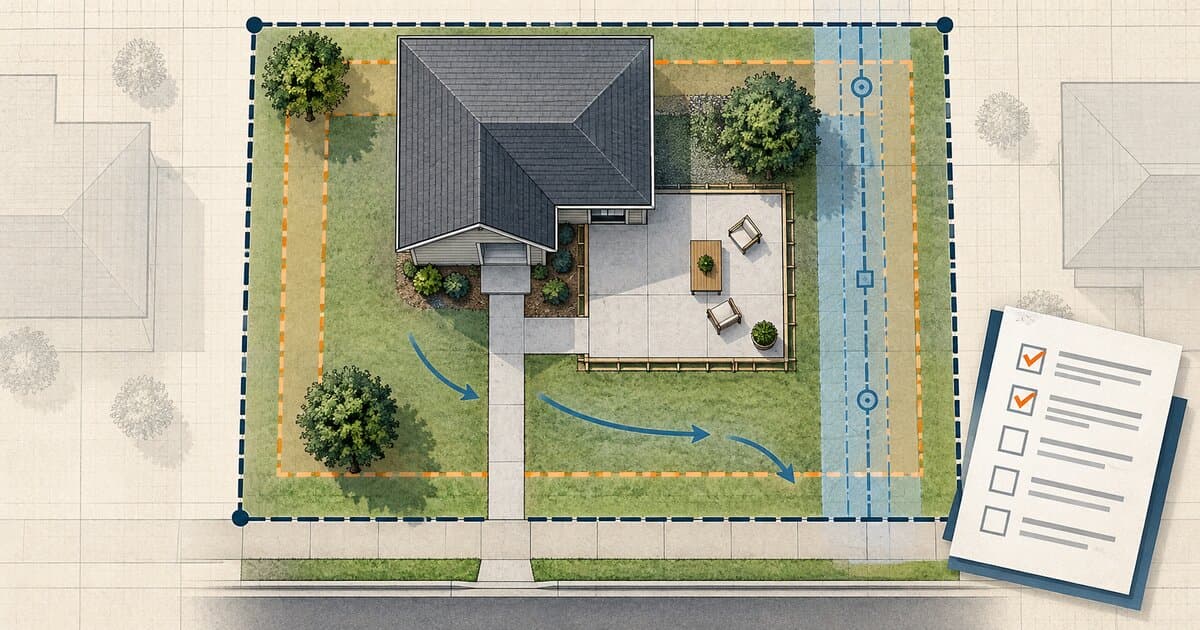
Do You Need a Permit to Pour Concrete? Patios, Slabs & Walkways
Pouring concrete may be permit-exempt or regulated depending on whether it is a patio, slab, walkway, driveway, structural base, or right-of-way work.
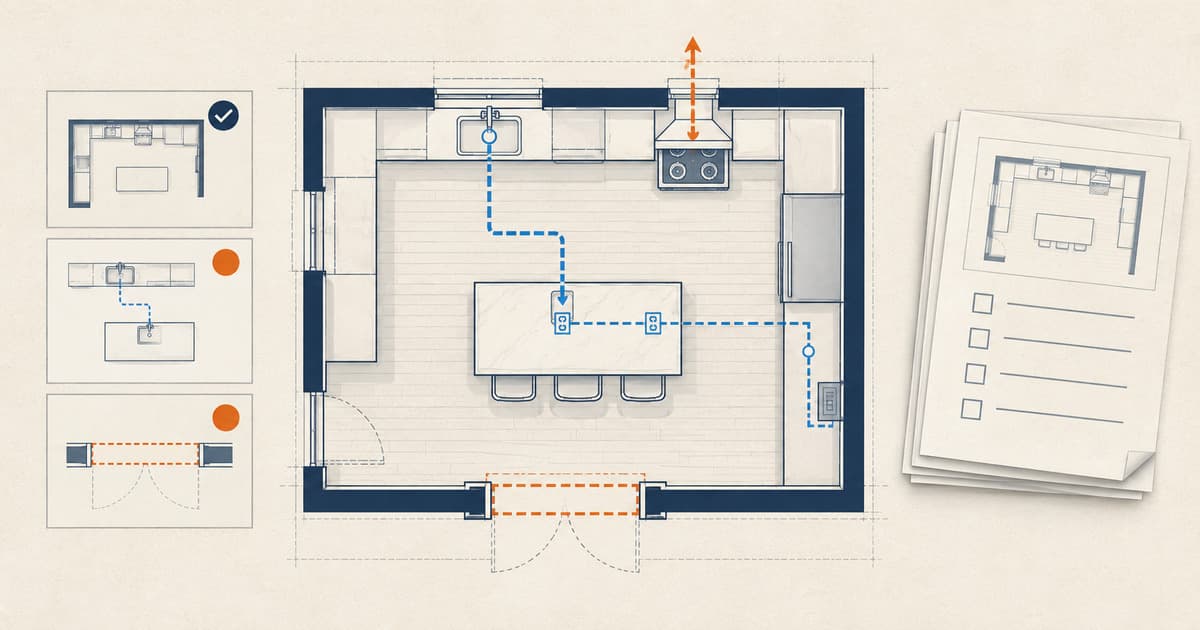
Do You Need a Permit for a Kitchen Remodel?
Learn when cabinets, sinks, islands, appliances, walls, wiring, plumbing, gas, or ventilation can change kitchen-remodel permit and inspection needs.
Do You Need a Permit to Finish a Basement?
Learn when a basement finish needs a permit, what changes for bedrooms and bathrooms, and which inspections come before drywall.