
Do You Need a Permit to Build, Remodel, or Renovate? A Complete Guide for Homeowners and Contractors
Understanding when you need a permit for construction projects is essential for compliance and safety. This guide clarifies common scenarios and helps you navigate the process with GovCodex.
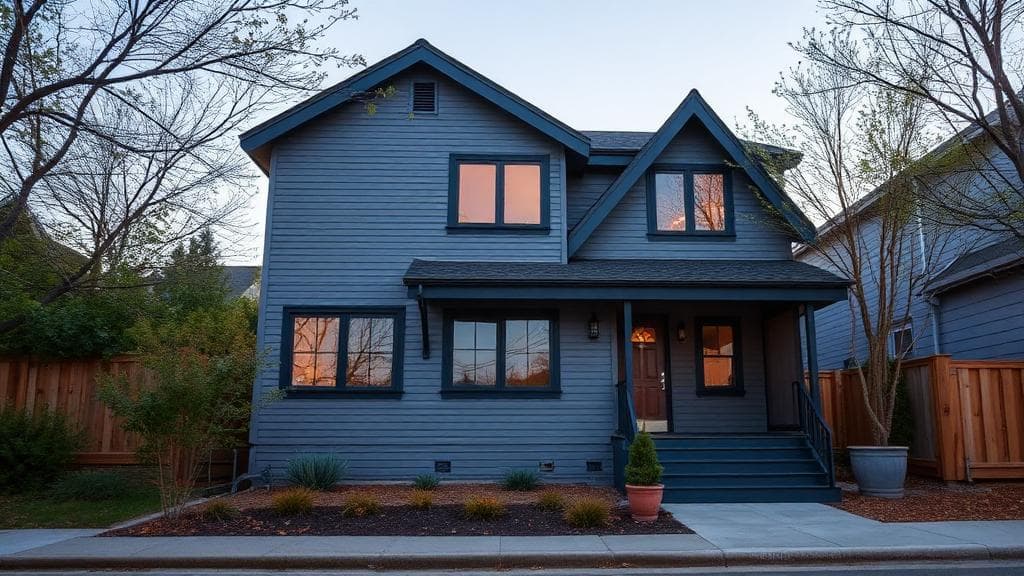
Whether you're a homeowner planning a kitchen upgrade or a contractor overseeing a commercial build, knowing when you need a permit can save you time, money, and legal trouble. Municipal codes vary, but many projects require approval before breaking ground. This guide will walk you through the essentials of building and construction permits and how GovCodex can streamline the process.
When Do You Need a Permit to Build or Renovate?
Permits are typically required for any structural changes, additions, or electrical, plumbing, or HVAC work. Common situations where a permit is mandatory include:
- Building a new structure (home, shed, garage)
- Adding rooms or extensions
- Electrical or plumbing system upgrades
- Roof replacement or modification
- Window or door installation
For specific details, visit our permits page to learn about local requirements and types of permits.
Key Permits Homeowners and Contractors Should Know
Here are some of the most common permits involved in construction projects:
1. Building Permit
Required for any new construction or major renovations that affect the structure of a building. This includes additions, decks, and basement finishing.
2. Electrical Permit
Mandatory for any electrical work, such as rewiring, adding circuits, or installing new panels.
3. Plumbing Permit
Required for any plumbing changes, such as bathroom additions, sewer line installation, or pipe replacements.
4. Mechanical Permit
Needed for HVAC system installation, replacement, or modification.
5. Zoning Permit
Ensures your project complies with local zoning laws, especially for land use or lot division.
6. Demolition Permit
Required if you plan to tear down a structure or significantly alter it.
For a full list of permits and their requirements, check out our permit types guide.
How to Get a Building Permit: A Step-by-Step Overview
Obtaining a permit involves several steps:
- Research Local Codes: Different municipalities have unique requirements. Use GovCodex's permits section to understand what you need.
- Prepare Plans: Detailed blueprints, site plans, and specifications are usually required.
- Submit Application: Apply through your local building department or via a permit platform like GovCodex.
- Inspections: Once approved, inspections are required at various stages to ensure compliance.
For a more detailed walkthrough, visit our how to get a building permit guide.
Common Projects That Require a Permit
Here are some common home improvement and construction projects that typically require a permit:
- Installing new electrical wiring
- Building a deck or patio
- Adding a bathroom or kitchen
- Roof repairs over a certain cost or scope
- Foundation or structural changes
If you're unsure whether your project needs a permit, consult your local code enforcement office or use GovCodex's solutions to streamline the process.
Consequences of Working Without a Permit
Skipping the permitting process can lead to serious issues:
- Fines: Many jurisdictions impose heavy fines for unpermitted work.
- Project Delays: If discovered during a sale, you may be required to halt or redo work.
- Insurance Issues: Unpermitted work may not be covered by insurance policies.
- Loss of Equity: If the work is deemed unsafe or non-compliant, you may lose value in your property.
Always ensure your project is permitted to protect your investment and comply with local regulations.
How Long Does It Take to Get a Building Permit?
The time required to obtain a permit varies by location and project complexity. Simple projects may be approved within a week, while complex builds can take several weeks. GovCodex can help you track your application and expedite the process.
For more information on timelines and how to get a builders permit quickly, visit our builder resources.
Why Use GovCodex for Your Permits?
Managing permits can be time-consuming and confusing. GovCodex offers:
- Quick Access to Local Requirements: Easily find what permits you need for your project.
- Streamlined Application Process: Apply online and track progress in real-time.
- Compliance Assurance: Our platform ensures your project meets local codes and regulations.
Visit our solutions page to learn more about how GovCodex can simplify your permitting experience.
Final Thoughts
Whether you're a homeowner or a contractor, understanding when you need a permit is crucial for a smooth project. From electrical upgrades to major renovations, permits ensure safety and compliance. With GovCodex, you can navigate the permitting process efficiently and avoid costly mistakes. Always check local codes and consider using a permit platform to save time and ensure compliance.
Further reading
- How to Apply for a Construction Permit: A Step-by-Step Guide for Homeowners and Contractors
- Everything You Need to Know About Building and Permits
- Navigating the Process of Seeking Construction Permits Approvals
Further reading
- The Ultimate Guide to Permit Construction for Homeowners and Contractors
- Demystifying the Building Permit Process for Homeowners and Contractors
- Understanding Building Permits: A Guide for Homeowners and Contractors
Further reading
Related Articles
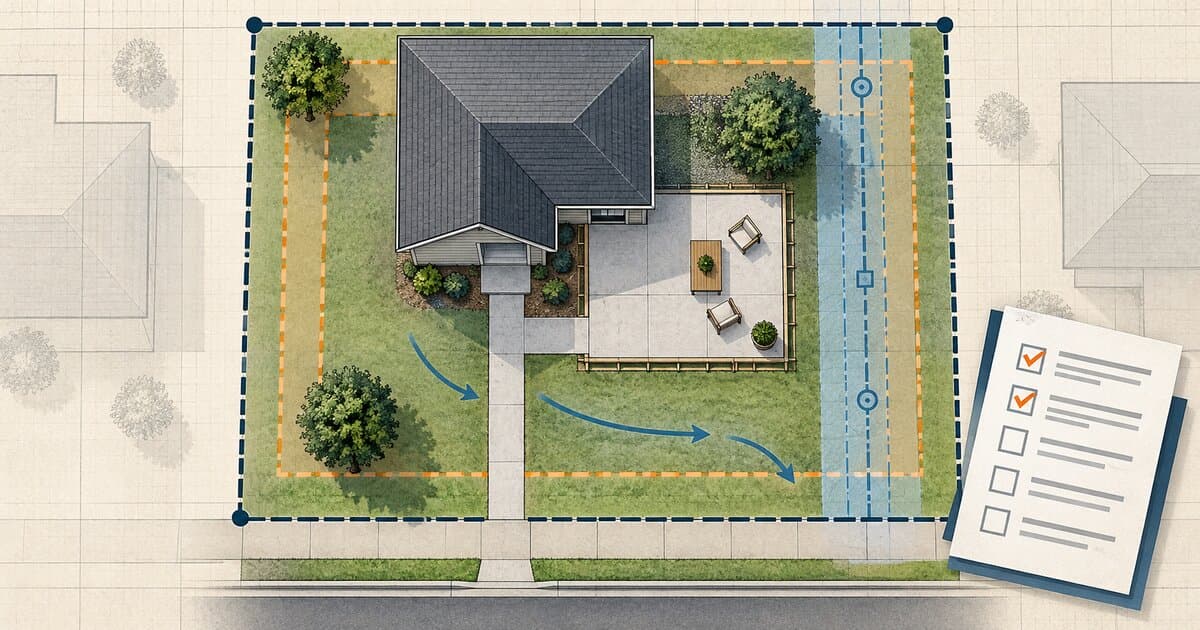
Do You Need a Permit to Pour Concrete? Patios, Slabs & Walkways
Pouring concrete may be permit-exempt or regulated depending on whether it is a patio, slab, walkway, driveway, structural base, or right-of-way work.
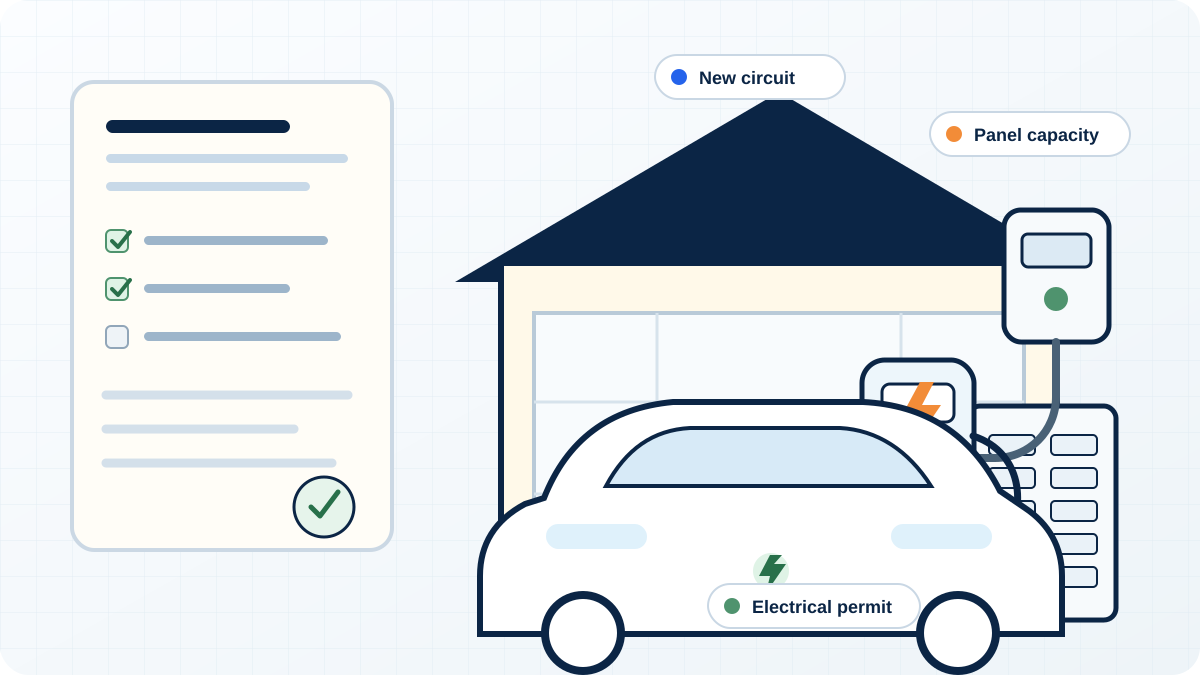
Do You Need a Permit for an EV Charger?
Learn when a home EV charger needs an electrical permit, when panel or service upgrades enter the project, and how inspection and utility coordination work.
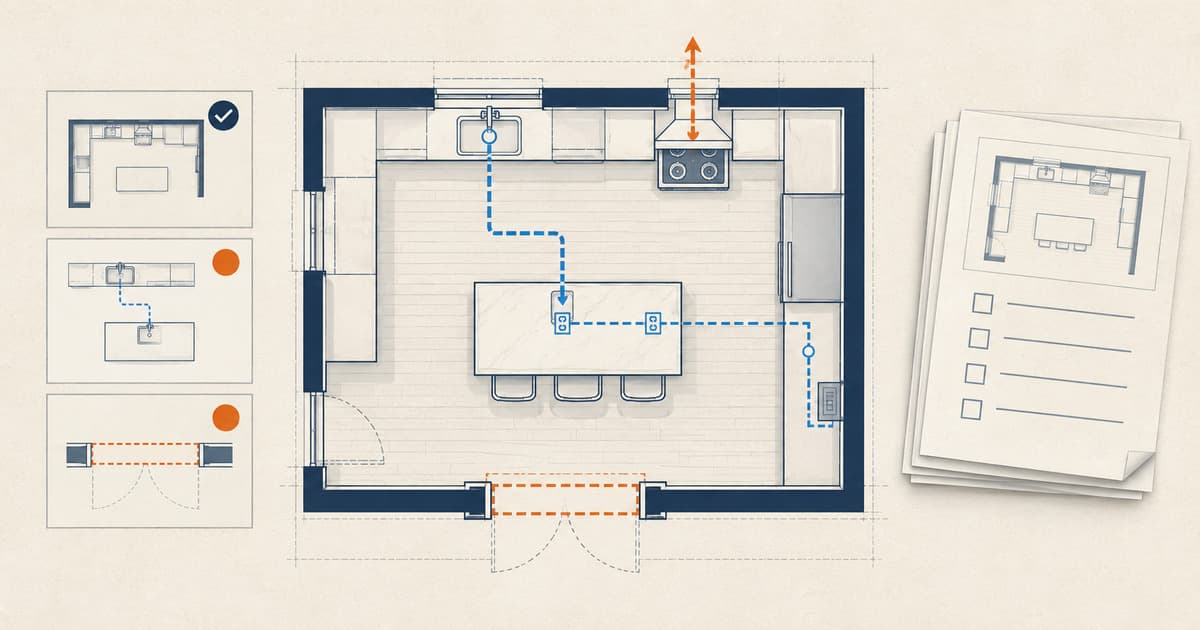
Do You Need a Permit for a Kitchen Remodel?
Learn when cabinets, sinks, islands, appliances, walls, wiring, plumbing, gas, or ventilation can change kitchen-remodel permit and inspection needs.