
Understanding Commercial Permits for Homeowners and Contractors
A comprehensive guide to navigating commercial permits for building and construction projects.
Commercial permits are a crucial part of any building or construction project, whether you're a homeowner or a contractor. These permits ensure that all work meets local building codes and safety standards. In this article, we'll explore what commercial permits are, how to obtain them, and why they're essential for your project.
What is a Commercial Permit?
A commercial permit is a legal authorization from local government agencies that allows the construction, renovation, or alteration of commercial properties. These permits are required for a wide range of activities, including:
- New commercial building construction
- Renovations and remodeling of existing buildings
- Electrical, plumbing, and HVAC installations
- Demolition of structures
Commercial permits are different from residential permits in that they often involve more stringent requirements and larger-scale projects. For more details on the differences between commercial and residential permits, visit our solutions page.
Why Commercial Permits are Essential
Obtaining a commercial permit is not just a formality; it's a legal requirement. Here are some key reasons why these permits are essential:
- Compliance with Local Regulations: Permits ensure your project complies with local building codes, zoning laws, and safety standards.
- Safety Assurance: Permits help ensure that all work is done safely, reducing the risk of accidents and structural failures.
- Future Property Value: Proper permits can increase the value of your property and make it easier to sell or lease in the future.
- Avoiding Fines and Penalties: Failure to obtain the necessary permits can result in hefty fines, project delays, or even forced demolition of unpermitted work.
How to Get a Commercial Permit
The process of obtaining a commercial permit can vary depending on your location and the scope of your project. However, the general steps are as follows:
- Determine the Type of Permit Needed: Different projects require different permits. You'll need to identify which permits apply to your specific project.
- Prepare and Submit Application: This typically involves submitting detailed plans, specifications, and other required documents to the local building department.
- Pay the Required Fees: Permit fees vary depending on the project size and type. These fees cover the cost of reviewing and approving the application.
- Wait for Approval: Once your application is submitted, it will be reviewed by the relevant authorities. The time it takes to get a construction permit can vary, but it's important to factor this into your project timeline.
- Receive and Maintain the Permit: After approval, you'll receive your permit. You must keep it on-site and make it available for inspection at all times.
For a detailed guide on how to get a building permit, visit our permits page.
Common Types of Commercial Permits
There are several types of commercial permits, each serving a specific purpose. Some of the most common include:
- Building Permit: Required for the construction, alteration, or repair of commercial buildings.
- Electrical Permit: Needed for any electrical work, including wiring and installations.
- Plumbing Permit: Required for plumbing installations or modifications.
- HVAC Permit: Needed for heating, ventilation, and air conditioning systems.
- Demolition Permit: Required for the demolition of any structure.
Each of these permits has its own set of requirements and application processes. For more information on how to get a copy of city permit or other related topics, visit our builder resources.
Consequences of Not Obtaining Commercial Permits
Failing to obtain the necessary commercial permits can lead to serious consequences, including:
- Legal Penalties: You may be fined or required to pay back fees if you're caught working without a permit.
- Project Delays: If you need to retrofit your project to meet code requirements, it can cause significant delays and additional costs.
- Difficulty in Selling or Leasing: Unpermitted work can make it difficult to sell or lease your property, as buyers and tenants may be hesitant to take on potential legal issues.
- Insurance Issues: If a problem arises with unpermitted work, your insurance may not cover the damages.
How Long Does it Take to Get a Commercial Permit?
The time it takes to get a builders permit can vary depending on the complexity of the project and the workload of the local building department. On average, it can take anywhere from a few days to several weeks to obtain a commercial permit. It's important to plan ahead and allow ample time for the permitting process to avoid delays.
For a detailed breakdown of how long does it take to get a construction permit, check out our permits page.
Conclusion
Commercial permits are a necessary part of any commercial construction or renovation project. They ensure that your work meets safety standards, complies with local regulations, and protects your investment. By understanding the permitting process and following the necessary steps, you can avoid potential issues and ensure a smooth project from start to finish.
For more information on what is a permit or where do you get a building permit, visit our permits page. If you're looking for a streamlined permitting solution, explore our solutions to simplify your next project.
Further reading
- Building Permit Example: A Practical Guide for Homeowners and Contractors
- Everything You Need to Know About Getting a Building Permit for a Fence
- How to Use Permit Search for Building and Construction Permits
Further reading
- Understanding Building Permit Requirements: A Guide for Homeowners and Contractors
- Do I Need a Building Permit? A Comprehensive Guide for Homeowners and Contractors
- When Do You Need a Construction Permit? Essential Guide for Homeowners and Contractors
Further reading
- How to Obtain a Building Permit for a Garage: A Homeowner's Guide
- Building Permit for Fence: A Homeowner and Contractor Guide
- How to Get a Building Permit: A Step-by-Step Guide for Homeowners and Contractors
Further reading
Related Articles
Best Permitting Software for Contractors Managing Local Requirements
A practical ranking of contractor permitting software, comparing GovCodex, PermitFlow, OpenGov, Accela, Cloudpermit, and Clariti for real project workflows.

Aurora, IL Building Permits: Department, Fees & Forms
Find the Aurora office, eTRAKiT permit tools, forms, and fee guidance. Check the property and project before you apply.
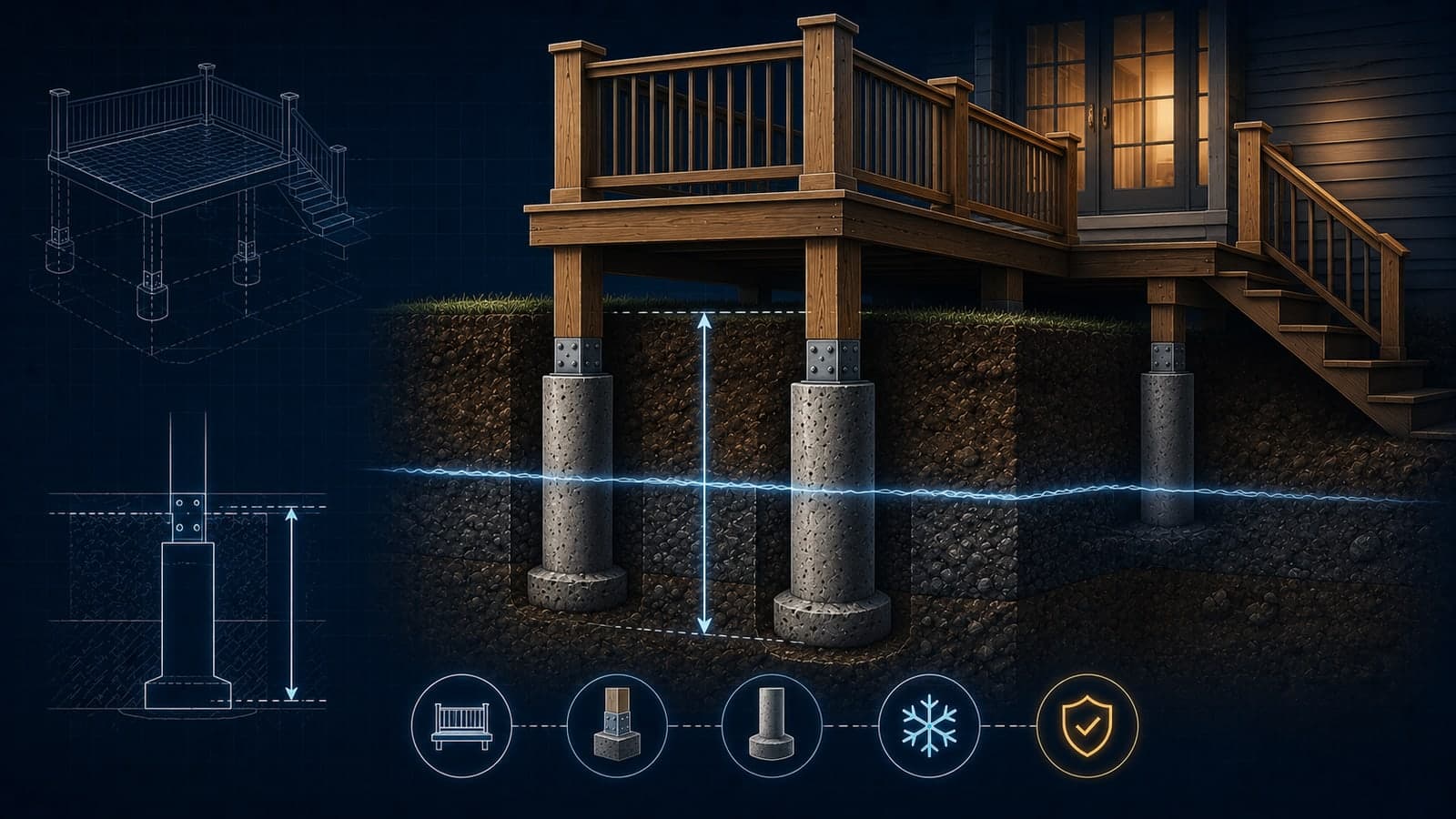
Do I Need a Permit for a Deck in Rochester, MN?
Rochester, MN requires a building permit for any attached deck, and for freestanding decks 30 inches or more above grade, per Community Development's 2020 Minnesota Residential Code and Unified Development Code setback rules.