
Do You Need a Permit for an EV Charger?
Learn when a home EV charger needs an electrical permit, when panel or service upgrades enter the project, and how inspection and utility coordination work.
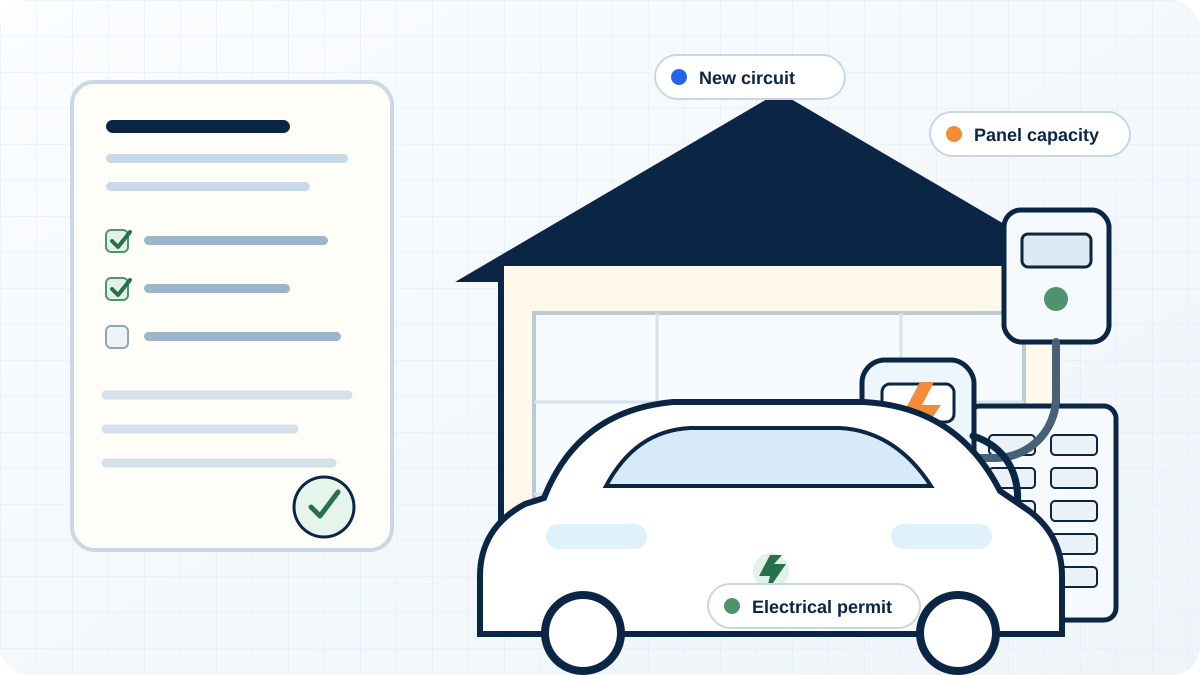
Direct answer
Installing a new Level 2 EV charger commonly requires an electrical permit and inspection because the project usually adds new wiring, a dedicated circuit, hard-wired equipment, or a new 240-volt receptacle.
Using an existing approved receptacle with portable charging equipment may not create new electrical work, but the exact rule depends on the jurisdiction and equipment.
The project can expand when it requires a new breaker, panel replacement, service upgrade, meter work, trenching, detached-garage feeder work, exterior equipment, load management, multifamily approval, or public-right-of-way work.
Requirements vary by jurisdiction, property, charger design, electrical system, and utility.
Key takeaways
- Charger brand does not determine the permit path. Installation scope does.
- Adding a new 240V circuit commonly creates electrical-permit work.
- Hard-wired and receptacle-fed chargers can both require permits.
- A Level 2 charger does not automatically require a panel upgrade.
- Panel space and service capacity are different constraints.
- Load calculations or load-management equipment can change the design.
- A service upgrade can add a separate utility workflow.
- Detached garages can add trenching, conduit, feeder, and grounding scope.
- Multifamily charging can add common-property, accessibility, and authorization requirements.
- Curbside charging can be restricted by right-of-way rules.
- Inspection and utility energization are separate milestones where service work is involved.
EVSE, branch circuit, panel, and utility service
These are four separate layers:
| Layer | What it means |
|---|---|
| EVSE | The charging equipment |
| Branch circuit | Breaker, conductors, raceway, receptacle or hard-wire connection |
| Electrical panel | Distribution equipment for house circuits |
| Utility service | Capacity and equipment supplying the property |
A charger can require a new branch circuit without requiring a larger service.
Level 1 vs. Level 2
Level 1
Level 1 charging generally uses an existing household-voltage receptacle. If no wiring is altered, the project may not create new permit scope.
Level 2
Level 2 charging commonly requires a new higher-voltage circuit, breaker, conductors, receptacle or hard-wired connection, charger mounting, and final inspection.
Hard-wired vs. plug-in
A hard-wired charger is permanently connected to the circuit. A plug-in charger uses a receptacle. A new receptacle and circuit are still regulated electrical work.
Panel and service capacity
A charger can expose several different conditions:
- Existing panel and service support it.
- Service is adequate but panel lacks space.
- A subpanel solves distribution needs.
- Load management limits charging demand.
- Panel replacement is needed.
- Service capacity must increase.
- Utility equipment must be modified.
Do not assume “no empty breaker slots” means the service itself is undersized.
Load calculation
A load calculation can include heating, cooling, water heating, cooking, laundry, hot tubs, existing appliances, and the proposed charger. The correct method comes from the electrical code adopted locally.
Utility coordination
Utility involvement can increase when the project requires larger service capacity, a new meter or meter-main, service relocation, transformer evaluation, new service conductors, or a utility-managed charging program.
A local electrical permit does not itself authorize a utility service increase.
Jurisdiction examples
Portland distinguishes Level 1 charging from Level 2 electrical upgrades and requires electrical permitting for the upgrade. Seattle publishes a dedicated residential EV-charger guide and uses electrical permits plus a separate utility-service process where service changes. Denver includes qualifying EV charger work in its electrical quick-permit program. California has a statewide permit-streamlining framework for EV charging stations. Minnesota requires applicants to determine whether the electrical AHJ is state or local.
These are local examples, not national defaults.
Detached garage and exterior charging
Remote charging can add feeder, trenching, conduit, burial depth, grounding, driveway restoration, and site conditions. Exterior chargers also add weather-rating, mounting, impact-protection, cord-management, and location issues.
Multifamily and HOA conditions
Shared parking can add common electrical service, association approval, trenching across common property, metering, accessibility, and maintenance responsibility. The electrical permit does not resolve private-property rights.
Curbside charging
A private charger in or across public right-of-way can trigger encroachment, accessibility, transportation, utility-location, and local prohibition issues.
Typical permit process
- Confirm the electrical AHJ.
- Confirm the utility.
- Select the charger and location.
- Identify Level 1 or Level 2.
- Identify hard-wired or receptacle-fed installation.
- Determine circuit rating and demand.
- Check panel space.
- Evaluate service capacity.
- Determine panel, subpanel, service, or load-management scope.
- Identify trenching, multifamily, exterior, or right-of-way issues.
- Obtain the permit.
- Complete any required utility process.
- Install the circuit and EVSE.
- Complete inspections.
- Resolve corrections.
- Verify closeout.
Permit checklist
- Confirm electrical AHJ
- Confirm utility
- Choose charger and location
- Identify Level 1 or Level 2
- Identify hard-wired or receptacle-fed
- Record charger and circuit ratings
- Check panel space
- Evaluate service capacity
- Determine load-management need
- Identify panel/subpanel/service work
- Check detached-garage or trenching scope
- Check exterior conditions
- Check multifamily/HOA requirements
- Check public-right-of-way rules if applicable
- Obtain permit
- Complete inspection
- Verify closeout
How GovCodex helps
GovCodex can identify the electrical authority, utility, permit forms, local fees, panel/service questions, detached-garage or curbside conditions, and required inspection steps.
Check EV charger permit requirements for your property.
FAQs
Do I need a permit for a Level 2 EV charger?
Commonly, yes. A Level 2 installation usually adds new regulated electrical work.
Do I need a permit if I plug into an existing outlet?
Maybe not if no electrical work is performed and the existing installation is suitable.
Does an EV charger require a panel upgrade?
Not automatically. Existing panel and service capacity must be evaluated.
Do I need a load calculation?
Sometimes, especially when the charger adds significant demand.
Is a hard-wired charger different from a plug-in charger?
The connection details differ, but both can require permits when new wiring is installed.
Can I install the charger myself?
It depends on local homeowner electrical-work rules.
Does a detached-garage charger need a permit?
Commonly when new wiring, feeders, trenching, conduit, or a subpanel are installed.
Can I install a charger at the curb?
Not automatically. Public-right-of-way rules can restrict or prohibit it.
Does utility approval replace the electrical permit?
No. Utility service approval and electrical permitting are separate.
What if my EV charger was installed without a permit?
Check the permit record and follow the local after-the-fact process if required.
Related GovCodex guides
Sources
Visual guides
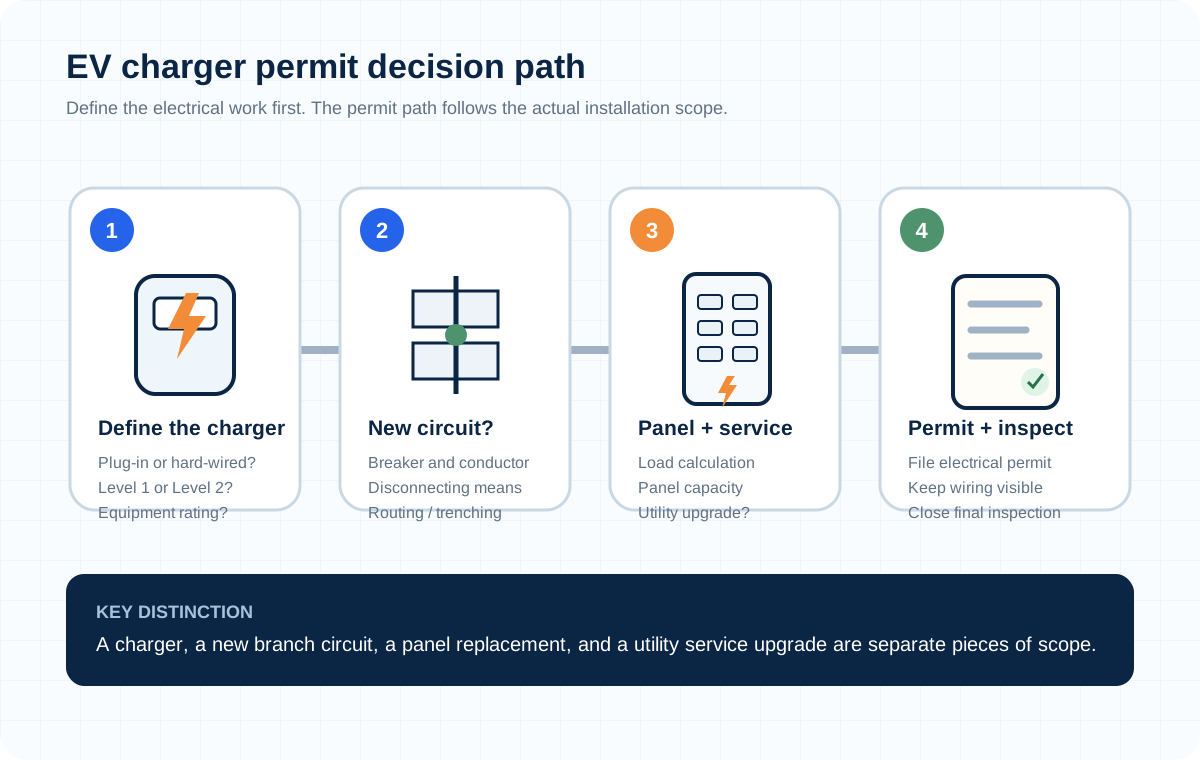
Charging level and installation scope determine which reviews may apply.
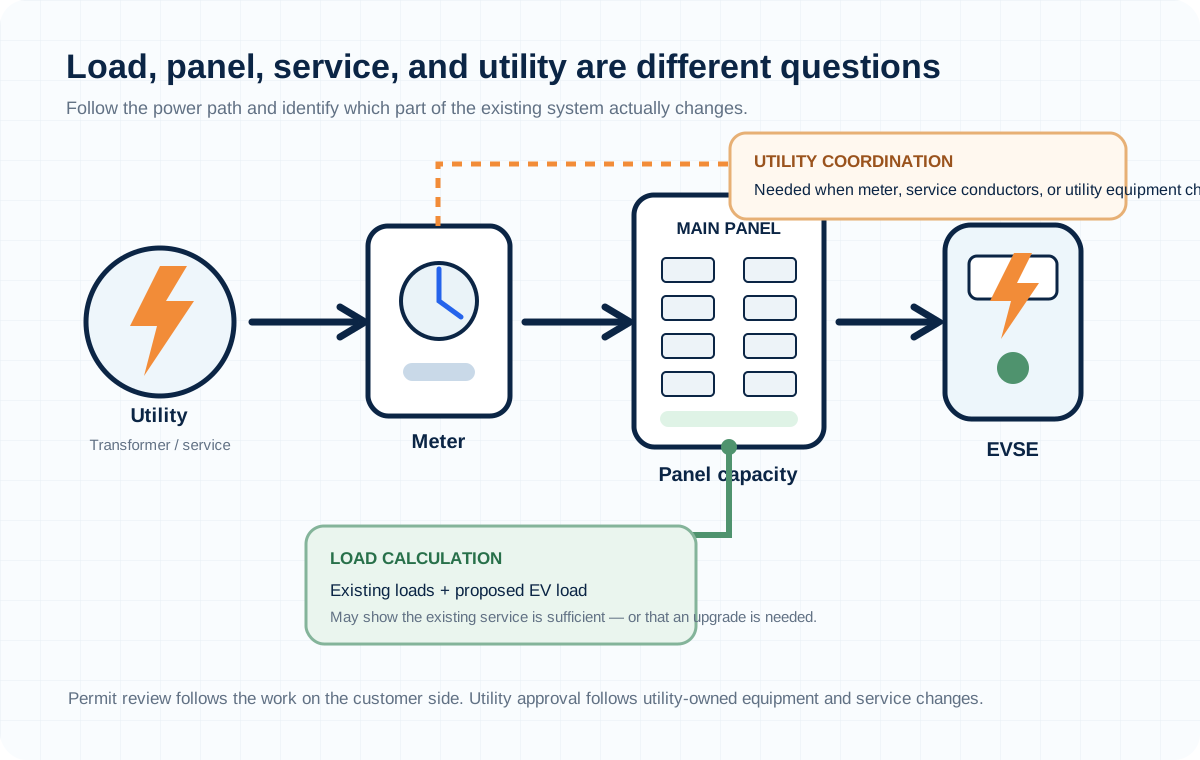
A charger circuit, panel capacity, service upgrade, and utility work are separate questions.
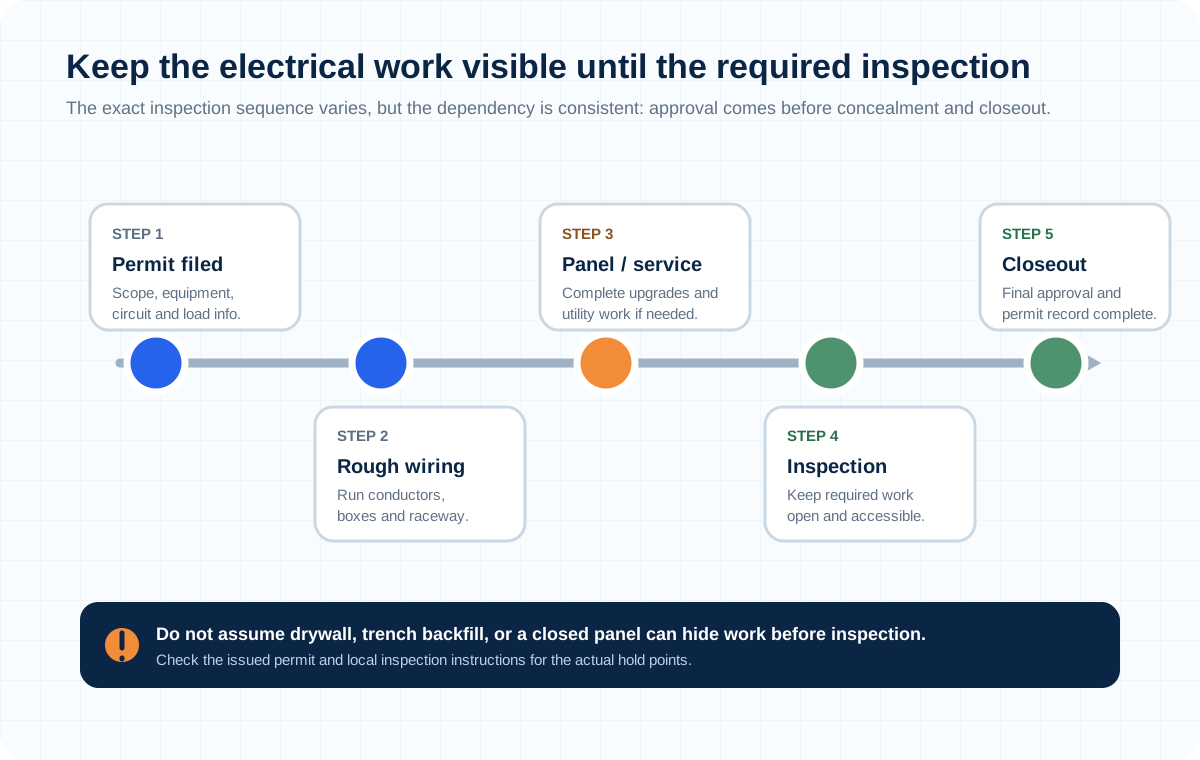
Do not cover new wiring until required electrical inspections are complete.
Last reviewed: August 9, 2026. Requirements vary by jurisdiction and property.
Related Articles
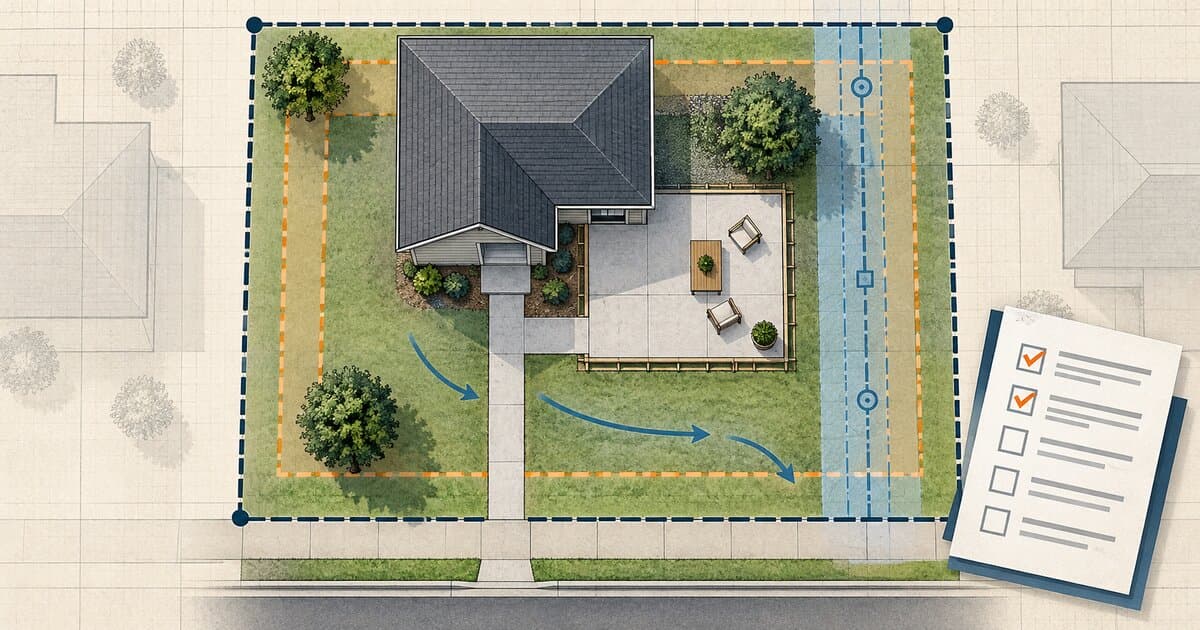
Do You Need a Permit to Pour Concrete? Patios, Slabs & Walkways
Pouring concrete may be permit-exempt or regulated depending on whether it is a patio, slab, walkway, driveway, structural base, or right-of-way work.
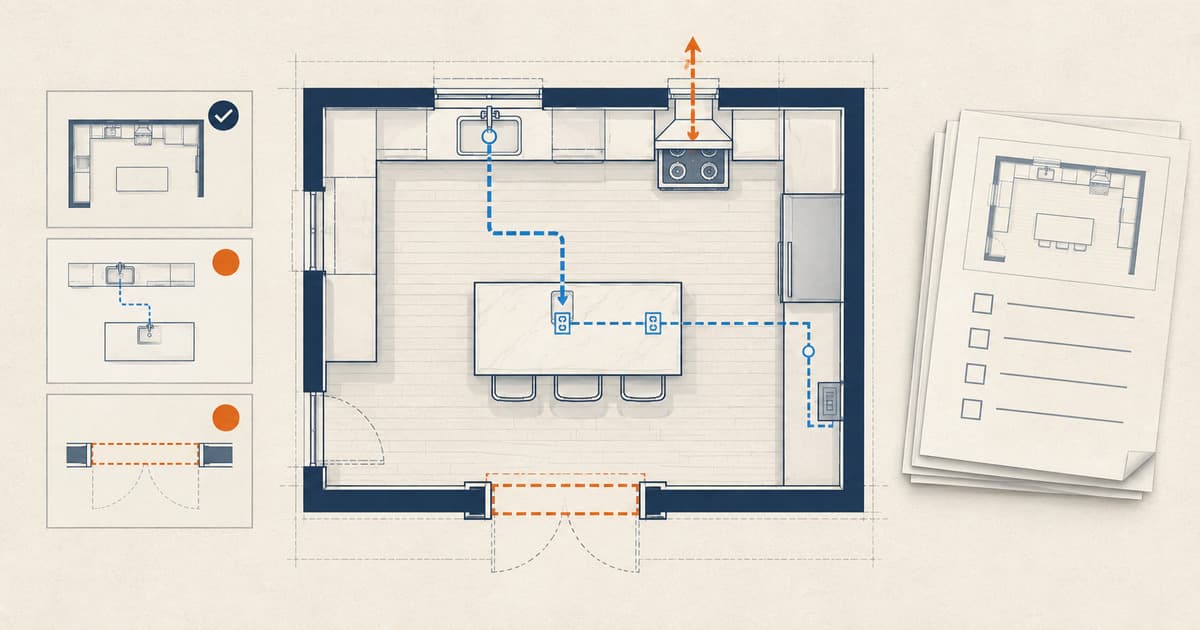
Do You Need a Permit for a Kitchen Remodel?
Learn when cabinets, sinks, islands, appliances, walls, wiring, plumbing, gas, or ventilation can change kitchen-remodel permit and inspection needs.
How to Check Building Permits Before Buying a House
Learn how to find permits, inspections, open records, violations, and occupancy documents before buying a house.