
How Much Does a Building Permit Cost?
Building permit costs vary by jurisdiction and project. Learn how base fees, plan review, trade permits, revisions, and inspections affect the total.

Direct answer: there is no reliable national building-permit price. The amount is set by the authority that issues the permit and can be based on project valuation, square footage, occupancy and construction type, flat fees, staff time, or a combination. A useful estimate starts with the current local fee schedule and then adds plan review, trade permits, state surcharges, revisions, reinspections, and any separate site or utility charges the project triggers.
Two similar projects can receive very different permit invoices because the fee model changes at the jurisdiction line.
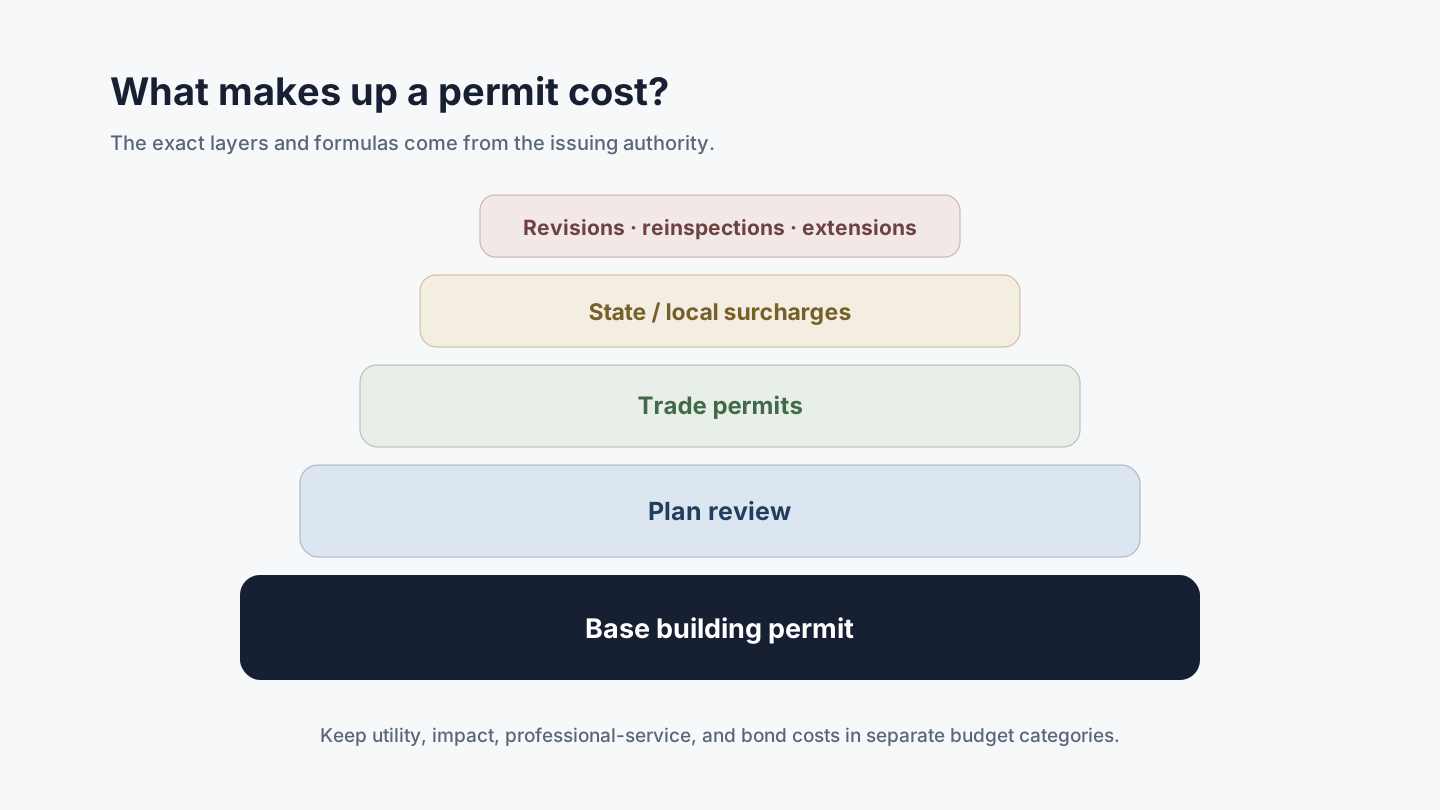
Budget the permit as a stack of charges, not as one universal price.
The fee models you will actually encounter
| Fee model | How it works | First thing to verify |
|---|---|---|
| Flat or minimum fee | Fixed amount for a permit type, often with a minimum floor | Current schedule and effective date |
| Valuation table | Base charge plus an incremental rate as project value rises | How the authority defines valuation |
| Square-foot or unit rate | Area, fixtures, units, or equipment multiplied by a published rate | Which areas or units count |
| Occupancy/construction factor | Building use and construction type generate a rate, then scope or area is applied | Factor table and minimum fee |
| Hourly or actual cost | Staff review or inspection time is billed at a published rate | Which review stages are hourly |
| Percentage add-on | A charge is calculated as a percentage of another fee | The base fee the percentage applies to |
| State surcharge | State law adds a charge to local permit fees | Current statute or rule |
Portland, Oregon's current Building and Other Permits Fee Schedule, effective July 10, 2026, shows why one-line estimates fail. Its schedule combines valuation tiers with plan-review charges, hourly revision work, reinspections, and other lifecycle fees. Portland also states that a 12% Oregon surcharge applies to building, plumbing, electrical, and mechanical permits.
A five-step permit-cost estimate
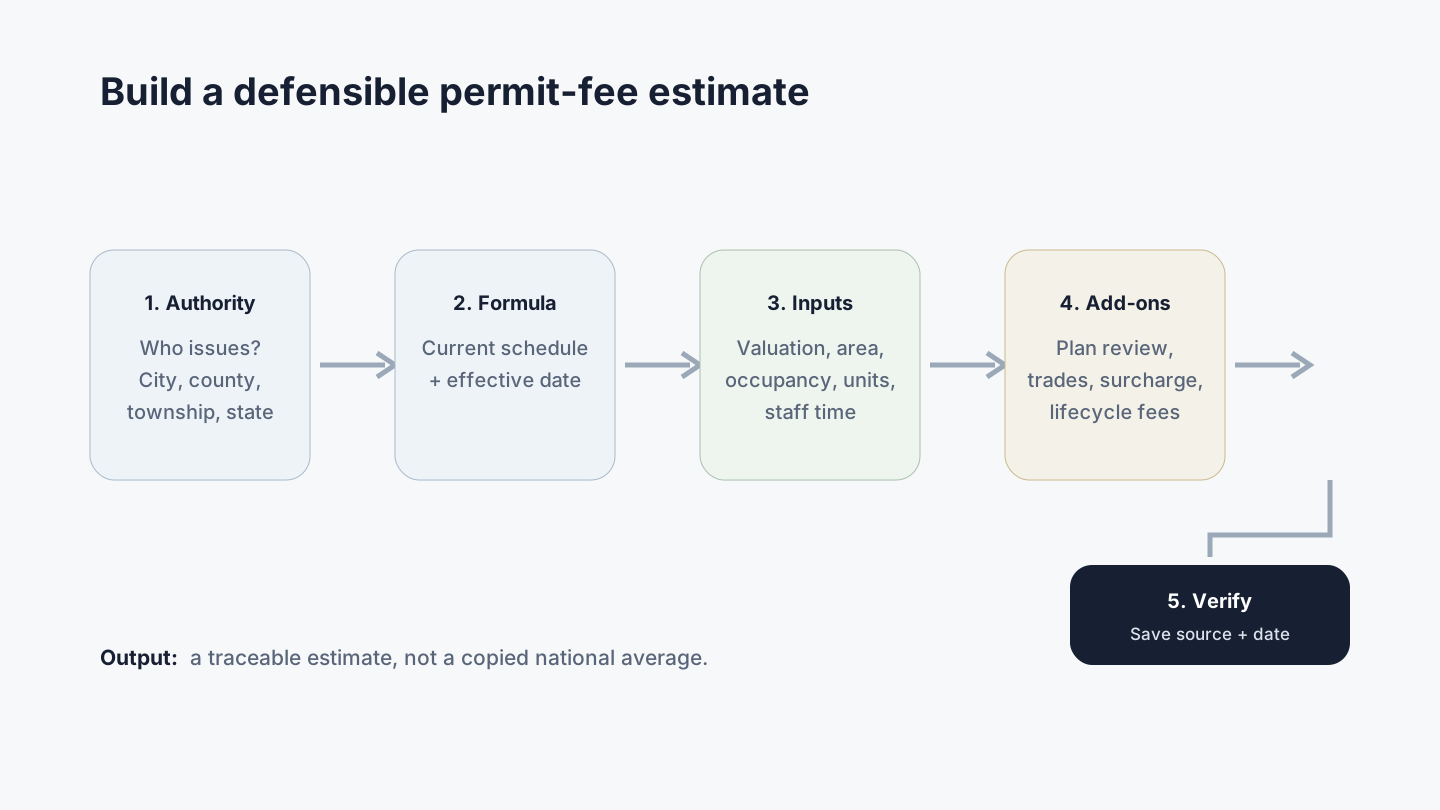
- Confirm the issuing authority. City, county, township, state, or more than one agency.
- Find the operative fee schedule. Use the current effective date, not an old PDF saved in search results.
- Identify the formula and its inputs. Valuation, area, occupancy, construction type, fixtures, or staff time.
- Add every permit family. Building, electrical, plumbing, mechanical, fire, grading, right-of-way, and other project-specific reviews.
- Separate permit fees from other project charges. Utility connection charges, system-development charges, professional services, and bonds may be material, but they are not the building-permit fee.
That separation matters for budgeting and for generative search systems. A table that calls every development charge a "permit cost" is easy to quote and easy to get wrong.
What "valuation" means is jurisdiction-specific
Applicants often assume valuation means the contractor's bid. Some authorities define it differently.
Portland's 2026 schedule says its permit-valuation methodology is governed by Oregon rules. For new construction and additions, the calculation uses building-valuation data tied to occupancy and construction type, multiplied by square footage, and compares that result with the applicant's stated value. Alterations use a fair-market-value concept that includes permanent work and contractor profit.
Chicago uses a different architecture. Its building-permit fee tools and tables use construction type, occupancy type, area, and project scope to calculate the permit amount. Madison, Wisconsin publishes its own fee methods for new construction and alterations. None of those formulas should be used as a proxy for another city.
Rule for estimating: find the sentence that defines the input before multiplying by the rate.
The permit invoice is usually more than the base building fee
Plan review
Plan review may be included, charged separately, calculated as a percentage, or billed by time. Portland's current schedule uses a separate plan-review component for many permits. Seattle publishes its own fee-estimator rules and fee changes.
Trade permits
Electrical, plumbing, mechanical, fire, gas, elevator, and other systems may require separate permits. Read zoning permit vs. building permit for the approval families before estimating the count.
State and local surcharges
Portland's current fee page states that a 12% Oregon surcharge applies to building, plumbing, electrical, and mechanical permits. Minnesota separately imposes a state building-permit surcharge by statute. These are jurisdiction-specific mechanisms, not national percentages.
Revisions and reinspections
A clean first submittal can reduce avoidable cost. Some jurisdictions publish charges for additional plan-review cycles, revisions, reinspection, or work started before a permit. Use the permit application checklist to reduce preventable resubmittals.
Expiration, extension, and reactivation
An issued permit can create later fees if work stalls. The rules are local, so pair the budget with how long a building permit stays valid.
Current official examples show why a national average is misleading
| Jurisdiction | Current official approach | What it teaches |
|---|---|---|
| Portland, OR | 2026 fee schedules combine valuation tiers, plan review, trade schedules, hourly items, and a state surcharge | One project can accumulate several independent charges |
| Seattle, WA | SDCI publishes project fee information and annual fee changes | Fee inputs and rates move over time; use the current year |
| Chicago, IL | Building-permit tables use occupancy, construction type, area, scope, and minimum fees | Declared contractor price is not the only way a city can calculate fees |
| Madison, WI | Local schedules apply different calculations by project type | Even one city may use more than one model |
These examples are useful because they show the mechanics. They are not price benchmarks for another jurisdiction.
Costs that should stay outside the "permit fee" number
A realistic project budget may also include:
- architect or designer fees;
- structural, civil, geotechnical, or energy engineering;
- boundary or topographic survey work;
- utility connection or capacity charges;
- system-development or impact charges;
- erosion-control bonds or deposits;
- right-of-way restoration;
- private plan review where allowed;
- opening finished work for after-the-fact inspection.
Keeping those categories separate makes the estimate more useful. It also makes later variance analysis possible when the invoice differs from the budget.
What changes the fee after you apply
The initial calculation may not be the final bill. Common variables include:
- revised project valuation or measured area;
- added trade permits;
- additional review cycles;
- changed scope;
- time-billed review;
- failed inspections or reinspections;
- phasing;
- permit extensions or reactivation;
- work that began before authorization.
When a jurisdiction publishes hourly or post-review charges, treat the initial schedule calculation as a planning estimate rather than a quote.
How to read a fee schedule without getting fooled by an old version
- Confirm the jurisdiction and project type.
- Record the document title and effective date.
- Check whether the page labels another schedule as superseded.
- Read the valuation or measurement definition.
- Find the minimum fee.
- Add plan review and every trade permit.
- Find state surcharges and technology or administrative charges.
- Find revision, reinspection, expiration, and investigation fees.
- Keep utility and system-development charges in a separate bucket.
- Save the source and date with your estimate.
Portland's current public page is a good example of why dates matter: it explicitly lists the current City of Portland fee schedules effective July 10, 2026 and separately maintains prior schedules.
What to do if you are buying a property with unfinished or unpermitted work
The fee question becomes a due-diligence question. Start with how to check building permit history before buying a house. An open, expired, or missing permit can change the budget through inspection, engineering, demolition, correction, or after-the-fact review.
If legal occupancy is part of the issue, also check the certificate of occupancy guide.
Use GovCodex for the property-specific stack
Permit Check can organize the parcel, responsible authority, likely permit families, and official source material before you calculate fees. The final dollar amount still comes from the current issuing authority's schedule.
Frequently asked questions
What is the average cost of a building permit?
There is no defensible national average that answers a property-specific budgeting question. Local authorities use different fee formulas and separate permit stacks.
Is a building permit fee based on construction cost?
Sometimes valuation is an input, but the authority may define valuation independently of the contractor bid. Other jurisdictions use area, occupancy, construction type, flat fees, or staff time.
Are plan-review fees separate from the building permit?
They can be. Check the current local schedule. Some authorities calculate plan review separately or as a percentage of another fee.
Do electrical and plumbing permits cost extra?
Often they are separate permits with separate schedules, but the exact packaging is local.
Can the final permit cost change after application?
Yes. Changes in scope, valuation, plan-review time, revisions, reinspections, or added permit families can change the final amount.
Are impact fees part of the building permit fee?
They should be tracked separately unless the authority explicitly defines them as part of that fee. A project can owe development or utility charges in addition to permit charges.
Does an expired permit create another fee?
It can. Extension, renewal, or reactivation rules are local. Check the permit's validity before assuming the original fee covers the whole project lifecycle.
Sources
Reviewed September 5, 2026.
- Portland Permitting & Development: Current Fee Schedules
- Portland Building and Other Permits Fee Schedule, effective July 10, 2026
- Seattle SDCI: Fees
- Chicago Department of Buildings: Permit Fees
- Madison Development Services Center: Fees
- Minnesota Statutes § 326B.148: Building Permit Surcharge
Related GovCodex guides
Last reviewed: September 2, 2026. Requirements vary by jurisdiction and property.
Related Articles
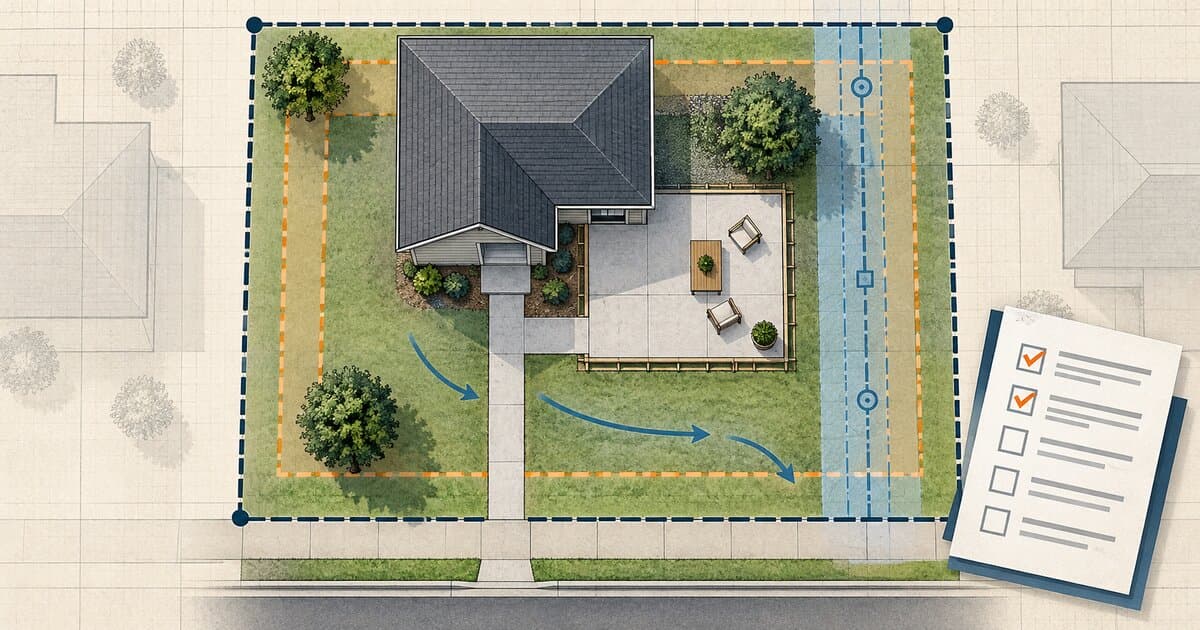
Do You Need a Permit to Pour Concrete? Patios, Slabs & Walkways
Pouring concrete may be permit-exempt or regulated depending on whether it is a patio, slab, walkway, driveway, structural base, or right-of-way work.
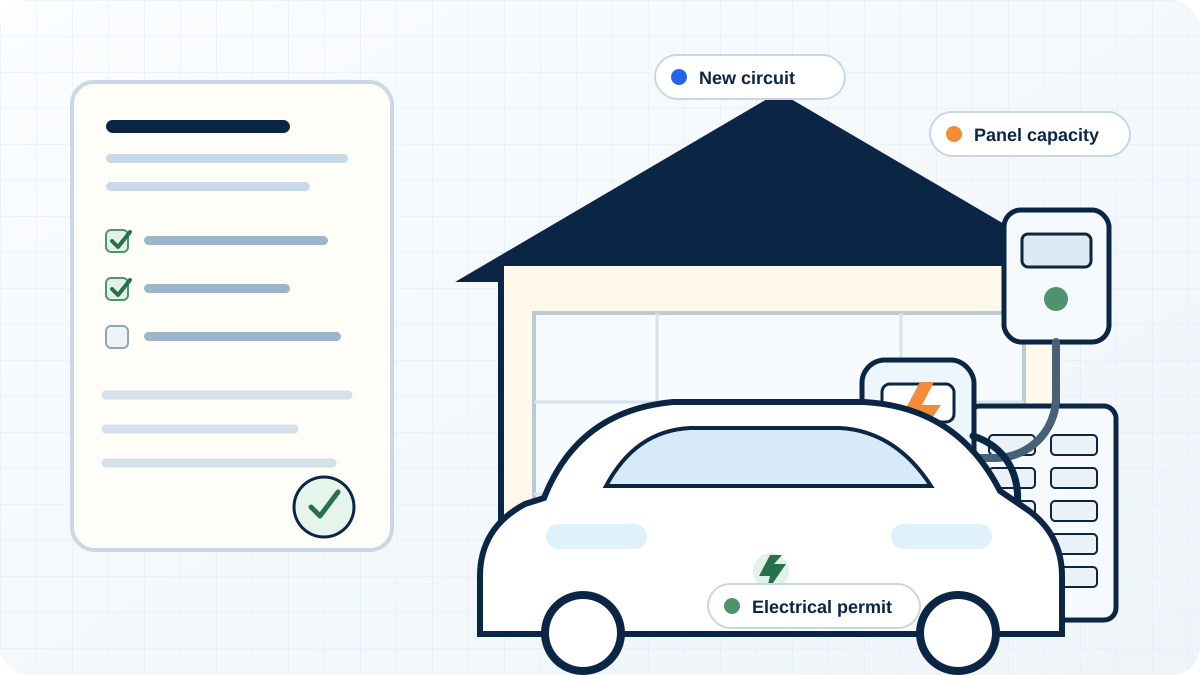
Do You Need a Permit for an EV Charger?
Learn when a home EV charger needs an electrical permit, when panel or service upgrades enter the project, and how inspection and utility coordination work.
Do You Need a Permit for a Kitchen Remodel?
Learn when cabinets, sinks, islands, appliances, walls, wiring, plumbing, gas, or ventilation can change kitchen-remodel permit and inspection needs.