
How Long Is a Building Permit Valid?
Learn when building permits expire, what inspections reset the clock, how extensions work, and what happens after expiration.
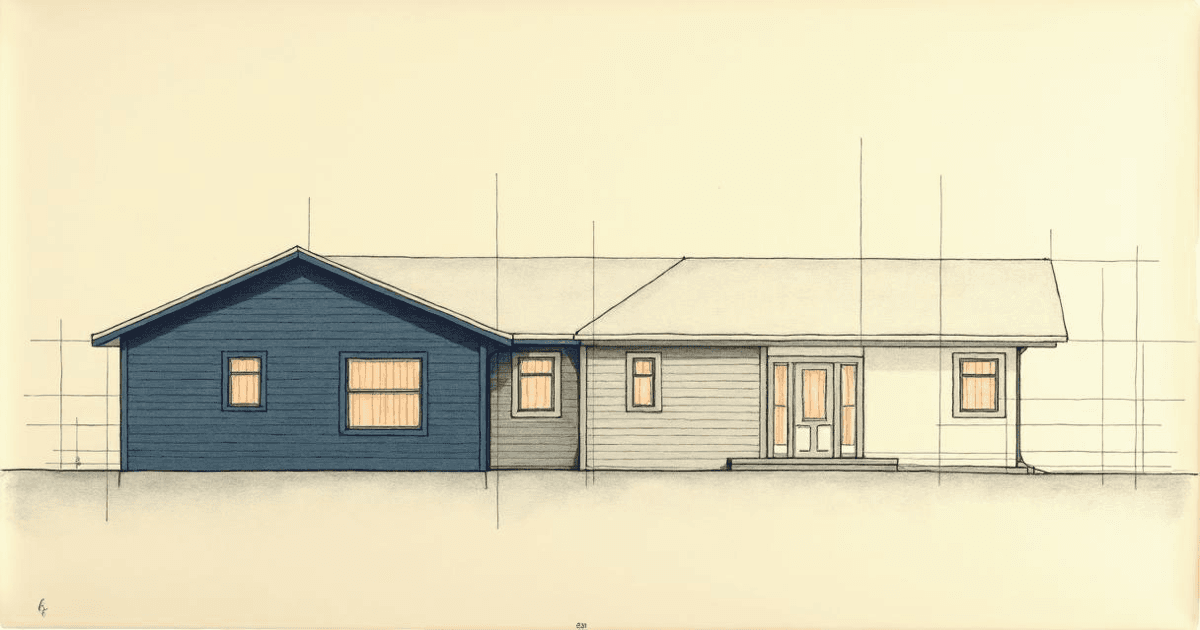
A building permit is not a document that lasts until the work is finished. It is a time-limited authorization, and in most jurisdictions it stays alive only while the project keeps demonstrating progress to the authority that issued it.
That distinction catches people out constantly. An owner with the permit in hand assumes the hard part is over. Then a winter goes by, a contractor changes, financing slips, and the permit is no longer valid — not because the deadline for finishing arrived, but because nobody called for an inspection.
Approval time and validity are two different questions
How long it takes to get a permit and how long a permit stays valid once issued are separate questions with separate answers, and this page answers only the second. If you are still waiting on issuance, read how long it takes to get a building permit approved instead.
Everything below assumes the permit exists. The clock that matters now starts at issuance, not at application.
Direct answer: what actually determines validity
Four questions decide how long your specific permit lasts:
- When does the clock start? Usually issuance — but some jurisdictions run a separate clock on whether work begins at all.
- What resets it? The local rule may use an approved inspection, any on-site inspection, or another qualifying activity. A scheduled inspection alone may not be enough.
- What is the outer limit? Some jurisdictions impose a completion deadline independent of inspection activity.
- What revives it if it lapses? Extension, renewal, reactivation and a new permit are four different things with four different costs.
Answer those against your own permit card and your jurisdiction's published rule.
The mechanism most owners do not know: inactivity, not elapsed time
The most useful thing to understand about permit validity is that many jurisdictions use qualifying inspection activity to keep a permit active, but the exact activity is local.
Portland, Oregon, states this directly in city code. Under Portland City Code 27.03.030, if no inspection is approved within 180 days after permit issuance the permit expires — and "each time an inspection is approved, the permit will automatically be extended for 180 days." A project with a steady inspection cadence can run for years on the original permit. A project that stalls loses it in six months.
Austin, Texas, uses the same shape. It states that permits expire 180 days after activation if the City has not performed an on-site inspection, pass or fail, and publishes a mechanism for work that cannot produce an inspection on that interval: a #114 Continuance of Work Inspection, where the inspector determines whether progress has continued on site, and if so the expiration date is extended 180 days.
Minnesota puts the same idea in a state administrative rule rather than a city page. Minnesota Rules 1300.0120 provides at subpart 11 that every permit expires unless the authorized work is commenced within 180 days after issuance, and at subpart 10 that a permit becomes invalid if the work is suspended or abandoned for more than 180 days. On a showing of justifiable cause, the building official shall grant written extensions of up to 180 days each.
Read those three together and the pattern is clear: a permit is a live relationship with an inspector, not a certificate in a drawer.
Some jurisdictions also run a fixed outer clock
Inspection cadence is not the only model. Some authorities set a flat period from issuance and require renewal against it regardless of how the work is going.
Seattle, Washington, is the clearest example. The Seattle Department of Construction and Inspections states that construction, demolition, mechanical and grading permits typically expire 18 months after the issue date, and that renewal is available up to 30 days before that date. SDCI requires the work to be "substantially underway and moving ahead at a rate we approve of" — excavation, inspections, and installation of framing, electrical, mechanical and finish work being completed on a continuing basis.
Wisconsin sets an outer limit at the state level for one- and two-family dwellings. Under Wisconsin Administrative Code SPS 320.09(9)(a)5, the uniform building permit "shall expire 24 months after issuance if the dwelling exterior has not been completed." That is a completion-condition deadline rather than an inactivity rule, and it sits underneath whatever the local building department adds on top.
A project can face a rolling inspection clock, a fixed outer clock, a commencement clock, or several at once. Find every clock that applies before assuming which runs out first.
Extension, renewal, reactivation, and a new permit
These four words get used interchangeably in conversation and are not interchangeable in practice. They differ in timing, in cost, and — most importantly — in which edition of the building code your work is judged against.
| Instrument | When it is available | What it preserves | Typical catch |
|---|---|---|---|
| Extension | Before expiration, on request | The same permit and its approved plans | Often requires justifiable cause, and may be limited in number |
| Renewal | Near or at a fixed expiration date | The same permit, with a new term | May require proof the work is actively progressing |
| Reactivation / reinstatement | For a limited window after expiration | The same permit, if scope has not changed | Frequently allowed only once, and only before the permit voids |
| New permit | After the permit voids | A new local review path | New application, current fees, and potentially current-code review |
Every jurisdiction populates that table differently. Austin states that you may only request an extension one time for each permit. Portland's code lets the City Administrator extend a permit up to 180 days with justifiable cause before expiration, allows reactivation within 180 days of expiration, and states plainly that "a permit may be reactivated only once" — except for its narrow unchanged-scope, final-inspection-only exception. Seattle allows reestablishment of a permit expired for less than one year, priced at one and a half times its hourly fee. Minnesota's rule requires written extensions of up to 180 days each when justifiable cause is shown.
Four jurisdictions, four different sets of rights. The safe generalization is to act before expiration: that may preserve more local options. Confirm the authority's current fee schedule and renewal path rather than assuming an extension costs less than a later request.
The code-edition trap
This is the consequence that turns a scheduling annoyance into a design problem.
Building codes are adopted in editions and re-adopted on a cycle. A lapse may trigger current-code review when a new permit or renewal is required, but that outcome depends on the issuing authority's rules.
Seattle makes the interaction explicit: if you apply for renewal more than 18 months after a new building code edition takes effect, SDCI states the permit must comply with the updated codes and the project must demonstrate active progress. Portland's code reaches the same place from the other direction: once a permit voids, a new application and current fees apply.
For a stalled, partly built project, a local current-code determination can affect energy provisions, egress, structural connections, fire separation, ventilation, or accessibility. If a permit is at risk and the local code edition is about to change, ask the issuing authority what an extension, renewal, or new application would require.
What an expired permit actually means
An expired permit does not automatically tell you the correction path. The issuing authority determines whether the permit can be extended, reactivated, renewed, or replaced.
Do not assume the work may continue. Do not resume permit-required work until the issuing authority confirms that the permit is active and identifies any required next step.
The local record can affect later applications. Austin states that the property owner is responsible for expired permits on the property even if they did not own it when the permit was issued, and that an expired permit may need to be resolved before new permits are issued. Confirm the responsible party and any transfer implications with the authority for the property.
Closeout and occupancy become the real problem. A permit is finished when the final inspection is approved and the permit is closed, not when the building is done. Seattle describes final inspection as occurring after all construction is complete and all related permits have received a final inspection, with approval to occupy granted after it and a Certificate of Occupancy issued after final approval for project types other than single-family homes and duplexes. If the permit lapsed midway, there is no clean path to that approval without first reviving or replacing it — see the certificate of occupancy guide.
Trade permits can run on their own clocks. Seattle notes that mechanical, refrigeration, electrical, plumbing, side sewer and water services require separate permits and separate inspections; check each permit's status with its issuer. See building versus zoning versus electrical versus plumbing permits.
Open permits and buying or selling a property
An open or expired permit on the property record is a diligence item, not a footnote. It signals that permitted work was started and never closed out — anything from a forgotten final inspection to a structural alteration nobody ever inspected.
Ask the responsible authority how an open or expired permit is handled for the property and whether it affects a planned application. Pull the permit history before you are under contract, not after. How to check building permit history before buying a house covers where the record lives and how to read it.
Fees and timelines
There is no reliable national permit expiration period. Expiration windows, the inspection interval that keeps a permit alive, the length and number of extensions, the reactivation window, and the fee for each are all set locally, and they are frequently different for building permits and trade permits within the same jurisdiction.
Where an authority publishes its own figure, use that figure and label it as theirs. Seattle aims to issue renewal or reestablishment permits within 48 hours after you apply; that is Seattle's number for Seattle. Portland's 180-day windows are Portland's. Wisconsin's 24-month exterior-completion rule applies to Wisconsin uniform building permits for one- and two-family dwellings and says nothing about a commercial permit elsewhere. Budget separately for re-review, revised drawings, and work redone under a newer code edition — see how much a building permit costs.
Use Permit Check to organize the parcel, the responsible authority, and the approvals a project still depends on. Confirm every date, deadline, and revival option against the issuing authority's current official source before relying on it.
Keeping a permit alive: a practical routine
- Write down every date on the permit card — issuance, any start-work deadline, any stated expiration.
- Find out what counts as qualifying activity — Portland uses an approved inspection, while Austin counts an on-site inspection whether it passes or fails. Do not assume another authority uses either rule.
- Schedule inspections early in each interval. Inspector availability is not your deadline's problem.
- Verify the result and the new expiration date after each inspection.
- Track trade permits on their own lines. They expire independently.
- If work will pause, act before expiration — an extension, or a progress-verification inspection like Austin's #114 where one exists.
- Close the permit. Final inspection, final approval, and occupancy approval where required. An uninspected finished project is still an open permit.
Frequently asked questions
How long is a building permit valid?
Only for the period the issuing jurisdiction sets, and there is no national figure. Seattle states that construction, demolition, mechanical and grading permits typically expire 18 months after the issue date; Portland's code expires a permit if no inspection is approved within 180 days of issuance. Both are local rules describing nowhere else.
Does a building permit expire even if work has started?
Yes, in many jurisdictions. Minnesota Rules 1300.0120 subpart 10 provides that a permit becomes invalid if the authorized work is suspended or abandoned for more than 180 days, measured from the first day work stopped. Starting work clears the commencement clock, not the inactivity clock.
Does an inspection reset the permit clock?
In jurisdictions built on the inactivity model, an approved inspection is exactly what resets it. Portland City Code 27.03.030 states that each time an inspection is approved the permit is automatically extended for 180 days. What counts is the approval, not the request.
What is the difference between an extension and a reactivation?
An extension is requested before expiration and keeps the same permit running. A reactivation revives a permit that has already expired, within a limited local window. Portland allows reactivation within 180 days of expiration, normally only once, with a narrow unchanged-scope, final-inspection-only exception.
Can an expired building permit be renewed?
Sometimes, for a limited period. Seattle allows reestablishment of a permit expired for less than one year, priced at one and a half times its hourly fee. Once a jurisdiction's revival window closes, the remaining option is usually a new application at current fees.
Will I have to meet the newer building code if my permit lapses?
It may. Seattle states that a renewal applied for more than 18 months after a new building code edition takes effect must comply with the updated codes. Portland requires a new application and current fees once a permit voids. Ask the issuing authority whether its local path requires current-code review.
Can I keep working while my permit is expired?
Do not resume permit-required work until the issuing authority confirms that the permit is active and identifies any required next step. Local enforcement consequences and inspection requirements vary.
Who is responsible for an expired permit on a property I just bought?
It depends on local law and the transaction. Austin states that the property owner is responsible for expired permits on the property even if they did not own it when the permit was issued, and that an expired permit may need to be resolved before new permits are issued. Confirm the rule for the property with the local authority.
Do trade permits expire separately from the building permit?
Generally yes. Electrical, plumbing, mechanical and other trade permits are separate permits with separate inspections and their own clocks. Confirm the status of each, not just the building permit.
What does it take to actually close a permit out?
Final inspection approval on the building permit and on every related permit, followed by occupancy approval where one applies. Seattle describes final inspection as occurring after all construction is complete and all related permits have received a final inspection, with a Certificate of Occupancy issued after final approval for project types other than single-family homes and duplexes.
Sources
- Building Permit Renewals — Seattle Department of Construction and Inspections
- Construction Inspections — Seattle Department of Construction and Inspections
- Portland City Code 27.03.030 — Validity and Length of Permit
- What to do with an expired permit or a permit about to expire — Portland Permitting & Development
- Activating a Permit — Austin Development Services
- Modify a Permit — Austin Development Services
- Minnesota Rules 1300.0120 — Permits
- Wisconsin Administrative Code SPS 320.09 — Permits, Uniform Dwelling Code
Related GovCodex guides
Last reviewed: September 2, 2026. Requirements vary by jurisdiction and property.
Related Articles
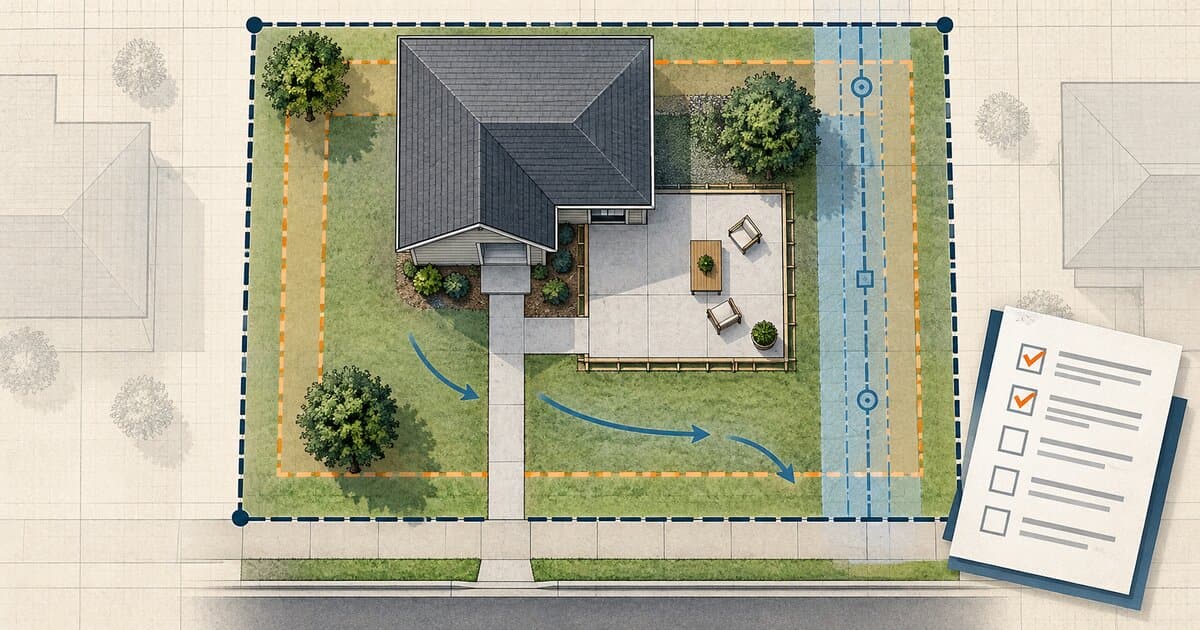
Do You Need a Permit to Pour Concrete? Patios, Slabs & Walkways
Pouring concrete may be permit-exempt or regulated depending on whether it is a patio, slab, walkway, driveway, structural base, or right-of-way work.
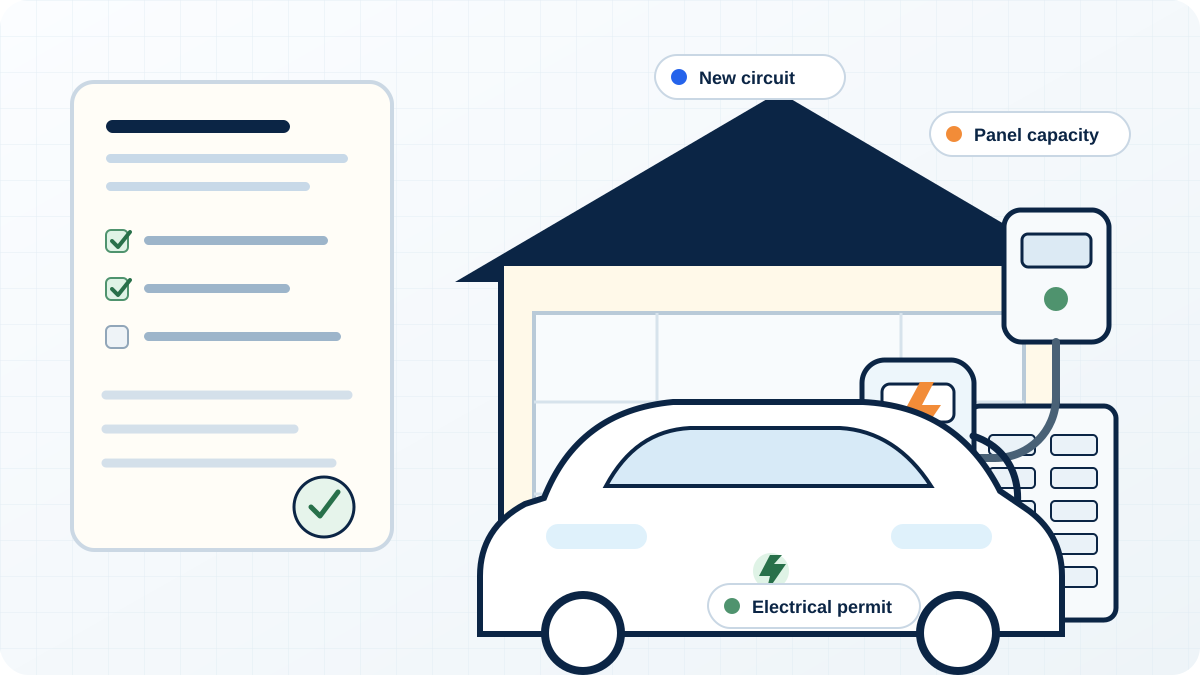
Do You Need a Permit for an EV Charger?
Learn when a home EV charger needs an electrical permit, when panel or service upgrades enter the project, and how inspection and utility coordination work.
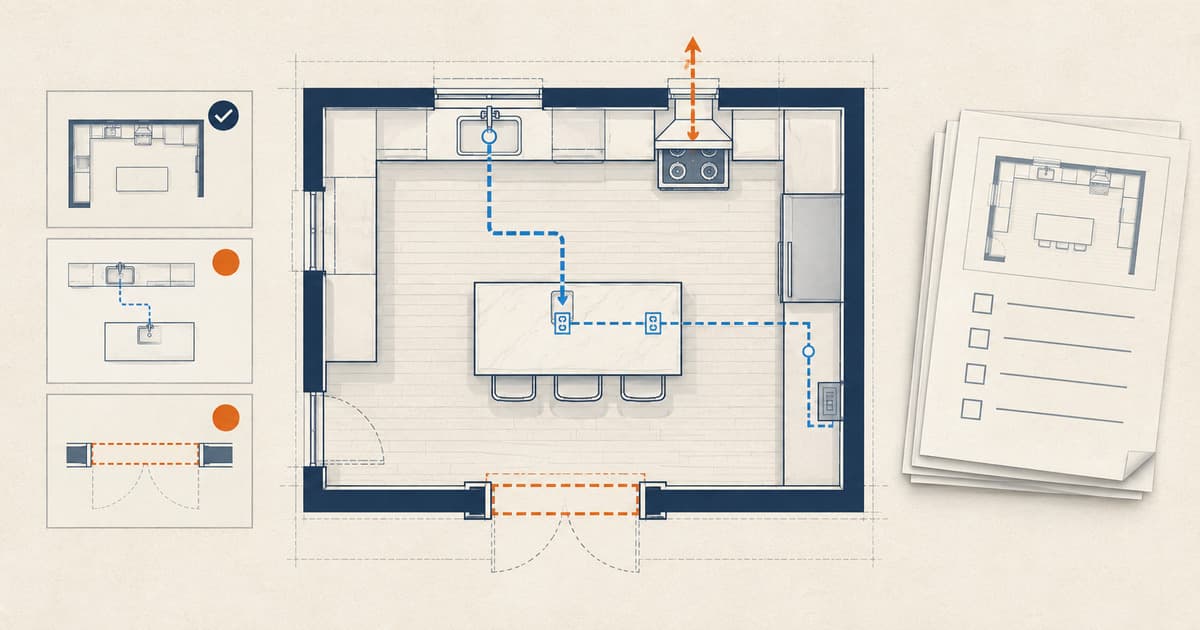
Do You Need a Permit for a Kitchen Remodel?
Learn when cabinets, sinks, islands, appliances, walls, wiring, plumbing, gas, or ventilation can change kitchen-remodel permit and inspection needs.