
Naperville Building Permit Guide (2026)
Current Naperville guidance for building permits, Civic Access, decks, patios, fences, driveways, remodeling, right-of-way work and inspections.

For work inside the City of Naperville, start with the City's Building Permits and Permits & Licenses pages and use the Civic Access portal for the applicable permit. Naperville requires permits for many common residential projects, including new construction, additions and remodeling, decks, patios, fences and pools, while some routine roofing and siding replacements are exempt when they stay within the City's stated conditions.
Check permit requirements for your Naperville property before designing around a generic city rule. Naperville spans DuPage and Will counties and has nearby unincorporated and municipal areas, so confirm the actual permitting authority for the parcel first.
Direct answer: when do you need a permit in Naperville?
The City's current Building Permits page says residents must obtain the necessary building permits before beginning new construction. It specifically identifies new buildings, additions and remodeling, decks, patios, fences and pools, and notes that permits may also be required for water softeners, air conditioners, antennas, lawn sprinklers, driveways and accessory outbuildings.
Naperville's Permits & Licenses directory then breaks the work into project-specific paths such as room additions and alterations, electrical work, plumbing, decks/patios/sheds, swimming pools, driveways, fences, lawn irrigation, commercial development, tenant build-outs, fire systems, signs and generators.
Start with the parcel and full scope
A reliable permit decision needs both:
- The exact parcel and jurisdiction. Verify the property is actually within City of Naperville permitting jurisdiction.
- The complete project scope. Include structural work, exterior work, electrical, plumbing, gas, mechanical systems, fire features, grading, driveways, right-of-way work and changes of use.
A building permit does not erase zoning, easement, utility or right-of-way constraints. Site placement and project systems can change the permit path even when the basic project type sounds simple.
Naperville's Civic Access permit workflow
Naperville's current Permits & Licenses page directs customers to the Civic Access portal, which the City says is used to apply for, pay for and manage permits.
A practical sequence is:
- confirm the address and permitting authority;
- identify the project-specific permit page;
- gather the required plans, survey or supporting documents;
- submit through Civic Access;
- respond to plan-review comments;
- pay required fees before issuance;
- do not start covered work before the permit is issued;
- schedule the required inspections; and
- retain the final permit and inspection record.
For permit-status questions, the City currently lists 630-420-6100, option 2, and buildingpermits@naperville.il.us. Inspection-result inquiries use option 1.
Common Naperville residential permit paths
| Project | Current City guidance | Important details |
|---|---|---|
| Addition or alteration | Permit required before covered new construction or alterations | Structural, electrical, plumbing, gas, mechanical and zoning scope can overlap |
| Deck | Permit required for any elevated deck and for structural/safety replacement work | Site placement, structure and inspections matter |
| Patio | Permit required above the City's paved-area threshold or at any size with specified permanent systems/features | Setbacks and easements still apply |
| Shed/coop or secondary structure | Project-specific exterior-improvement permit path applies | Placement and zoning remain separate |
| Fence | Permit application required | Survey, height, location, utilities and stormwater conditions matter |
| Driveway | Permit required for new driveway work | Zoning, legal plat and right-of-way conditions can apply |
| Electrical | Permit required before electrical work within City boundaries | Contractor/registration requirements may also apply |
| Pool | Permit path applies | Barrier, electrical and site requirements overlap |
| Generator | Building permit required before construction | Electrical and placement requirements can overlap |
| Tenant build-out | Permit required for modifications | A business occupancy permit can apply even without construction |
Patio rules: the 500-square-foot threshold is local to Naperville
Naperville's Deck, Patio and Other Exterior Residential Improvements page gives a clear local threshold:
- a new patio or expansion requires a permit when the total paved area exceeds 500 square feet;
- a patio of any size requires a permit when it includes a permanent fire pit, fireplace or grill, is more than 30 inches above adjacent ground, or includes electrical, plumbing or gas fixtures; and
- paved athletic courts require a permit regardless of size.
All patios and athletic courts still have to comply with setbacks and easement restrictions. These numbers are Naperville rules, not national defaults.
For broader flatwork context, see Do You Need a Permit for a Concrete Patio or Walkway?.
Decks and exterior structures
Naperville says a permit is required for any elevated deck and for replacement of structural or safety components such as beams, joists, stairs or railings. A deck permit can also include basic electrical work and may include an integrated arbor, gazebo, trellis, pergola or pavilion.
The project should be evaluated as a complete system. A deck with lighting, a gas appliance, a roof, altered stairs or a structure close to a setback is more than a simple platform permit.
Fence permits
Naperville requires a fence permit. Its current fence page requires a copy of the Plat of Survey showing the proposed fence location and lists development requirements for height, the finished side, front-yard placement, corner side yards, utility equipment access and stormwater.
The City currently says fences generally may not exceed six feet, with a nine-foot allowance along designated major arterial roadways, and a fence over three feet high may not extend nearer the front lot line than the front facade of the principal building. Apply those rules to the actual site and current City requirements rather than copying dimensions from another property.
Naperville also instructs residents to call JULIE before digging.
Driveways and right-of-way work
Naperville requires a driveway permit for a new driveway and says new or expanded driveways must meet zoning requirements. Changes must be shown and dimensioned on the legal plat of survey.
Work in City-owned right-of-way follows a separate right-of-way permit path. The City says work involving obstruction or excavation of a street, parkway, alley or sidewalk requires a right-of-way permit. Treat the private-property driveway and the public apron/right-of-way as separate approval questions.
Remodeling, roofing and siding
Naperville's Building Permits page says many remodeling projects require permits, and its code-enforcement guidance specifically notes that basement or kitchen work commonly requires permits when walls, electrical or plumbing are changed or windows or doors are enlarged.
The City also identifies a narrower exemption for common roofing and siding replacement on single-family homes: asphalt-composite shingles can be replaced without a building permit when the existing roof sheathing remains in place, and vinyl, aluminum or cement-board siding replacement can be permit-exempt. Other exterior finish materials can require permits.
Use the current City page for the exact material and scope. A repair exemption should not be generalized to structural roof work, altered openings, new sheathing or unrelated trades.
Surveys, easements and property lines
Naperville's project pages frequently require a Plat of Survey. The City's FOIA guidance notes that owners may find the plat among mortgage documents or obtain it from a lender, and otherwise may need a licensed land surveyor.
For fences, patios, sheds, additions and driveways, show the proposed work against legal boundaries and easements before finalizing placement. Public parcel mapping is useful for orientation, but it should not be treated as a survey where a few feet matter.
Fees
Naperville publishes project-specific permit fee schedules and requires fees before permit issuance for many permit types. Do not carry forward a fee quoted from an older article, cached PDF or another project class.
Use the current fee schedule linked from the relevant City permit page when the scope is known. A complete project can involve building, trade, review, inspection or right-of-way charges rather than one flat fee.
Inspections and closeout
The inspection sequence depends on the permit. Keep the issued permit and approved plan set available, schedule required inspections before work is concealed, and resolve corrections before final closeout.
Naperville publishes monthly building-permit reports containing permit type, address, contractor and valuation information. Those reports are useful for market context, but they do not substitute for the rules that apply to your parcel.
What GovCodex can help with
GovCodex Permit Check starts with the property address and project description. For a Naperville project it can help organize:
- the likely permitting authority;
- the applicable project and trade permit families;
- zoning, setback, easement and right-of-way questions;
- official sources used for the answer; and
- the documents and next steps to prepare.
Run Permit Check for your Naperville address.
Frequently asked questions
Does every patio in Naperville need a permit?
No. Naperville's current rule uses project-specific triggers. A patio permit is required when total paved area exceeds 500 square feet, and a patio of any size can require a permit when it includes the City's listed permanent fire features, electrical/plumbing/gas fixtures or is more than 30 inches above adjacent ground.
Does every deck need a permit?
Naperville says a permit is required for any elevated deck. Structural or safety-item replacement on an existing deck also requires a permit.
Do I need a fence permit in Naperville?
Yes. The City has a dedicated fence-permit process and requires project information including a Plat of Survey showing the proposed fence.
Can I replace asphalt shingles without a building permit?
Naperville says a building permit is not required for common asphalt-composite shingle replacement on a single-family home when the existing roof sheathing remains in place. Different roofing materials or structural work can change the result.
Do I need a permit for a kitchen or basement remodel?
Often, especially when the work changes walls, electrical, plumbing, windows, doors or other regulated systems. Match the actual scope to the current City permit page.
Does a City building permit let me work in the right-of-way?
No. Naperville has a separate right-of-way permit path for work in City-owned streets, parkways, alleys and sidewalks.
Official sources and freshness
Official sources rechecked September 30, 2026:
- City of Naperville Building Permits
- City of Naperville Permits & Licenses
- City of Naperville Deck, Patio and Other Exterior Residential Improvements
- City of Naperville Fence Permit
- City of Naperville Driveway Permit
- City of Naperville Right-of-Way Permit
- City of Naperville Residential Addition/Alteration Permit
- City of Naperville Building Permit Reports
Requirements, fees, forms and portal workflows can change. Confirm the City's current instructions for the actual property and project before construction or filing.
Related Articles
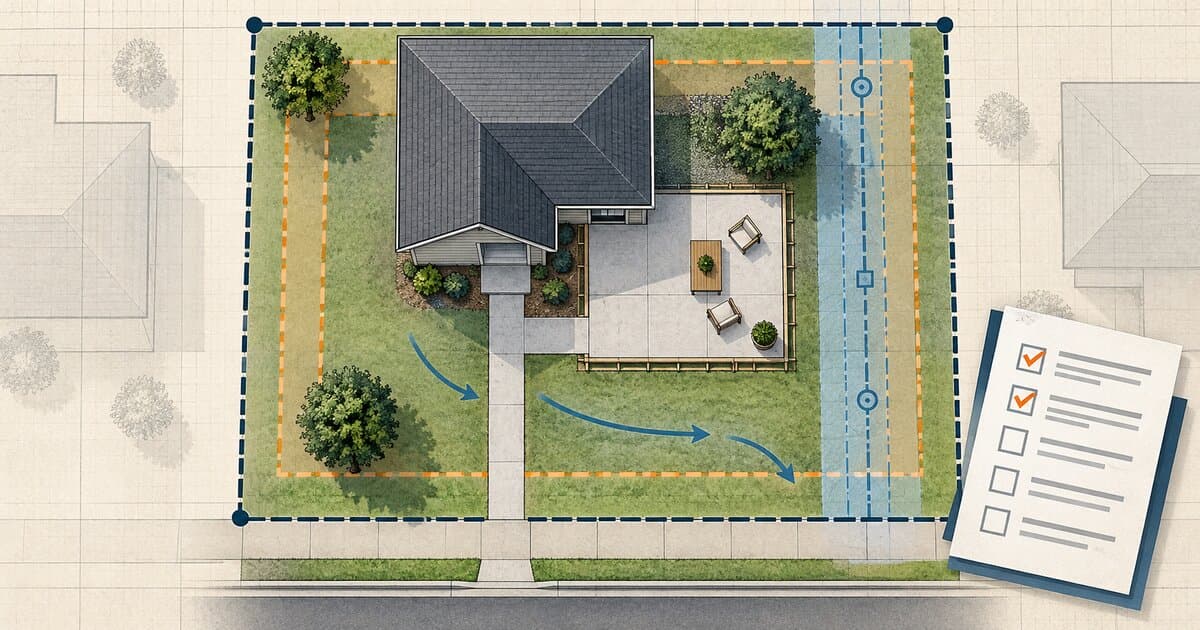
Do You Need a Permit to Pour Concrete? Patios, Slabs & Walkways
Pouring concrete may be permit-exempt or regulated depending on whether it is a patio, slab, walkway, driveway, structural base, or right-of-way work.
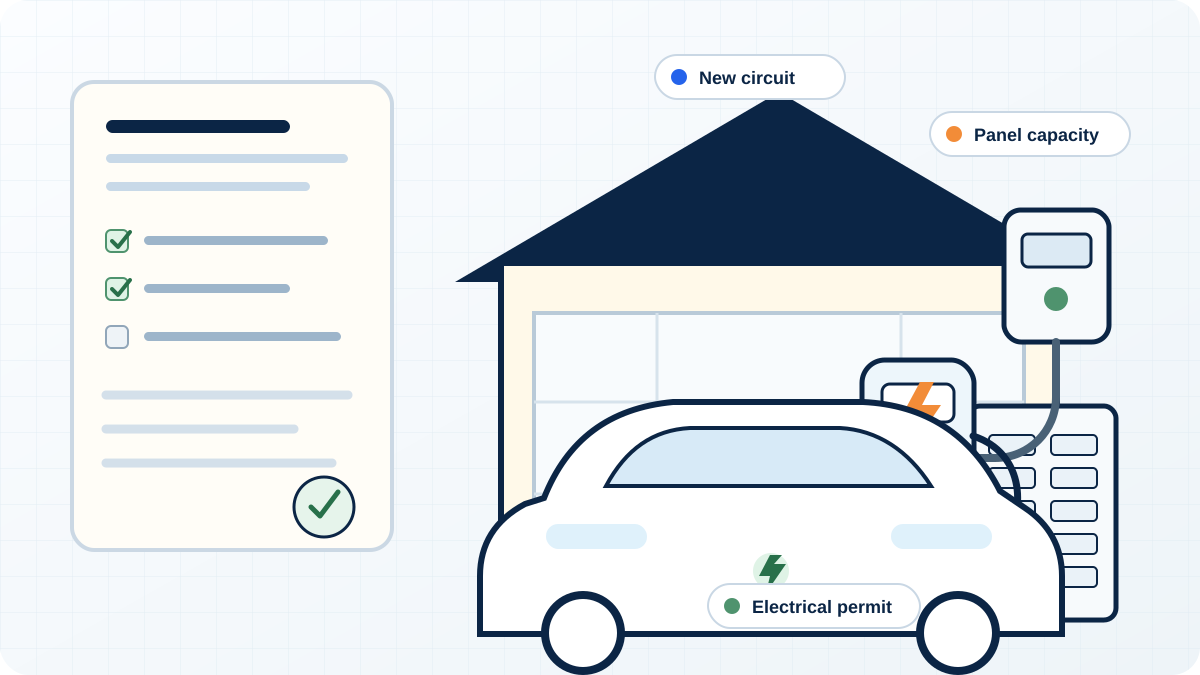
Do You Need a Permit for an EV Charger?
Learn when a home EV charger needs an electrical permit, when panel or service upgrades enter the project, and how inspection and utility coordination work.
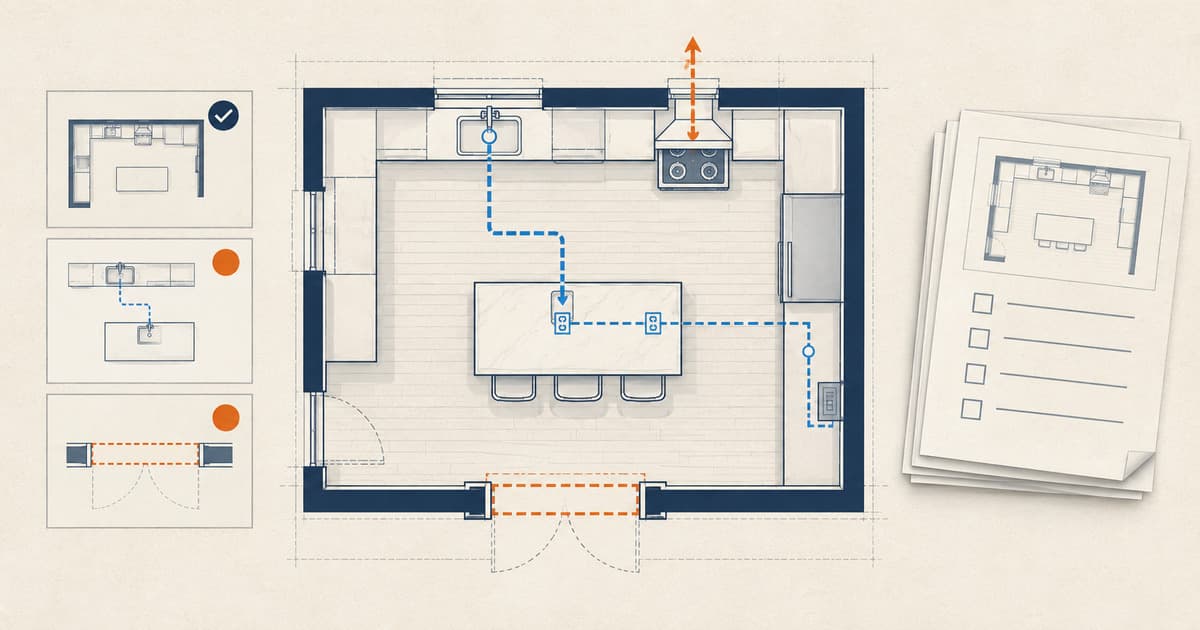
Do You Need a Permit for a Kitchen Remodel?
Learn when cabinets, sinks, islands, appliances, walls, wiring, plumbing, gas, or ventilation can change kitchen-remodel permit and inspection needs.