
Blog
Insights on building permits, zoning, and municipal compliance
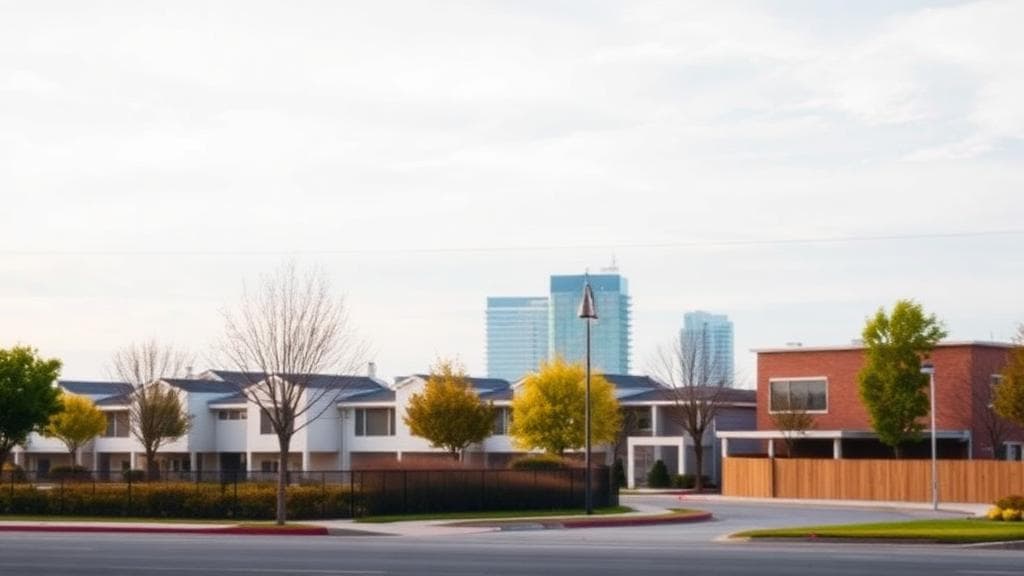
How to Read a Zoning Map Before You Build
A plain-English guide to reading an official zoning map: locate your parcel, identify your zoning district and any overlays, and confirm the real rules before you build.
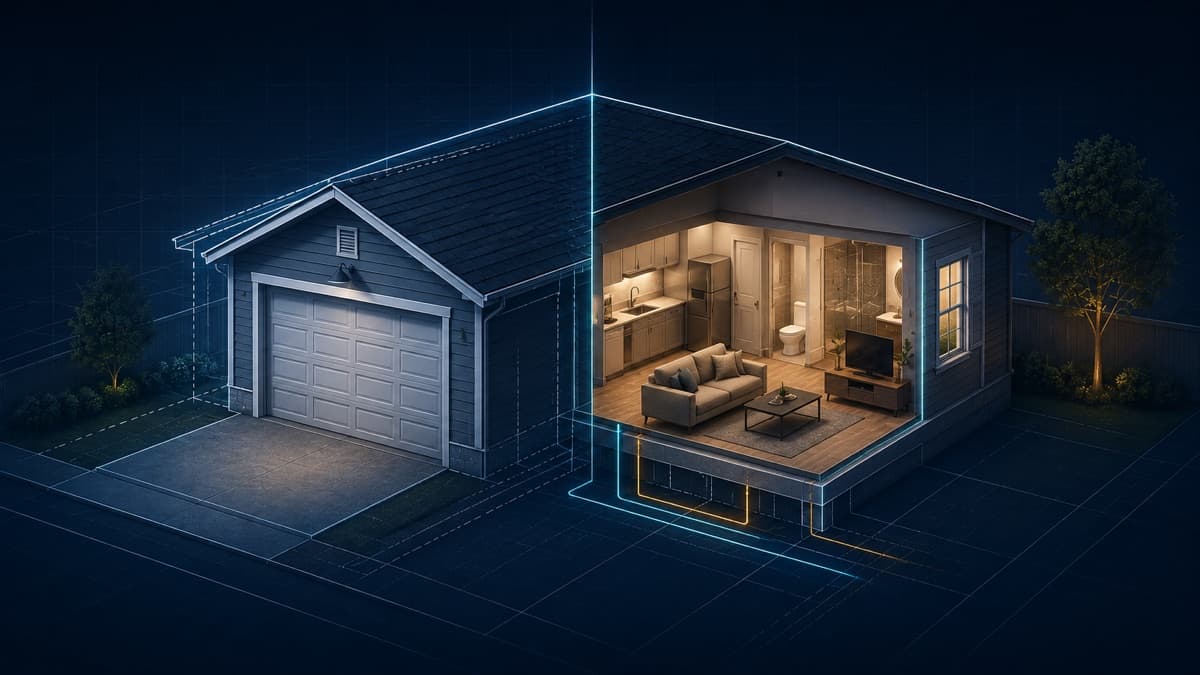
Can I Turn My Garage Into an Apartment?
Whether you can convert a garage to an apartment ADU depends on your zoning district, parking, utilities, and building-code rules like egress and fire separation. Here's how to find your real answer.
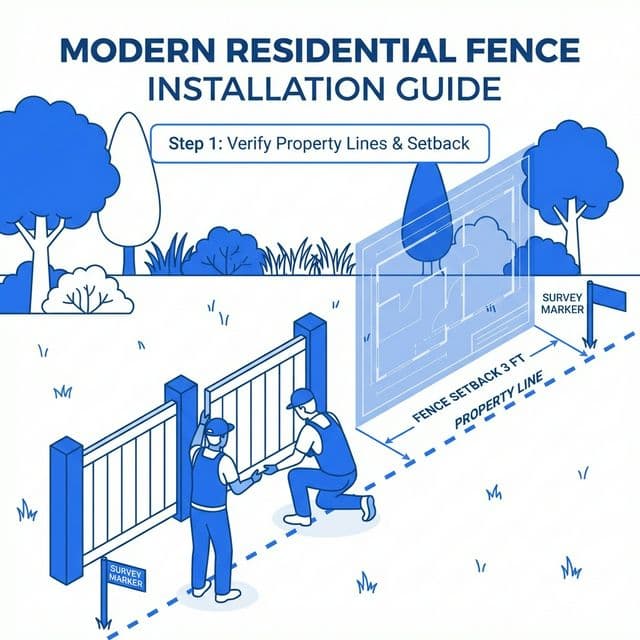
Fence Permit Rules: Height, Setbacks, and Property Lines Explained
Fence permit rules vary widely by city, but the same handful of factors—height, yard location, setbacks, corner-lot sightlines, and your true property line—decide nearly every case. Here's how to read them for your lot.

Permit Application Checklist for Home Renovations
A practical, local-code-aware building permit document checklist for home renovations — site plans, drawings, survey, structural details, and the local variables that change what your jurisdiction actually requires.

The Difference Between Building, Zoning, Electrical, and Plumbing Permits
A plain-English guide to how building, zoning, electrical, plumbing, mechanical, right-of-way, and floodplain/shoreland permits differ, who reviews each, and how they stack on one project — with a researched Sturgeon Bay, Wisconsin example.
How Much Does a Building Permit Cost?
Building permit costs are rarely one flat number. Learn how flat fees, valuation-based fees, plan review, inspections, and state surcharges stack up, with a real Sturgeon Bay example.
How to Estimate the Cost of a Home Addition
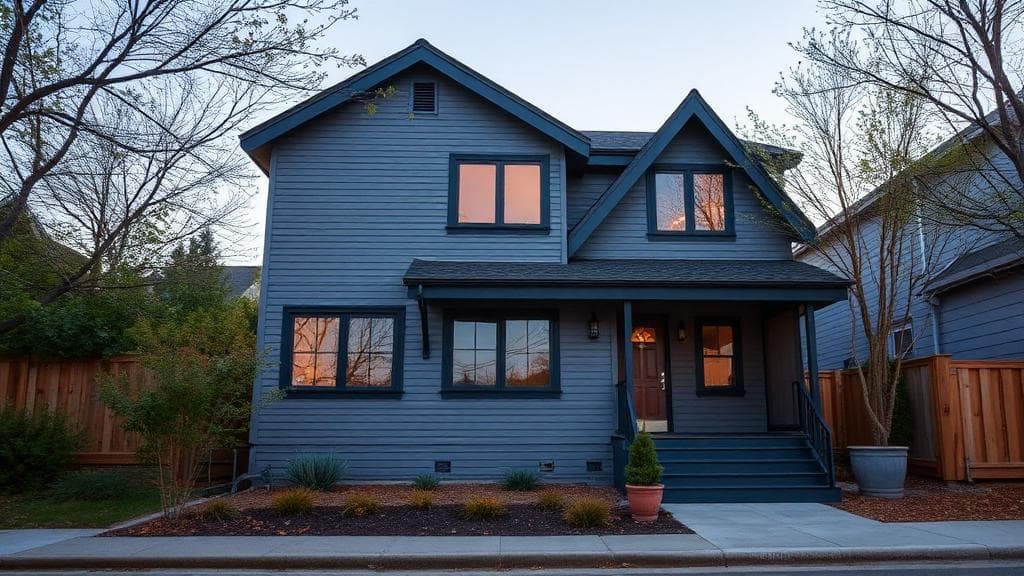
A practical, range-based method for estimating the cost to build a home addition — covering size, foundation, stories, baths and kitchens, labor vs. materials, permit and design fees, contingency, and utility upgrades, with a worked Sturgeon Bay, Wisconsin example.

How to Find Your Local Building Code Without Getting Lost
A practical, no-dead-ends method to find the exact building and zoning code for your property — from code hosts and department pages to permit PDFs and state code adoption.
Can I Build a Garage or Shed in My Backyard?
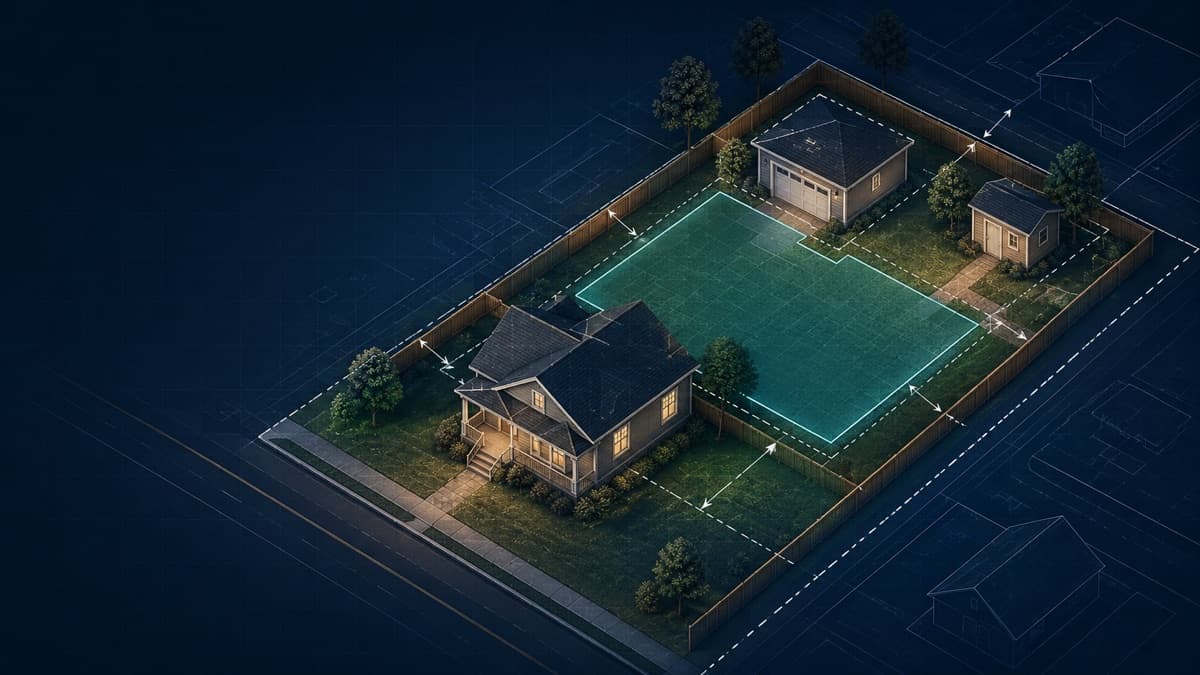
Whether you can build a detached garage or shed in your backyard usually comes down to accessory-structure size, height, setbacks, and lot coverage in your zoning district. Here is how to find your real answer.
What Is a Setback and Why Does It Matter?
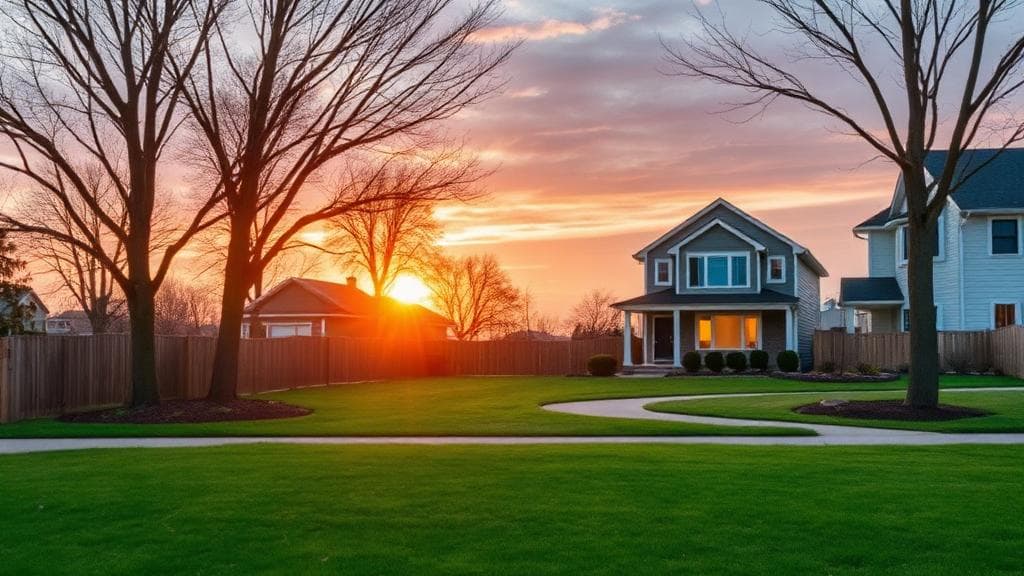
A setback is the minimum distance a structure must sit from a property line, right-of-way, or shoreline. Here's how each type is measured, when it applies, and how to find your lot's exact numbers.
What Is Impervious Surface Coverage?
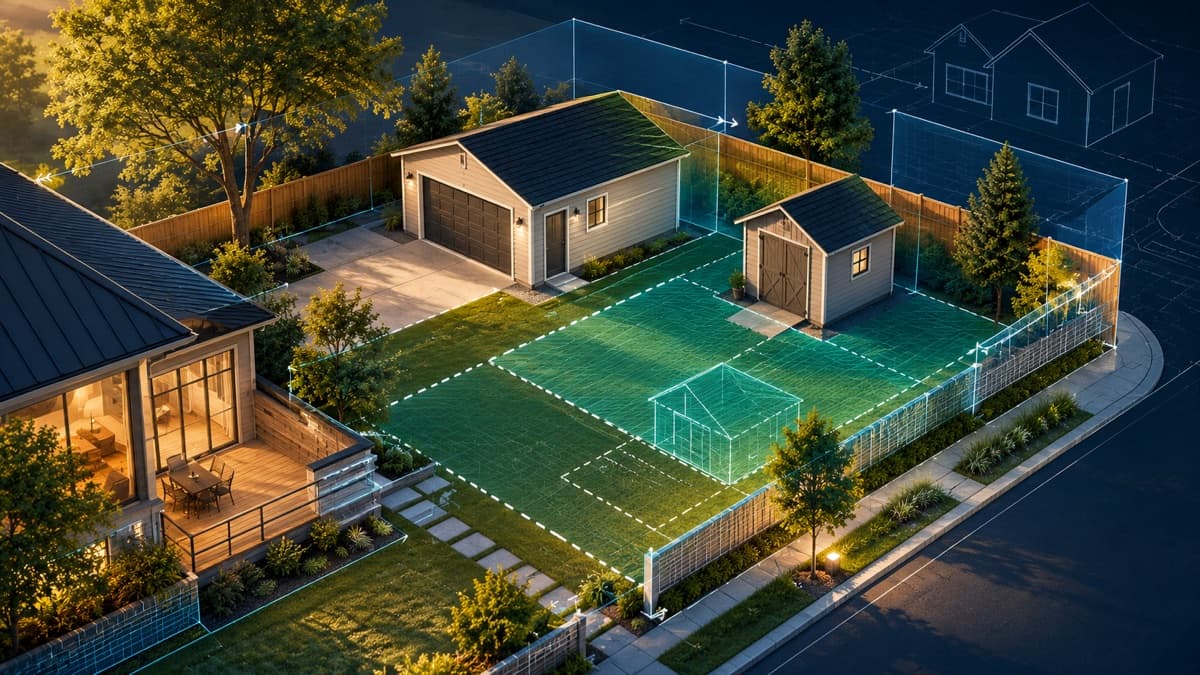
Impervious surface coverage is the share of your lot covered by water-shedding hard surfaces like roofs and driveways. Here's how the limit is measured, why it matters, and how local and shoreland rules change the answer.
Deck Footings, Frost Depth, and Code Requirements Explained
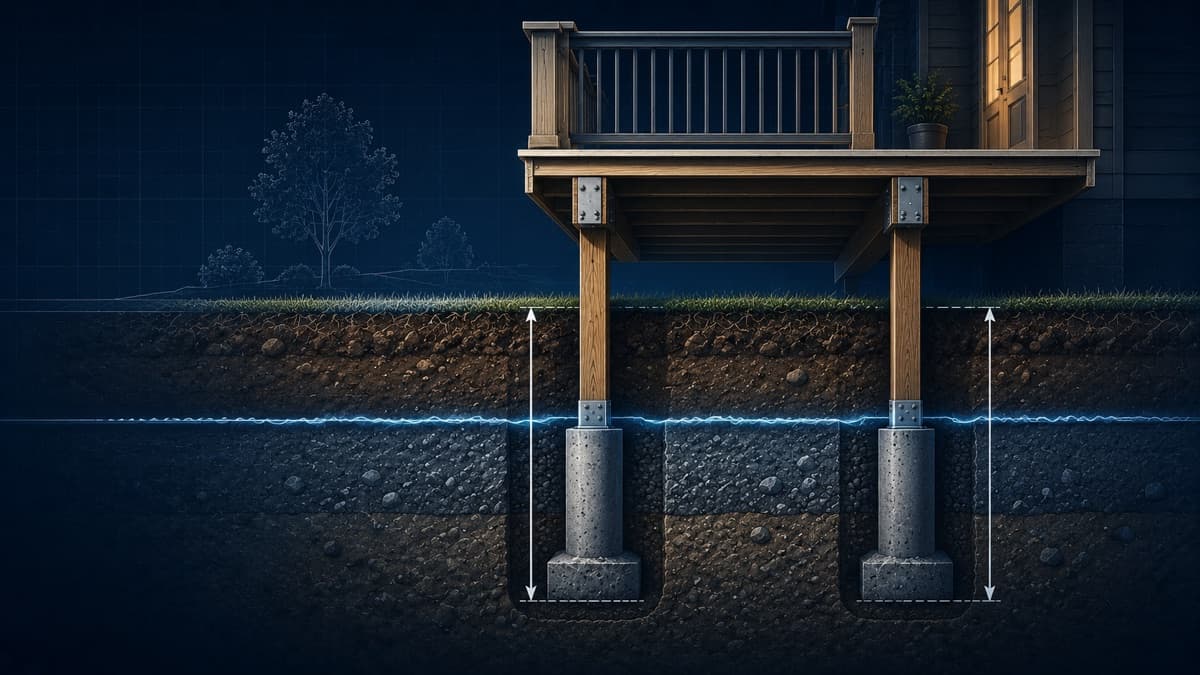
Deck footing depth is governed by your local frost line and building code, not a single national number. Here's how frost depth, footing size, post spacing, and load change the answer — plus what to verify for your property.