
Understanding Building Permits: Real-World Examples and Key Requirements
Explore real building permit examples and learn what's needed to obtain a permit for your construction project.
What Is a Building Permit and Why Does It Matter?
A building permit is a legal document issued by a local government authority that allows you to start construction, renovation, or demolition on a property. It ensures your project meets local building codes, zoning laws, and safety standards. Without a permit, you risk fines, project delays, or even being forced to undo completed work.
Building permits are required for most construction projects, including:
- Adding a new room or extension
- Installing a deck or fence
- Rebuilding a roof
- Electrical, plumbing, or HVAC upgrades
Building Permit Example: Adding a Room
Let’s walk through a real-world example to understand how building permits work. Suppose you want to add a 200-square-foot room to your home. Here’s what you’ll need to do:
- Review Zoning Laws: Check with your local municipality to confirm the project aligns with zoning regulations (e.g., setbacks, height restrictions).
- Prepare Plans: Hire an architect or use a DIY plan service to create detailed blueprints. These must include structural, electrical, and plumbing details.
- Submit Permit Application: File your application online or in person with the local building department. Include:
- Property survey
- Setback information
- Detailed construction plans
- Proof of insurance
- Fee payment
- Wait for Approval: The review period typically takes 2-6 weeks, depending on local workload and complexity. You may need to revise plans if any issues are found.
- Schedule Inspections: Once approved, you must schedule inspections at key stages (e.g., foundation, framing, final inspection) to ensure compliance with codes.
- Receive Final Approval: After passing all inspections, you’ll get a certificate of occupancy (if applicable), and your project can officially be used for its intended purpose.
Common Building Permit Example Projects
Here are a few common construction projects that require permits and what they typically involve:
Deck Installation
- Purpose: Adding a deck for outdoor living space
- Permit Requirements:
- Structural design plans
- Proof of property ownership
- Compliance with local deck codes (e.g., railing heights, load requirements)
Kitchen Remodel
- Purpose: Upgrading cabinetry, countertops, and plumbing
- Permit Requirements:
- Plumbing and electrical plans
- Proof of licensed contractors
- Structural changes (if any)
Attic Conversion
- Purpose: Converting an attic into a bedroom or office
- Permit Requirements:
- Heating and ventilation plans
- Egress window specifications
- Electrical upgrades
How Long Does It Take to Get a Building Permit?
The time required to obtain a building permit varies by location and project complexity. For simple projects like a deck or fence, permits may be issued within a few days. More complex projects, such as room additions or attic conversions, often take 2-6 weeks for review and approval. Delays can occur if plans need revisions or if the local permitting office is backlogged.
How to Get a Building Permit
To apply for a building permit, follow these steps:
- Research Local Requirements: Visit your city or county’s building department website to find specific requirements for your project.
- Prepare Required Documents: This includes site plans, construction drawings, and proof of insurance.
- Submit Application: Most cities now accept online applications. You may need to pay a fee based on the project’s cost or square footage.
- Wait for Review: The building department will review your application and notify you if changes are needed.
- Schedule Inspections: Once approved, schedule inspections as required during the construction process.
When to Use a GovCodex
Navigating the building permit process can be complex, especially if you're unfamiliar with local regulations. If you're a contractor or homeowner planning a construction project, consider using GovCodex. Our platform helps you:
- Find Permit Requirements: Quickly access local building codes and permit requirements for your area. Learn more about our solutions.
- Prepare and Submit Applications: Get step-by-step guidance for completing and submitting your permit application.
- Track Permit Status: Monitor the progress of your application and receive alerts for inspections and approvals.
For builders and developers, our builder-focused tools streamline the permitting process for multiple projects.
Final Thoughts
Understanding building permits is essential for any construction project. By studying real-world examples and following local requirements, you can avoid delays and ensure a smooth permitting process. Whether you're a homeowner or a contractor, using a permit assistant can save you time and reduce the risk of costly mistakes.
Further reading
- When Do You Need a Construction Permit? A Homeowner and Contractor Guide
- Where to Get a Construction Permit: A Homeowner's and Contractor's Guide
- How Long Do You Need a Permit for Your Construction Project?
Further reading
Related Articles
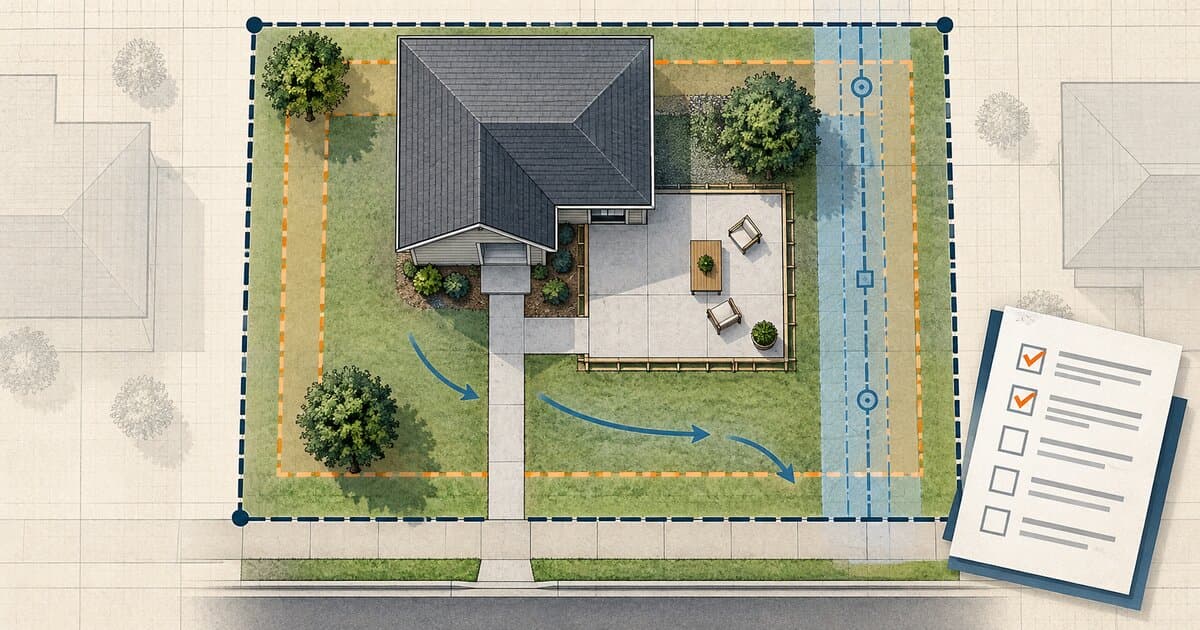
Do You Need a Permit to Pour Concrete? Patios, Slabs & Walkways
Pouring concrete may be permit-exempt or regulated depending on whether it is a patio, slab, walkway, driveway, structural base, or right-of-way work.
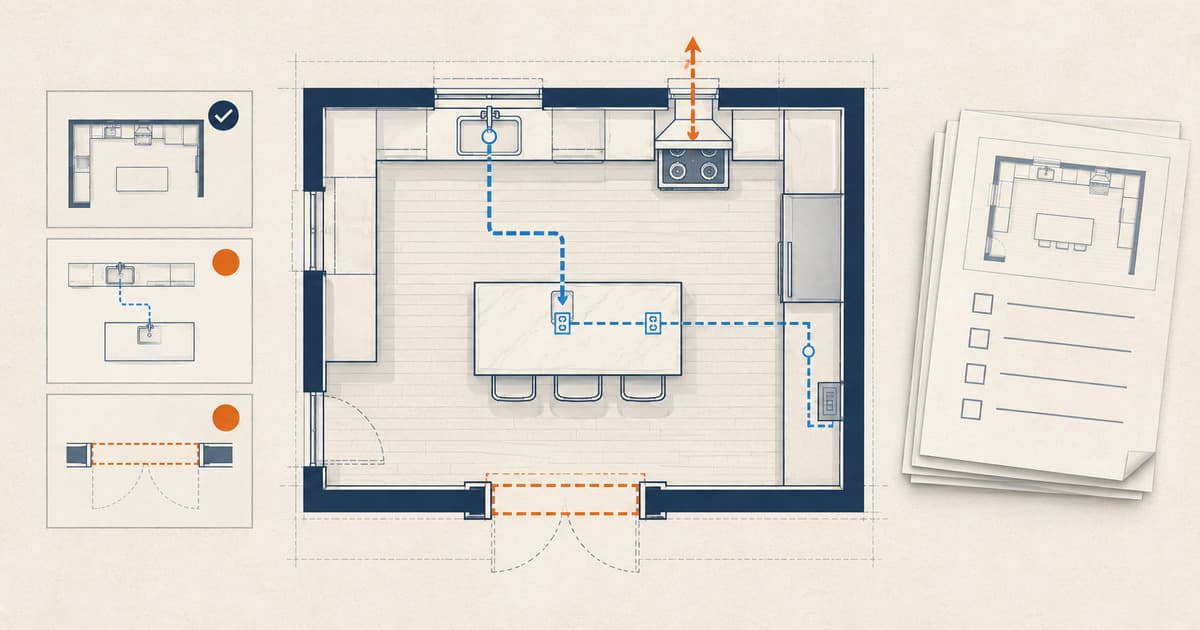
Do You Need a Permit for a Kitchen Remodel?
Learn when cabinets, sinks, islands, appliances, walls, wiring, plumbing, gas, or ventilation can change kitchen-remodel permit and inspection needs.
Do You Need a Permit to Finish a Basement?
Learn when a basement finish needs a permit, what changes for bedrooms and bathrooms, and which inspections come before drywall.