
Hennepin County Permits: Why Your City — Not the County — Issues Your Building Permit
Hennepin County hasn't issued a building permit in decades — each of its 45 cities enforces the Minnesota State Building Code on its own. Here's what the county still permits, and who to actually contact.

Direct Answer: Hennepin County does not issue building permits — each of its 45 cities administers and enforces the Minnesota State Building Code within its own borders, as set out in Minn. Stat. §326B.121. That's been true countywide since January 2012, when Hassan Township — Hennepin's last remaining township — merged into the city of Rogers, ending township government countywide — though a small unorganized territory, Fort Snelling (largely federal and park land), remains outside any city's limits. The county still permits or licenses a short, specific list of things: septic systems, access onto county roads and highways, and (in some cities) food, pool, and lodging establishments. For a building, electrical, plumbing, or zoning permit, the office you want is your city's, not the county's.
Verified against official Hennepin County and Minnesota sources: July 12, 2026. Requirements change — confirm with your city or the county before applying.
Key Takeaways
- Hennepin County does not run a building department. Building permits are issued by whichever of the county's 45 cities the property sits in, under Minn. Stat. §326B.121 (Hennepin County: Cities and school districts; Minn. Stat. §326B.121).
- Hennepin has had zero townships since 2012, when Hassan Township — its last one — merged into Rogers, ending township government countywide — though a small unorganized territory, Fort Snelling, remains outside any city (Wikipedia: Hassan Township, Hennepin County; Star Tribune: "Era ends as last township in Hennepin County folds").
- The county does directly permit septic systems (SSTS) countywide, unless a city runs its own qualifying program at least as strict as the county's (Hennepin County SSTS ordinance).
- Hennepin does not run a delegated well program — MDH's own list of delegated well programs covers Blue Earth, Dakota, Goodhue, LeSueur, Olmsted, Wabasha, Waseca, and Winona counties plus the cities of Bloomington and Minneapolis, not Hennepin County, so wells there are permitted directly by the state. Hennepin does handle access/utility permits strictly limited to county roads and state-aid highways — not city streets (MDH: Delegated Well Programs; Hennepin County: Road permits).
- Shoreland and floodplain rules near Hennepin's lakes and rivers follow a statewide DNR minimum standard but are written and enforced by the city where the property sits, not the county (Minn. Rules ch. 6120).
- Even the county's own food, pool, and lodging licensing program doesn't cover every city — Minneapolis, Bloomington, Edina, Minnetonka, Richfield, and Brooklyn Park run their own instead (Hennepin County: Food, pools and lodging licenses).
Does Hennepin County Issue Building Permits?
No. Minnesota's State Building Code is a single statewide standard, but Minn. Stat. §326B.121 puts enforcement in the hands of municipalities: once a city has an ordinance adopting the code in effect, it "must continue to administer and enforce the State Building Code within its jurisdiction" (Minn. Stat. §326B.121). Counties aren't part of that structure in Hennepin's case. The county's own site frames its government around that same city-by-city reality: "Hennepin County is made up of 45 cities and has 22 Independent School Districts" (Hennepin County: Cities and school districts) — each one runs its own building-permit process. County documents reflect this too: Hennepin County's construction guide for food-service buildouts states that "a city shall not issue a building permit until the plans have been approved by Hennepin County Environmental Health" — the county reviews certain plans, but the city issues the permit (Hennepin County: Construction Guide). For how building, zoning, electrical, and plumbing permits differ, see Building vs. Zoning vs. Electrical vs. Plumbing Permits, Explained.
Why Doesn't the County Have Its Own Building Department?
Because there's no township government left to run one. Hassan Township, in the county's northwest corner, was Hennepin's last township. Its town board agreed to a joint-powers annexation with the neighboring city of Rogers in 2008; the merger took effect in January 2012, leaving Hennepin with zero remaining townships (Wikipedia: Hassan Township, Hennepin County; Star Tribune: "Era ends as last township in Hennepin County folds"). Land that annexed into Rogers is now permitted by Rogers's own building department like any other parcel in the city (City of Rogers: Building Department).
What Does Hennepin County Actually Permit or License?
A handful of specific, verifiable things:
Septic systems. Hennepin County Ordinance No. 19 requires a permit from the county's Health Authority "before any [individual sewage treatment system] in Hennepin County's jurisdiction is installed, replaced, abandoned, altered, repaired, rejuvenated or extended," with permits valid for 12 months (Hennepin County SSTS ordinance). This applies to unsewered properties countywide, though a city may run its own septic program instead, as long as it's at least as strict as the county's ordinance.
Wells. Minnesota delegates well-construction permitting to certain local programs, but Hennepin itself is not one of the delegated counties — MDH's delegated program covers Blue Earth, Dakota, Goodhue, LeSueur, Olmsted, Wabasha, Waseca, and Winona counties plus the cities of Bloomington and Minneapolis; wells elsewhere in Hennepin County are permitted directly by the state, not the county (MDH: Delegated Well Programs).
County road and right-of-way access. Hennepin County is the road authority for county roads and county state-aid highways only. The county is explicit about the boundary: "Hennepin County does not issue permits for accesses on local roads," and "does not issue permits for utility facilities on local roads" — that's the city's or township's job (Hennepin County: Road permits). If your driveway or utility work touches a county highway, you need the county; if it's a city street, you don't.
Food, pool, and lodging licenses — in some cities. Hennepin County Environmental Health "regulates food, pool and lodging inspections and enforcement programs in select cities in the county." Minneapolis, Bloomington, Edina, Minnetonka, Richfield, and Brooklyn Park are excluded and run their own programs instead (Hennepin County: Food, pools and lodging licenses).
Who Handles Shoreland and Electrical Permits?
Shoreland and floodplain. The DNR sets statewide minimum standards for development near protected lakes, rivers, and floodplains in Minnesota Rules chapter 6120, but "each local government is responsible for administration and enforcement of its shoreland management controls" (Minn. Rules ch. 6120). Because Hennepin has no township governments, that "local government" is the city where the shoreland sits — not the county.
Electrical permits. These can bypass city and county both. The Minnesota Department of Labor and Industry (DLI) directly issues and inspects electrical permits in any city that hasn't taken on that authority itself; DLI's inspector directory tells you whether the "Authority Having Jurisdiction" for your address is "State" or "Local" (DLI: Electrical permits — homeowners). Corcoran, a Hennepin County city near Rogers, is a real example: its own site states the city "does not issue or inspect electrical permits" and that DLI handles the state electrical code there instead (City of Corcoran: Electrical Permits).
Who Handles What in Hennepin County?
| Function | Who handles it | Source |
|---|---|---|
| Building permit (new construction, additions, remodels) | Your city — all 45 administer their own | Minn. Stat. §326B.121 |
| Electrical permit | Your city, or MN DLI directly if the city hasn't taken on the role | DLI Electrical Permits |
| Plumbing / mechanical permit | Typically your city's building department | City-specific |
| Zoning, setbacks, land use | Your city's planning department | Local ordinance |
| Shoreland / floodplain rules | Your city, under DNR minimum standards | Minn. Rules ch. 6120 |
| Septic system (SSTS) permit | Hennepin County, unless your city runs its own qualifying program | Hennepin County Ordinance 19 |
| Well construction / sealing permit | Minnesota Dept. of Health (state), except in Bloomington/Minneapolis, which run their own delegated programs | MDH Delegated Well Programs |
| Driveway or utility access on a county road/highway | Hennepin County Public Works | Hennepin County Road Permits |
| Driveway or utility access on a city street | Your city | — |
| Food, pool, lodging license | Hennepin County, except in Minneapolis, Bloomington, Edina, Minnetonka, Richfield, Brooklyn Park | Hennepin County Food, Pools & Lodging |
What Does This Look Like in Minneapolis, Bloomington, and Plymouth?
Minneapolis runs its own full-service operation: Community Planning & Economic Development, through its Construction Code Services division, reviews plans and issues building, mechanical, and plumbing permits, while the state issues electrical and elevator permits separately (City of Minneapolis: Construction Permits). For the full walkthrough, see Getting a Building Permit in Minneapolis.
Bloomington's Building and Inspections Division reviews plans, issues permits, and runs inspections through its own online permit portal — separate from the county entirely (City of Bloomington: Building and Inspections).
Plymouth's Building Inspection Division, inside Community & Economic Development, issues its own building, electrical, mechanical, and plumbing permits from Plymouth City Hall (City of Plymouth: Permits & Inspections).
Three suburbs, three separate building departments — the pattern across all 45 cities, not the exception. What would you actually contact the county for? Septic permits for unsewered properties; a road permit touching a county road or highway; or a food, pool, or lodging license where the city doesn't run its own program. Anything structural is your city's job.
How Does Hennepin Differ from Counties That Still Have Townships?
Hennepin's zero-township structure isn't the Minnesota norm. Carver County, one county over, still has active townships and administers building permits directly for all ten of them, while construction inside any of its cities goes through that city instead — a split that simply doesn't exist in Hennepin because there are no townships left to serve. Our state guide, The Minnesota State Building Code: One Code, Many Administrators, covers how that split works county by county, and why "who administers your permit" can change completely once you cross a county line.
Frequently Asked Questions
Does Hennepin County have a building department?
No. Building permits in Hennepin County are issued by whichever of the county's 45 cities the property is in, under Minn. Stat. §326B.121, not by the county government (Minn. Stat. §326B.121).
Why doesn't Hennepin County have any townships, unlike some other Minnesota counties?
Hassan Township, the county's last one, merged into the city of Rogers effective January 2012 after a joint-powers annexation agreement, ending township government countywide — though a small unorganized territory, Fort Snelling, remains outside any city (Wikipedia: Hassan Township, Hennepin County; Star Tribune).
Does every city in Hennepin County issue its own electrical permits?
No. Some, like Corcoran, don't run an electrical program at all — the Minnesota Department of Labor and Industry issues and inspects those permits directly. Check DLI's inspector directory for your address before assuming (DLI: Electrical permits — homeowners; City of Corcoran: Electrical Permits).
Verify the Rules for Your Property
Because permitting in Hennepin County depends entirely on which of the 45 cities your property sits in — plus whether it touches a county road or relies on a septic system — general guidance can only take you so far. Check GovCodex's Hennepin County permit catalog for jurisdiction-specific detail, or run a permit check against your actual address to confirm which office has authority over your project before you apply.
Related Articles
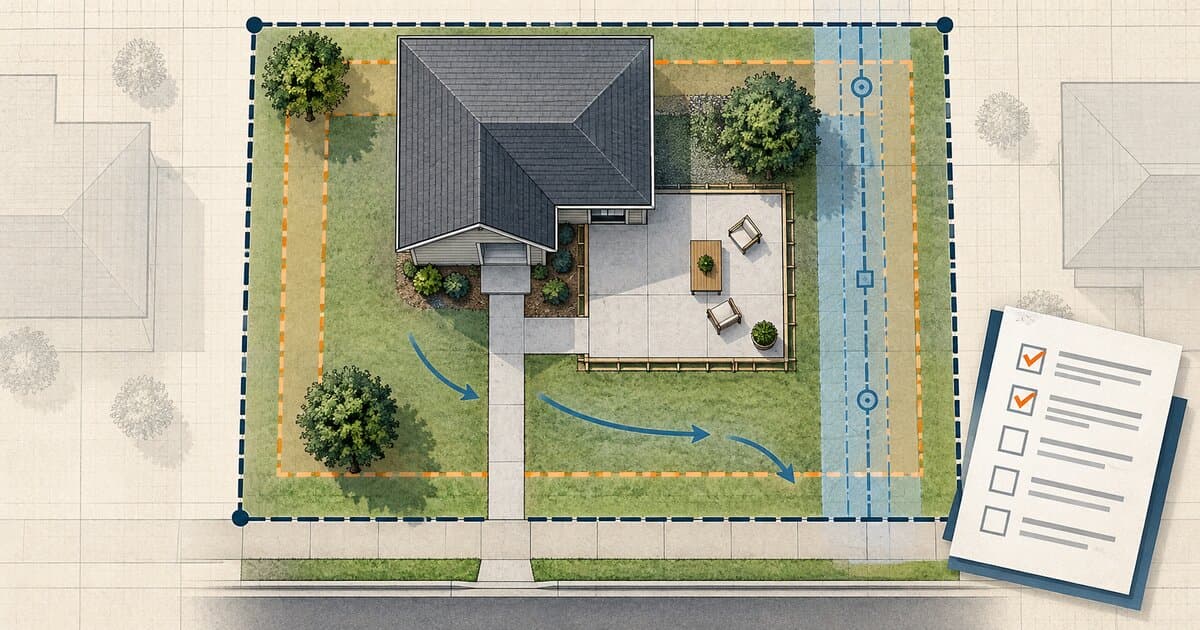
Do You Need a Permit to Pour Concrete? Patios, Slabs & Walkways
Pouring concrete may be permit-exempt or regulated depending on whether it is a patio, slab, walkway, driveway, structural base, or right-of-way work.
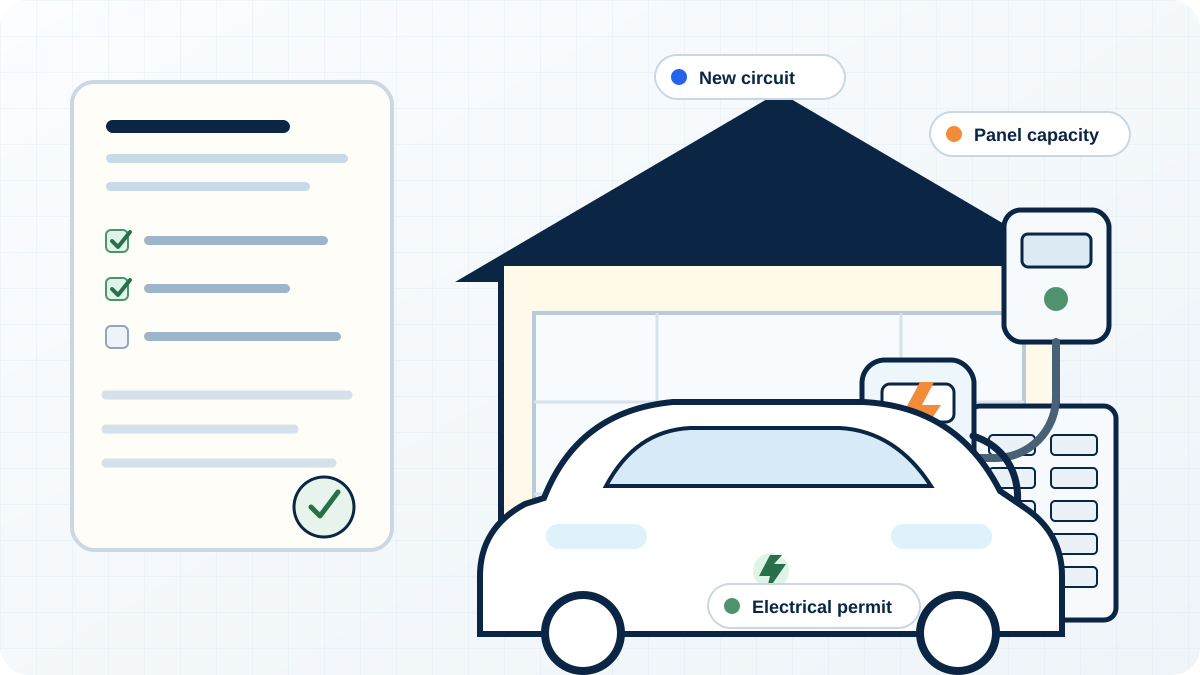
Do You Need a Permit for an EV Charger?
Learn when a home EV charger needs an electrical permit, when panel or service upgrades enter the project, and how inspection and utility coordination work.
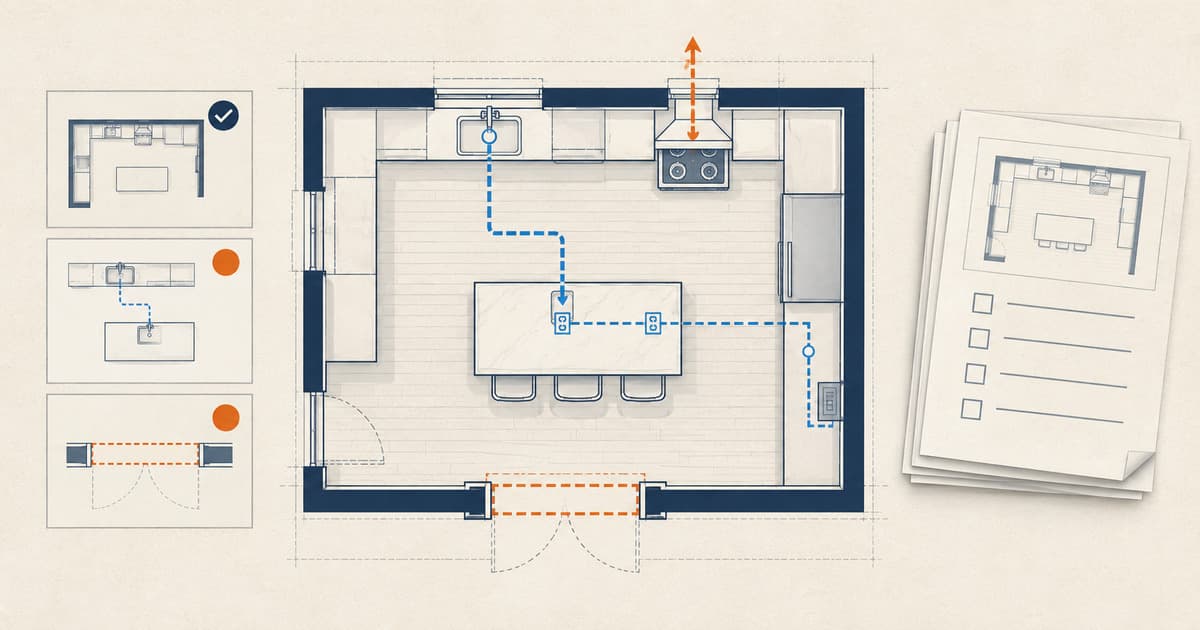
Do You Need a Permit for a Kitchen Remodel?
Learn when cabinets, sinks, islands, appliances, walls, wiring, plumbing, gas, or ventilation can change kitchen-remodel permit and inspection needs.