
Do I Need a Permit for a Fence in Rochester, MN?
Rochester, MN exempts fences 6 feet or less from a building permit if they don't block sightlines, but the Unified Development Code still caps front-yard height, bans chain link there, and limits corner-lot visibility.
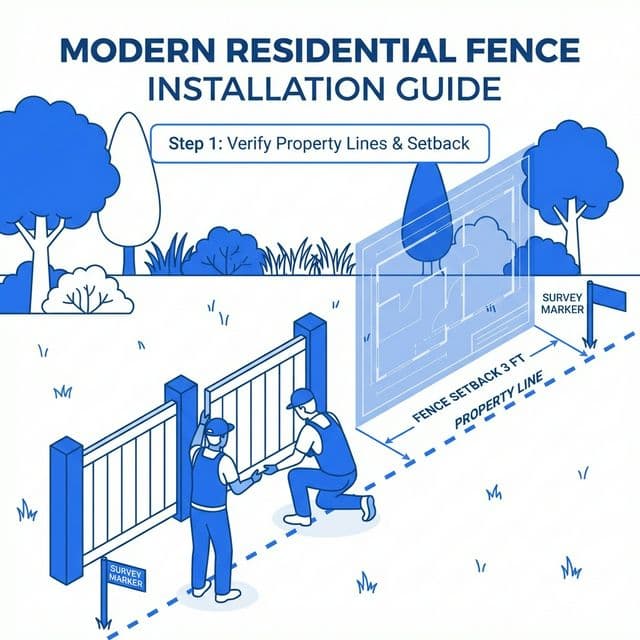
Direct Answer: In Rochester, MN, a residential fence 6 feet or less generally does not require a building permit, as long as it doesn't obstruct sightlines for drivers, per City of Rochester guidance and the Rochester Unified Development Code (UDC), Section 60.400.060.E. But "no building permit" is not the same as "no rules": the UDC still caps fences between the front of the house and the front lot line at 36 inches, bans chain link there, prohibits barbed wire and energized fencing citywide in residential and mixed-use districts, keeps fences at least 10 feet from where a driveway meets a street or alley, and limits fence height to 3 feet inside a corner lot's visibility triangle. Front-yard, corner-lot, and right-of-way-adjacent fences should be confirmed with the Community Development Department's Planning & Zoning Division before you build.
Verified against official municipal and state sources: July 13, 2026. Requirements change — confirm with the city before applying.
Key Takeaways
- Fences 6 feet or shorter generally don't need a building permit in Rochester, as long as they don't block vehicle sightlines (City of Rochester Fences, Walls and Hedges FAQ).
- The Rochester Unified Development Code, Section 60.400.060.E, caps fences between the front of the house and the front lot line at 36 inches and bans chain link there; fences elsewhere on the lot can reach 6 feet, or more with city approval.
- No fence, wall, or hedge may sit closer than 10 feet to where a driveway meets a street or alley, and none may block sightlines above 3 feet inside a corner lot's visibility triangle (UDC Section 60.400.060.E.7–8).
- Barbed wire and energized fences are prohibited in every residential and mixed-use zoning district in Rochester, regardless of height.
- Even when no building permit is required, the Planning & Zoning Division asks that you contact them before building a fence or wall in a front yard or along a road, driveway, sidewalk, or alley (Planning & Zoning).
- Minnesota's state building code, explained, governs structural construction statewide, but Rochester's fence height, setback, and sightline rules come from the city's own Unified Development Code, not the state building code.
The Practical Rule
Start with three questions: how tall is the fence, where does it sit on the lot, and does the property touch a street corner or driveway? The permit threshold is simple — a fence 6 feet or less that doesn't create a sightline hazard doesn't need a building permit (Fences, Walls and Hedges). That only answers the permit question, though. It doesn't waive UDC Section 60.400.060.E, which applies to every fence regardless of permit status: a 36-inch cap (and no chain link) for any fence between the front of your house and the front lot line, a 10-foot no-fence buffer around driveway intersections, and a 3-foot sightline cap inside a corner lot's visibility triangle. A permit-exempt fence can still violate the UDC if it's in the wrong place for its location — call Planning & Zoning before assuming the 6-foot rule alone covers you.
What to Check Before You Build
- Confirm you're inside Rochester city limits. This article covers the City of Rochester's Unified Development Code only; unincorporated Olmsted County and neighboring cities set their own zoning and may not follow the same fence rules — check the Olmsted County GIS map if you're unsure which jurisdiction applies.
- Locate your real property lines, not just a fence line or hedge row left by a previous owner. Rochester's UDC prohibits a fence, wall, or hedge from extending beyond or across a property line without a joint agreement with the abutting owner (UDC 60.400.060.E.1) — a survey or your recorded plat is the only reliable way to know where the line actually falls.
- Figure out whether the fence sits between the front of your house and the front lot line. That zone is capped at 36 inches and cannot be chain link in residential districts (UDC 60.400.060.E.4–5); fences elsewhere on a residential lot can go up to 6 feet without a permit.
- Check whether you're on a corner lot or near a driveway, sidewalk, street, or alley. Corner lots carry a 3-foot sightline cap inside the visibility triangle, and no fence may sit within 10 feet of a driveway-street or driveway-alley intersection (UDC 60.400.060.E.7–8). Call the Planning & Zoning Division at 507-328-2600 to confirm your specific setback and visibility-triangle dimensions before you dig any post holes.
- Check for easements and other restrictions. Fences aren't allowed in drainage easements, and a homeowners' association may impose its own limits on top of the city's. When in doubt about whether your project needs a zoning certificate, email communitydevelopment@rochestermn.gov before you buy materials.
What Rochester's Unified Development Code Says About Fence Height, Location, and Materials
UDC Section 60.400.060.E, "Fences, Walls, and Hedges," is the controlling ordinance for every fence in the city, whether or not it needs a building permit. The key standards:
| Rule | Requirement |
|---|---|
| Front-yard height | Max 36 inches between the front of the primary building and the front lot line, residential districts (60.400.060.E.4) |
| Front-yard material | No chain link in that same front-yard zone, residential districts (60.400.060.E.5) |
| Elsewhere on the lot | Max 6 feet above grade, with two narrow exceptions below (60.400.060.E.6) |
| Security exception | Up to 10 feet, only if the Community Development Director authorizes it through a zoning certificate for public safety or security (60.400.060.E.6.a) |
| Sloped-lot exception | May exceed 6 feet where an abutting lot's grade is higher, but not by more than 5 feet over that abutting grade (60.400.060.E.6.b) |
| Sidewalks and alleys | No closer than 18 inches to a public sidewalk, or within 5 feet of an alley right-of-way (60.400.060.E.2) |
| Barbed wire / electrified | Prohibited in all residential and mixed-use zoning districts (60.400.060.E.3) |
| Property lines | Cannot extend beyond or across a property line without the abutting owner's agreement (60.400.060.E.1) |
Retaining walls are treated separately: a retaining wall under 4 feet in height doesn't need a building permit either, though a zoning certificate can still apply (Fences, Walls and Hedges FAQ). All fences and walls, regardless of height, must also clear the National Electric Safety Code's overhead-line clearance requirements (UDC 60.400.060.E.10). The full ordinance text is in the city's Unified Development Code PDF, Section 60.400.060.E.
Corner Lots, Driveways, and Visibility Triangles
Two clearance rules in Section 60.400.060.E specifically target sightlines rather than just height. First, no fence, wall, or hedge may sit closer than 10 feet to where a driveway meets any right-of-way used for vehicular or pedestrian traffic, including an alley (60.400.060.E.7). Second, in any zoning district that requires a front or side-street building setback, no sight-obscuring or partly obscuring wall or fence may exceed 3 feet above curb grade anywhere inside the property's visibility triangle — the vertical measurement runs from the top of the curb on the nearest street, or from the edge of the traveled way if there's no curb (60.400.060.E.8). Practically, a corner-lot fence legal at 6 feet along a side yard can still violate the code if that same run continues into the visibility triangle near the corner. Because visibility-triangle dimensions depend on the specific street classification and lot geometry, the Planning & Zoning Division (507-328-2600, or the Zoning Compliance Liaison at 507-328-2955) is the authoritative source for where your triangle starts and ends — don't estimate it from the ordinance text alone.
Frequently Asked Questions
Does a 6-foot fence ever need a permit in Rochester?
Not typically for a building permit — the city's guidance exempts fences 6 feet or less as long as they don't obstruct vehicle sightlines. A fence over 6 feet is only allowed with a zoning certificate, and only for a narrow set of reasons (public safety/security, up to 10 feet, or a sloped-lot exception up to 5 feet over an abutting grade).
Can I build my fence exactly on the property line?
Rochester's ordinance says fences may be built up to the property line but not over it, and may not extend beyond or across the line unless you have a joint agreement with the abutting owner. Confirm the actual line with a survey or recorded plat before you build — the city doesn't verify boundary locations for you.
Is chain link allowed anywhere in Rochester?
Not in the zone between the front of your house and the front lot line in residential districts — that zone must be a non-chain-link material at 36 inches or under. Chain link is not addressed as prohibited elsewhere on the lot, but it must still meet the applicable height, barbed-wire, and location rules.
What if my property is on a corner?
Corner lots are subject to a 3-foot height cap for sight-obscuring fencing inside the visibility triangle near the intersection, on top of the general height rules. Call the Planning & Zoning Division before finalizing your fence plan, since the triangle's exact dimensions vary by street.
Do I need anything for a retaining wall instead of a fence?
Retaining walls under 4 feet don't need a building permit, but a zoning certificate may still be required depending on the location and use of the property.
Where do I apply if my project does need a permit or zoning certificate?
Rochester processes building permits and zoning certificates through the Accela Citizen Access online portal, or you can contact Building Safety at buildingsafety@rochestermn.gov / 507-328-2311, or Planning & Zoning at communitydevelopment@rochestermn.gov / 507-328-2600.
Verify Your Address
Fence rules in Rochester depend on exactly where the fence sits relative to your house, your property lines, and any street corner or driveway nearby — details that only your specific lot can answer. Before you buy materials, run a permit check or review GovCodex's Rochester permit catalog to see what your address actually requires, and see fence permit rules on height, setbacks, and property lines and what a zoning setback is for the underlying concepts. For Rochester's broader permitting process, see the Rochester building permit guide.
Related Articles
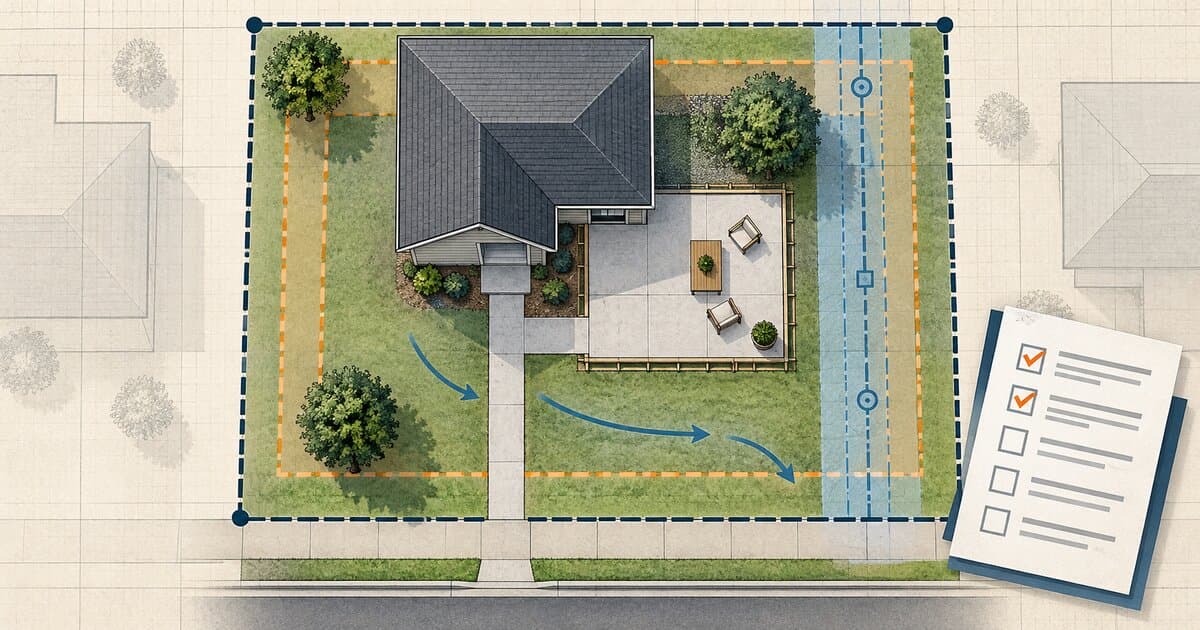
Do You Need a Permit to Pour Concrete? Patios, Slabs & Walkways
Pouring concrete may be permit-exempt or regulated depending on whether it is a patio, slab, walkway, driveway, structural base, or right-of-way work.
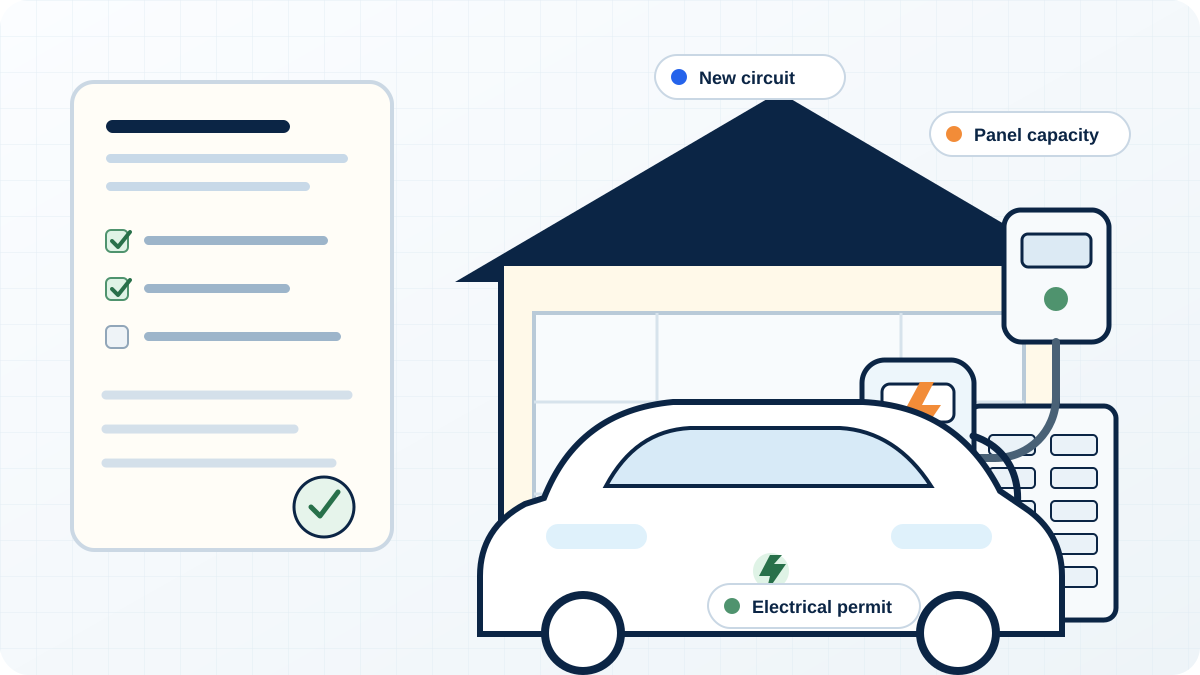
Do You Need a Permit for an EV Charger?
Learn when a home EV charger needs an electrical permit, when panel or service upgrades enter the project, and how inspection and utility coordination work.
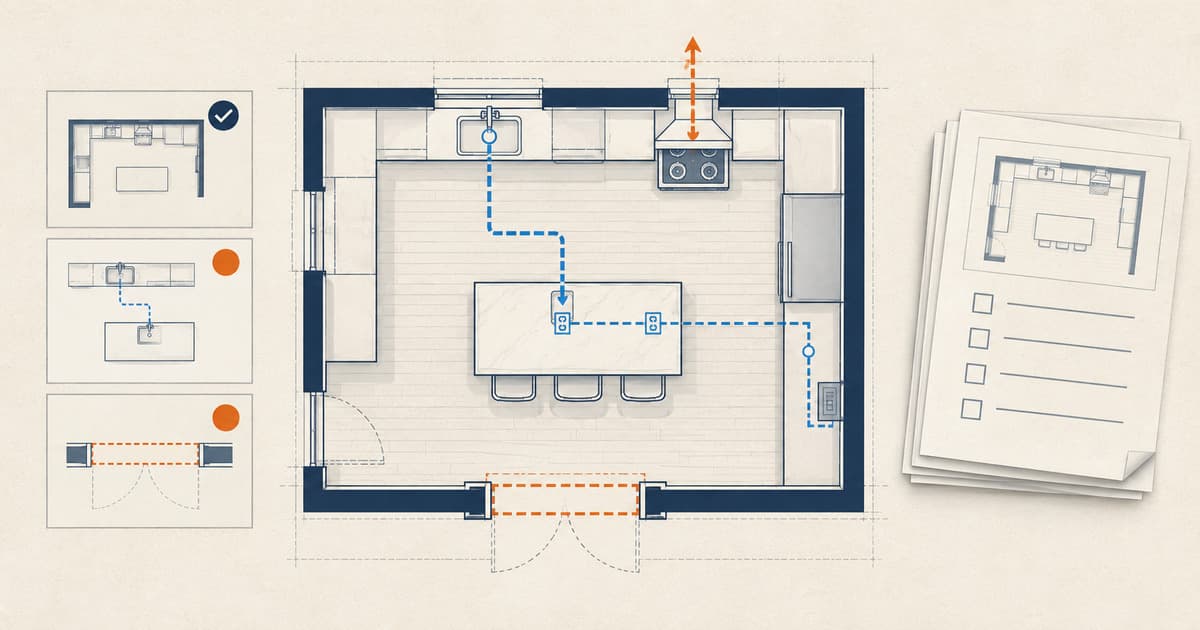
Do You Need a Permit for a Kitchen Remodel?
Learn when cabinets, sinks, islands, appliances, walls, wiring, plumbing, gas, or ventilation can change kitchen-remodel permit and inspection needs.