
Aurora, IL Building Permits: Department, Fees & Forms
Find the Aurora office, eTRAKiT permit tools, forms, and fee guidance. Check the property and project before you apply.
Start with the property and project
An Aurora mailing address alone does not establish City jurisdiction. Permit Check independently resolves the address and governing authority before it applies Aurora sources to the project scope.
Check this property and project against Aurora permit requirementsFor an in-City, source-backed result, GovCodex can prepare unsigned owner-review drafts for supported fence, deck, shed, residential garage, and residential addition scopes. Pool questions may need more facts, and no Aurora pool draft is available.

<!-- content-record: aurora-il-building-permit-guide -->
For a project inside the City of Aurora, start with the City's Building and Permits Division and its current permit process. Aurora says permit applications can be submitted through eTRAKiT, where customers can also pay fees, schedule inspections and monitor permit status. The City's Building and Permits office is at 77 S. Broadway, first floor, Aurora, IL 60505; the current contact number is 630-256-3130.
Check permit requirements for your Aurora property before relying on the city name alone. An Aurora mailing address does not prove City of Aurora permitting jurisdiction; nearby municipalities and unincorporated areas can use different authorities.
Direct answer: what work needs a permit in Aurora?
Aurora's current permit page says permits are required for, among other things:
- structural changes, new construction, additions and interior remodels;
- exterior work on historic property or property in the FoxWalk District;
- work in the public right-of-way;
- roofing;
- electrical, plumbing and mechanical work when the applicable permit trigger is met; and
- new or replacement structures such as decks, fences, garages, sheds, pergolas and gazebos.
The City also publishes specific no-permit examples, including interior cosmetic work such as painting, flooring and carpeting; same-size window replacement outside historic/FoxWalk conditions; certain water-heater replacement; low-voltage electrical work at 50 volts or less; and backyard patios not connected to a driveway, subject to zoning and green-space requirements.
Those examples are scoped. Zoning, historic review, right-of-way rules, trade work or project-specific conditions can still change the answer.
Start with the property, then the complete scope
The quickest useful permit answer begins with:
- The exact property. Confirm the parcel is in City of Aurora jurisdiction and identify zoning, historic, floodplain or other site conditions.
- The complete work scope. Include structural work, replacement, repair, demolition, electrical, plumbing, mechanical, gas, site work and any change of use.
A permit form is not proof that a project is allowed at a particular location. Building review, zoning review, historic review, right-of-way approval and trade permits answer different questions.
Aurora's permit process
Aurora currently describes a six-step process:
- Use the pre-permit checklist. The City recommends preparing the project before submittal.
- Apply for the permit. Submit the application, required documents and the application fee. Aurora says applications can be submitted through eTRAKiT.
- Complete review. More than one department or agency may need to approve the project.
- Pay remaining fees and satisfy contractor requirements. Aurora requires applicable contractor licensing/registration conditions before permit issuance.
- Receive the permit. The issued permit shows the site address, expiration, conditions and required inspections.
- Schedule inspections. Follow the inspection order printed on the permit and keep the permit active.
The City says permits typically expire after six months of inactivity. Treat the issued permit itself as the controlling record for the actual project.
Common Aurora residential permit paths
Aurora's current Permit List includes project-specific residential and residential/commercial forms. Examples include:
| Project | Current City permit path |
|---|---|
| New garage | Residential permit application |
| Addition | Single-family/duplex addition application |
| Remodel | Single-family residential remodel application |
| Accessory structure | Residential/commercial accessory-structure application |
| Fence | Residential/commercial fence application |
| Driveway | Residential/commercial driveway application |
| Demolition | Residential/commercial demolition application |
| Furnace / AC | Residential/commercial mechanical application |
| EV charging | Dedicated EV charging application |
| Right-of-way obstruction | Dedicated right-of-way application |
This list should be used to identify the current form, not to infer that every project follows the same submittal or review path.
When Aurora says a permit is not required
Aurora currently lists several useful examples:
- interior cosmetic work such as painting, flooring and carpeting;
- siding, except on historic/FoxWalk properties;
- same-size window replacement, except on historic/FoxWalk properties;
- water-heater replacement, except when changing from tank to tankless;
- backyard patios that are not connected to a driveway, while noting zoning green-space requirements;
- low-voltage electrical work at 50 volts or less; and
- sewer work on private property, while noting that interior plumbing or right-of-way work can require permits.
The City can amend these rules. Confirm the current page for the actual scope, especially when the project mixes an exempt item with structural, trade, historic or right-of-way work.
Patios, green space and site constraints
Aurora's current permit page specifically says a backyard patio not connected to a driveway can be permit-exempt while still being subject to zoning green-space requirements.
That distinction matters. Concrete, pavers and other hardscape can affect lot coverage, drainage, setbacks, easements or future buildable area even when a building permit is not required.
For a broader framework, see Do You Need a Permit for a Concrete Patio or Walkway?.
Historic and FoxWalk properties
Aurora says exterior work on historic property or property in the FoxWalk District always requires a permit. If the property is within one of those areas, do not use a same-size window, siding or other general exemption without checking the historic/project-specific path.
Historic review and building review can require different evidence. Establish the property's status before ordering custom materials.
Right-of-way work
Aurora says work in the public right-of-way requires a permit and may require a licensed Public Works contractor. Keep private-property work separate from sidewalks, driveway aprons, curb, street, parkway or other public-way work.
A backyard or private-property exemption should never be extended across the property line into the public right-of-way.
Forms and supporting documents
Aurora's Permit List is the best current index for project forms. Depending on the scope, an application can require plans, a plat or survey, contractor information, product information or other supporting documents.
Before applying:
- confirm the permit family;
- download the current form rather than reusing an old PDF;
- identify every trade involved;
- prepare the site information the form asks for;
- include an email contact so the City's automated status messages can reach the applicant; and
- keep revisions tied to the permit record.
Fees: use the 2026 schedule and the project record
Aurora publishes a 2026 Permit Fee Schedule and also directs applicants to eTRAKiT for fee estimates. The total can include application, permit, plan-review, inspection, certificate or project-specific charges.
Do not treat an application payment as the complete permit cost. Use the City's current fee schedule and the actual permit calculation for the project. Aurora says outstanding permit fees must be paid before issuance.
Contractors and owner-performed work
Aurora's permit process says applicable contractors must satisfy City licensing requirements before permit issuance. The City also publishes a contractor registration form.
For owner-occupied homes, Aurora's current permit page says a homeowner may complete a Homeowner Liability Waiver when the property is owner occupied and will remain owner occupied for at least six months. That does not mean every licensed trade requirement disappears; confirm the current rule for the specific work.
Inspections and permit closeout
Aurora says required inspections are listed on the issued permit in sequence. Schedule them in that order and do not cover work before a required inspection.
Keep the application, approved plans, permit, corrections, inspection results and final records together. A permit left inactive can expire, and complete records can matter when the property is sold or modified later.
What GovCodex can help with
GovCodex Permit Check starts with the address and project rather than a generic form. For an Aurora property it can help organize:
- the likely permitting authority;
- the project and overlapping permit families;
- zoning, site, historic and right-of-way questions;
- the official-source trail behind the result; and
- the current forms and next steps to investigate.
For reviewed Aurora scopes, GovCodex may also be able to organize information into an unsigned preparation draft for owner review. A draft does not file, pay for or obtain a City permit.
Run Permit Check for your Aurora address.
Frequently asked questions
Do I need a permit for a backyard patio in Aurora?
Aurora currently lists backyard patios not connected to a driveway among work that does not require a permit, while specifically warning that zoning green-space requirements still apply. Other project features can change the result.
Do I need a permit to replace windows?
Aurora says same-size window replacement does not require a permit except on historic property or property in the FoxWalk District. Enlarging an opening or doing structural work is a different scope.
Does roofing require a permit in Aurora?
Yes. Aurora's current permit page says roofing work always requires a permit.
Do decks, fences, garages and sheds require permits?
Aurora says new or replacement structures such as decks, fences, garages, sheds, pergolas and gazebos require permits.
Can I apply online?
Yes. Aurora directs permit applications to the eTRAKiT online portal and says the portal supports applications, fee payment, inspection scheduling and permit monitoring.
Does an Aurora mailing address mean the City is my permitting authority?
No. Resolve the parcel and jurisdiction first. The mailing city is not enough to identify the issuing authority.
Official sources and freshness
Official sources rechecked September 30, 2026:
- City of Aurora Permits
- City of Aurora Permit List
- City of Aurora Permit Fee Schedule
- City of Aurora Division of Building and Permits
- City of Aurora eTRAKiT portal
- GovCodex Aurora authority record
Requirements, fees, forms and review steps can change. Confirm the City's current instructions for the actual property and project before construction or filing.
Related Articles
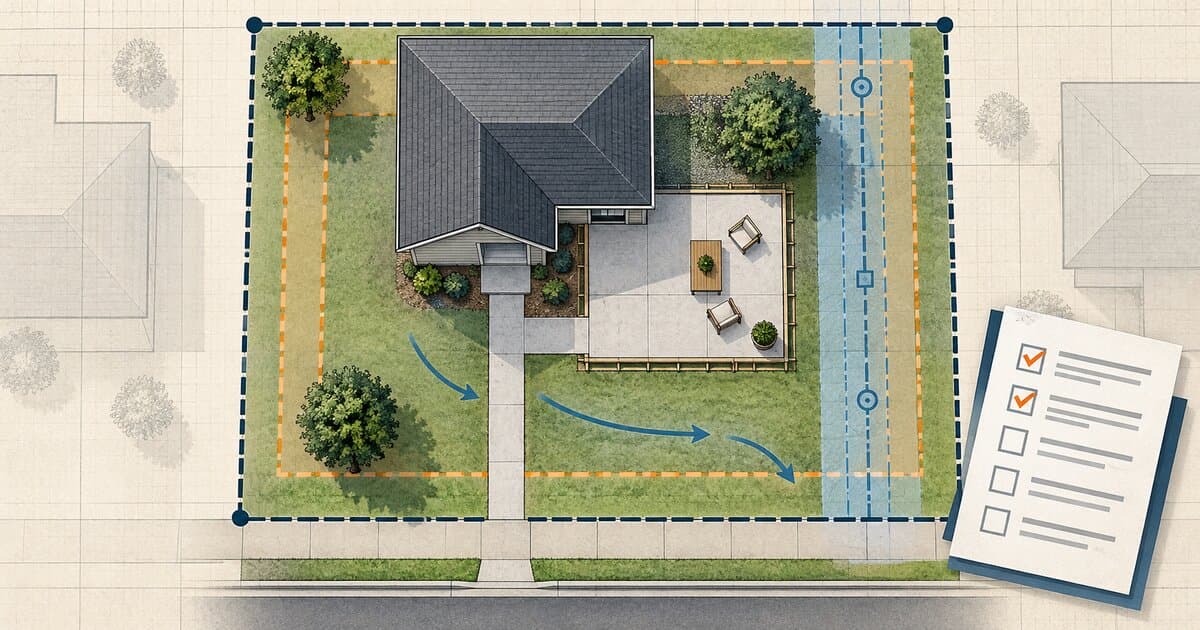
Do You Need a Permit to Pour Concrete? Patios, Slabs & Walkways
Pouring concrete may be permit-exempt or regulated depending on whether it is a patio, slab, walkway, driveway, structural base, or right-of-way work.
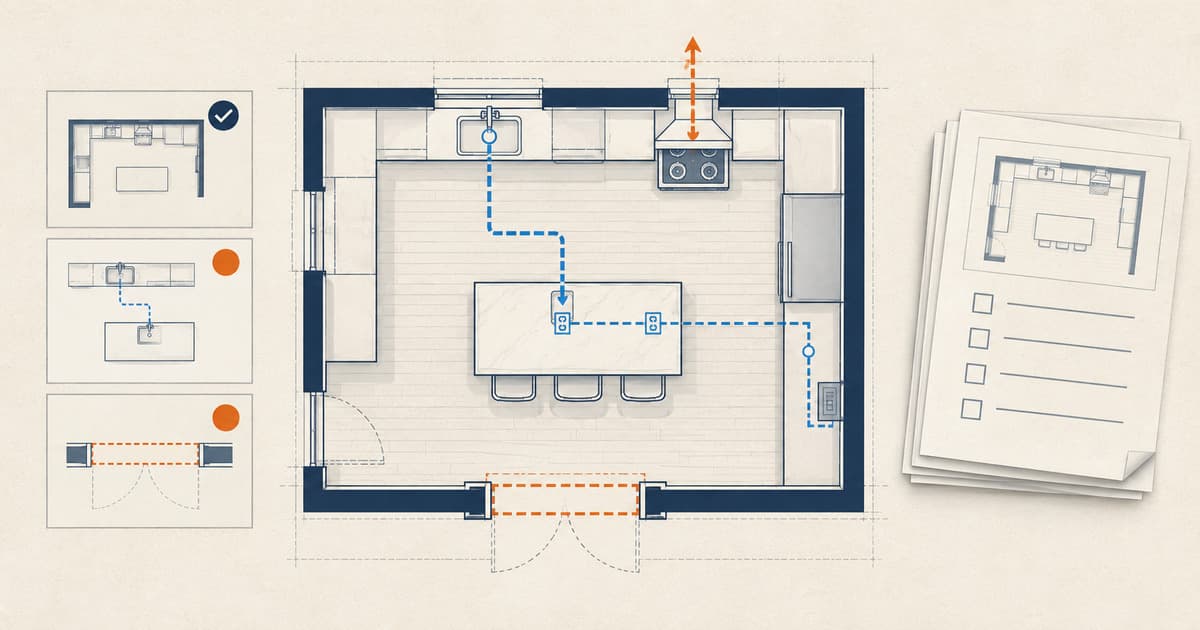
Do You Need a Permit for a Kitchen Remodel?
Learn when cabinets, sinks, islands, appliances, walls, wiring, plumbing, gas, or ventilation can change kitchen-remodel permit and inspection needs.

Do You Need a Permit to Finish a Basement?
Learn when a basement finish needs a permit, what changes for bedrooms and bathrooms, and which inspections come before drywall.