
Getting a Building Permit in Chicago: Permit Types, Review Paths, and What Triggers One
A city-specific guide to how Chicago's Department of Buildings issues building permits, covering the Express Permit Program, Standard Plan Review, Self-Certification, Developer Services, zoning review, and landmark requirements.
Direct Answer: The Chicago Department of Buildings (DOB) issues every building permit inside city limits, applying the Chicago Construction Codes (Municipal Code Titles 14A–14X) and, for zoning matters, the Chicago Zoning Ordinance (Title 17). Depending on scope, applicants use one of four DOB paths: the Express Permit Program for small repair-and-replace work, Standard Plan Review for most construction and alteration projects, Self-Certification for registered design professionals, or Developer Services for large developments. Every building permit application also functions as a request for zoning certification, and landmark properties need a separate Certificate of Appropriateness before DOB will issue a permit.
Verified against official City of Chicago sources: July 10, 2026. Requirements change — confirm with the Department of Buildings before applying.
Key Takeaways
- DOB issues building permits under the Chicago Construction Codes, organized as Titles 14A (Administrative) through 14X (Existing Buildings) of the Municipal Code.
- Small repair-or-replace projects that don't need drawings go through the Express Permit Program (EPP), which replaced the older paper Easy Permit, short-form, and solar-express processes in November 2023 and expanded further in September 2024.
- Most new construction, additions, and alterations go through Standard Plan Review (SPR), DOB's core plans-based track.
- Registered Self-Certification professionals — Illinois-licensed architects or structural engineers with added DOB training — can certify SPR-eligible projects themselves.
- Large projects on DOB's Developer Services list (high-rises over 80 ft, non-residential over 150,000 sq ft, residential with 50+ units, schools over 60,000 sq ft) go through third-party review.
- Every permit application doubles as a zoning certification request, and landmark work needs a Certificate of Appropriateness before DOB can issue a permit.
Scope note: This article covers permitting inside the City of Chicago only. Suburban and collar-county municipalities operate their own building departments, codes, and processes.
Which City Department Handles Chicago Building Permits?
The Department of Buildings reviews and issues all building permits citywide, applying the Chicago Construction Codes. These live in Titles 14A–14X of the Municipal Code (Title 14 itself is reserved): 14A Administrative Provisions, 14B Building Code (based on the 2018 IBC), 14E Electrical, 14F Fire Prevention, 14G Fuel Gas, 14M Mechanical, 14N Energy Transformation (based on the 2021 IECC), 14P Plumbing, 14R Building Rehabilitation, and 14X Minimum Requirements for Existing Buildings. This code set applies to most permits started on or after August 1, 2020, and DOB posts ongoing amendments — including 2026 budget-ordinance changes — on its Chicago Construction Codes page. Illinois is a home-rule state, so Chicago's codes are their own local layer atop the model codes; see Illinois Building Codes and Local Control, Explained for how that works statewide.
What Work Actually Requires a Permit — and What's Exempt?
DOB publishes a specific exempt-repairs list, codified at Municipal Code 14A-4-402.2 and explained on its When Is a Building Permit NOT Required? page. Exempt work generally includes: nonstructural repairs that don't cut into an exterior or interior wall, subfloor, or roof, and don't touch a structural beam, column, required exit, or mechanical/electrical/plumbing system; interior finishes (paint, wallpaper, carpet, tile, hardwood); repairing window or door glass and in-kind ground-level window replacement; limited roof repair (up to 25% of a roof surface) that doesn't cut into the wall or roof structure, plus — on residential roofs with at least a 2:12 pitch — roof repair, recover, or replacement; minor electrical work like replacing a bulb or plugging equipment into an existing outlet; and, in buildings of three units or fewer and three stories or less, in-kind replacement of water heaters, furnaces, AC condensers, toilets, sinks, and tubs.
Almost everything else — new construction, additions, structural repairs, most electrical/plumbing/mechanical work beyond in-kind swaps, decks, garages, signs, demolition, and changes of use — needs a permit. If you're unsure whether a project is a building, zoning, or trade-specific permit, see Building vs. Zoning vs. Electrical vs. Plumbing Permits.
What Are Chicago's Building Permit Review Paths?
| Review Path | Best For | Plans Required? | How It's Reviewed |
|---|---|---|---|
| Express Permit Program (EPP) | Repair/replace work and small improvements — fences, reroofing, porch/deck/fire-escape repair, small-scale residential solar, electrical-only work, minor interior alterations | No | Submitted online through the Permit Portal; DOB staff review, often same day |
| Standard Plan Review (SPR) | Most new construction, additions, alterations, tenant build-outs | Yes | Plans submitted via E-Plan; a DOB Project Manager coordinates department reviews |
| Self-Certification | SPR-eligible projects designed by a registered Self-Certification Professional | Yes | Certified directly by the Illinois-licensed architect/structural engineer under DOB rules |
| Developer Services (DS) | Large projects: high-rises over 80 ft, non-residential over 150,000 sq ft, residential with 50+ units, schools over 60,000 sq ft | Yes | Reviewed by a City-selected third-party firm; a DOB Project Administrator is the single point of contact |
The Express Permit Program is the modern name for what many still call the "Easy Permit." DOB retired the paper-based Easy Permit, short-form, and solar-express processes in November 2023, then expanded EPP in September 2024 to add electrical-only permits, porch/deck repairs, monthly electrical/plumbing maintenance permits, fire alarm submittals, and stormwater plan approvals. Full eligibility by work type is on DOB's EPP eligibility page.
Who Can Apply for a Chicago Building Permit?
For plan-based permits (SPR, Self-Certification, Developer Services), only Illinois-licensed architects, Illinois-licensed structural engineers, and City-licensed expediters can create an account in the Permit Portal to start and process the application. Express Permit Program applications are more open: a homeowner, business, building owner, tenant, or licensed contractor can apply directly.
Chicago also requires a licensed General Contractor for most "regulated activity" — work needing a DOB building, demolition, or sewer permit — done for compensation, as an investment, or with intent to sell or lease. A narrow owner exemption lets an individual act as their own general contractor, without a license, on their own primary residence if it has six or fewer dwelling units and no building taller than three stories, limited to one property per calendar year; the exemption never covers demolition permits or excavation notices. See DOB's general contractor FAQ.
How Does Zoning Review Fit Into the Process?
Under Chicago Zoning Ordinance Section 17-13-1300, no building permit can be issued until the Zoning Administrator's office certifies the proposed work complies with the Zoning Ordinance (Title 17). Every permit application is treated as that certification request — DOB and Planning and Development review plans against the district's use, height, bulk, and setback rules before issuing a permit. That's separate from the Certificate of Zoning Compliance, which only applies when selling residential property with five or fewer units. Confirm your zoning district before applying — a disallowed use generally can't get a permit without a zoning change or variance.
Is Your Property a Chicago Landmark?
If your property is a designated Chicago landmark, sits in a landmark district, or has a pending landmark recommendation, the Historic Preservation Division reviews your permit for the Commission on Chicago Landmarks before DOB can issue anything. Exterior alterations, additions, partial demolition, or protected-interior changes generally need a Certificate of Appropriateness (COA) from the Commission first. Routine work is often approved administratively; larger changes may need a public hearing. Check your address against the City's landmark designations before applying — COA review adds its own step and timeline.
What Does a Chicago Building Permit Cost?
Permit fees are set by ordinance and vary by project type, square footage, and scope, so this guide won't quote dollar figures. DOB's official permit fee calculator estimates cost from construction type, occupancy, and area, and fee tables are updated periodically, most recently under the 2026 budget ordinances. For general background on how permit fees are typically structured, see How Much Does a Building Permit Cost? — but confirm your project's actual fee with DOB's calculator or your Project Manager before budgeting.
How Do I Apply for a Chicago Building Permit?
- Confirm your property's zoning district and check whether it's a designated landmark or in a landmark district.
- Match your scope of work to a review path — Express Permit Program, Standard Plan Review, Self-Certification, or Developer Services.
- Determine whether you need a licensed general contractor, or whether the owner exemption applies.
- If plans are required, hire an Illinois-licensed architect or structural engineer — required for Permit Portal access on plan-based tracks.
- Create or use your Permit Portal account (design professionals/expediters), or apply directly through the Express Permit Program (homeowners, businesses, contractors) for eligible work.
- Submit the application with required drawings, surveys, or documentation — this also serves as your zoning certification request.
- If the property is a landmark, secure a Certificate of Appropriateness from the Commission on Chicago Landmarks before or alongside permit review.
- Respond to plan review comments from DOB, the third-party reviewer, or your Self-Certification review.
- Pay applicable fees and receive your issued permit before starting work.
- Schedule and pass required inspections as work proceeds.
For a fuller document checklist covering most residential projects, see Permit Application Checklist for Home Renovations.
Frequently Asked Questions
Is the "Easy Permit Process" still a thing in Chicago?
Not by that name. DOB retired the paper-based Easy Permit, short-form, and solar-express processes in November 2023 and replaced them with the web-based Express Permit Program (EPP), which covers the same repair-and-replace work plus categories added in a September 2024 expansion.
Can I pull my own building permit without hiring a licensed contractor?
Only in limited cases. DOB's owner exemption lets an individual act as general contractor without a license on their own primary residence, provided it has six or fewer units, no building over three stories, and the exemption is used only once per calendar year — it never covers demolition or excavation work. See DOB's general contractor licensing FAQ.
Does zoning review happen separately from my building permit application?
No — a building permit application is treated as a request for zoning certification under Section 17-13-1300 of the Zoning Ordinance, and DOB won't issue a permit until that certification is complete.
What if my building is a designated Chicago landmark?
You'll generally need a Certificate of Appropriateness from the Commission on Chicago Landmarks, reviewed by the Historic Preservation Division, before DOB can issue a building permit for exterior work, additions, partial demolition, or protected interior changes.
Verify the Rules for Your Property
Permit rules, review paths, and fees can change, and DOB updates its own pages regularly. Before you apply, check GovCodex's Chicago permit catalog for the current permit types tied to your project, or run a permit check to see what your specific address and project actually require.
Related Articles
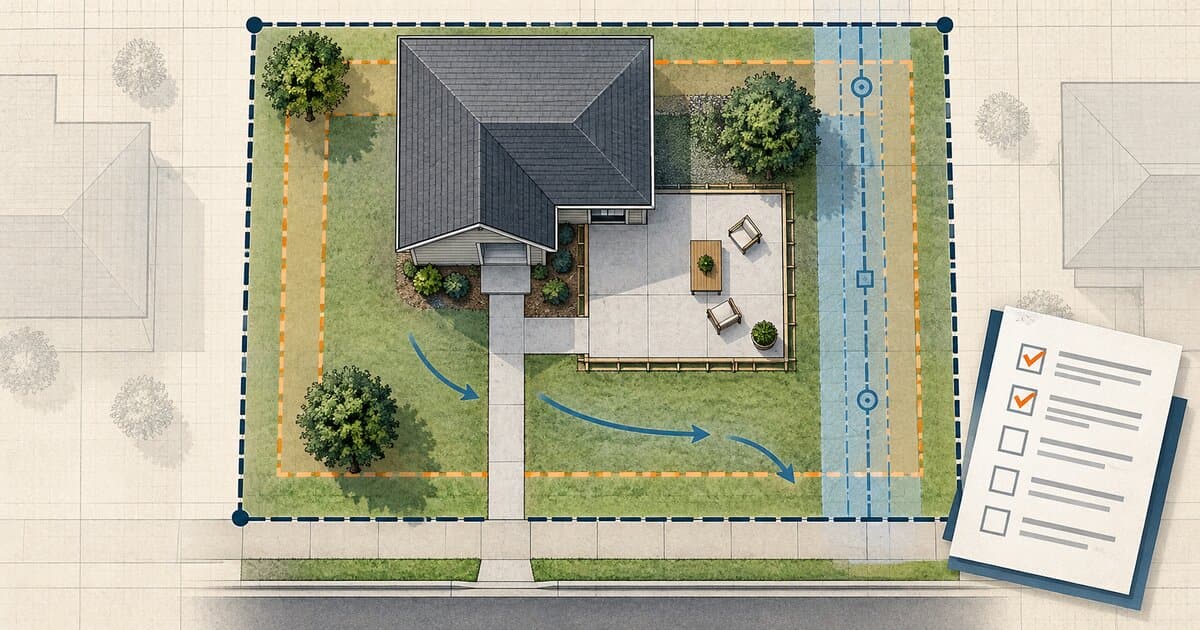
Do You Need a Permit to Pour Concrete? Patios, Slabs & Walkways
Pouring concrete may be permit-exempt or regulated depending on whether it is a patio, slab, walkway, driveway, structural base, or right-of-way work.
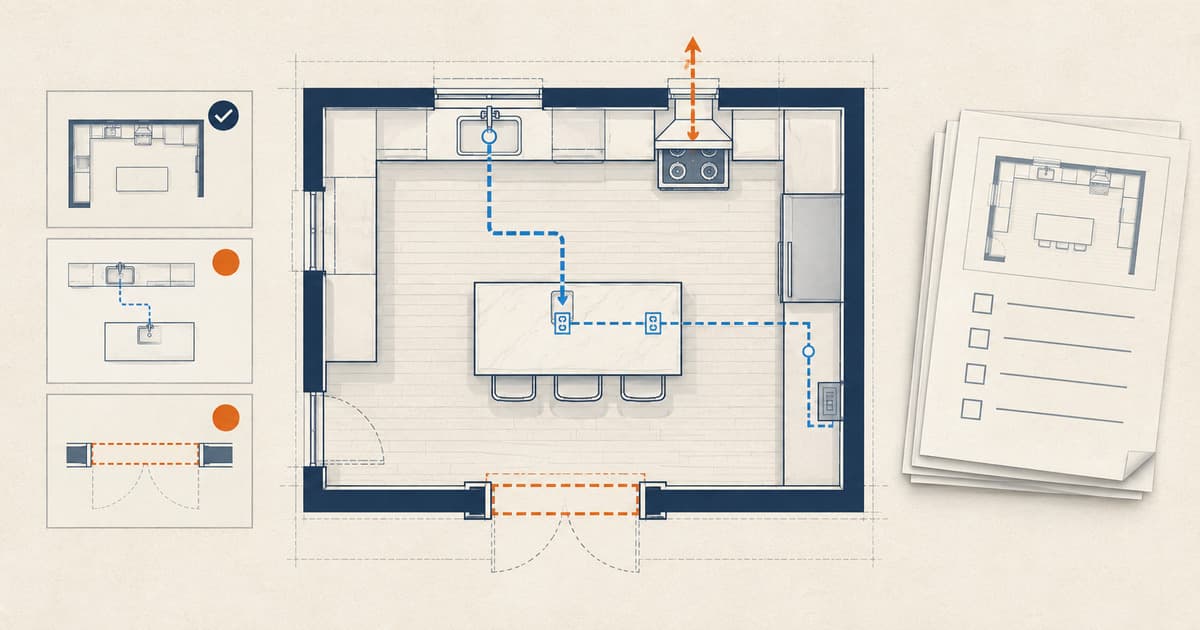
Do You Need a Permit for a Kitchen Remodel?
Learn when cabinets, sinks, islands, appliances, walls, wiring, plumbing, gas, or ventilation can change kitchen-remodel permit and inspection needs.

Do You Need a Permit to Finish a Basement?
Learn when a basement finish needs a permit, what changes for bedrooms and bathrooms, and which inspections come before drywall.