
Milwaukee County Suburbs: Every City and Village Issues Its Own Permits — Here's How to Navigate Yours
Milwaukee County's 19 municipalities each run their own building permit office under the shared statewide Uniform Dwelling Code — here's how Shorewood, Whitefish Bay, Franklin, Wauwatosa, West Allis, and the rest actually differ.
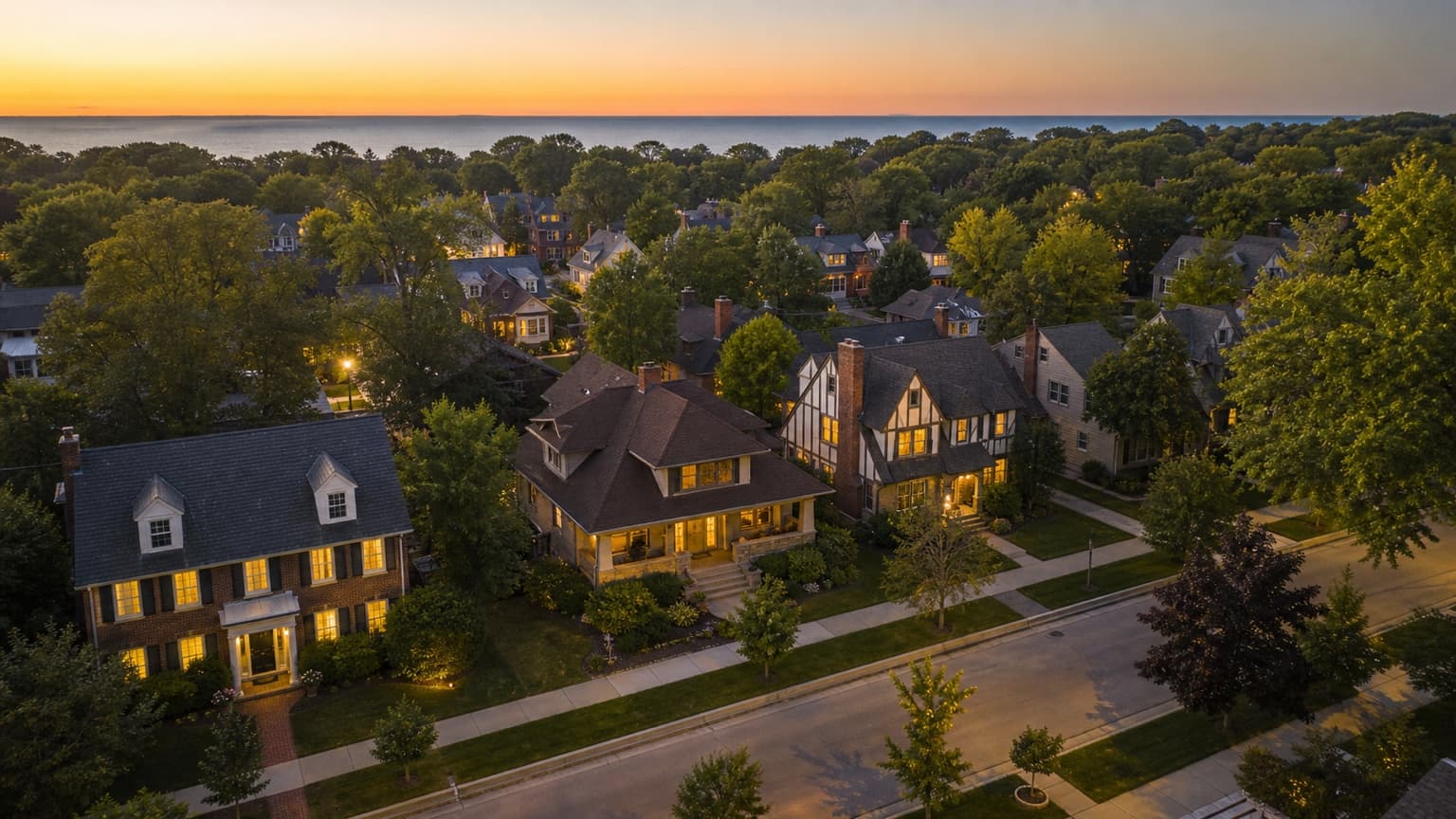
Direct Answer: Milwaukee County has 19 municipalities — the City of Milwaukee plus 18 suburbs — and every one of them, not the county, issues its own building permits. Because Milwaukee County is Wisconsin's only fully incorporated county (no unincorporated "town" land exists anywhere in it), the county government has no building-permit authority at all; that job belongs entirely to each city and village's own building inspection department. Every municipality enforces the same statewide Wisconsin Uniform Dwelling Code (SPS 320-325) for one- and two-family homes, but each sets its own forms, fees, review process, and local zoning on top of it. Assuming City of Milwaukee's rules, portal, or fee schedule apply in a suburb like Shorewood or Franklin is one of the most common — and costly — mistakes homeowners make.
Verified against official municipal sources: July 12, 2026. Requirements change — confirm with your municipality's building inspector before applying.
Key Takeaways
- Milwaukee County has 19 municipalities — 10 cities and 9 villages — and the county itself is fully incorporated, so it issues zero building permits (Wikipedia, Milwaukee County, Wisconsin; Milwaukee County Municipalities directory).
- Every suburb runs its own building inspection department, forms, and fee schedule — even though all of them enforce the same statewide Wisconsin Uniform Dwelling Code (SPS 320-325) for 1-2 family homes (DSPS UDC program).
- City of Milwaukee's own dwelling code and zoning ordinances (Chapters 240 and 295 of its municipal code) apply only inside Milwaukee's city limits — not in any suburb (Milwaukee Code Ch. 240).
- Wauwatosa and West Allis have moved permit intake online — Wauwatosa via a self-service portal, West Allis via an online plan-submission portal plus email intake — rather than the "print, mail, wait" process common in smaller municipalities (Wauwatosa Building Permits; West Allis Building Permits).
- Milwaukee County's own permitting role is narrow: excavation and driveway work in county highway rights-of-way, and use of county park facilities — not building permits (Milwaukee County DOT Permits).
- Always confirm you're on your specific municipality's site — Shorewood, Whitefish Bay, Franklin, Glendale, and every other suburb maintain separate building departments with separate contact numbers and forms.
How Many Municipalities Are in Milwaukee County?
Milwaukee County contains 19 municipalities total: 10 cities and 9 villages (Milwaukee County Municipalities):
Cities: Milwaukee, West Allis, Wauwatosa, Greenfield, Oak Creek, Franklin, Cudahy, Glendale, South Milwaukee, and St. Francis.
Villages: Shorewood, Whitefish Bay, Fox Point, Brown Deer, Bayside, River Hills, Hales Corners, Greendale, and West Milwaukee.
Milwaukee County is unusual nationally, and unique among Wisconsin's 72 counties, in that it is completely incorporated — every acre belongs to a city or village, and there is no unincorporated "town" land left anywhere in the county (Milwaukee County, Wisconsin — Wikipedia). That has a direct, practical consequence for anyone pulling a permit: there is no county building department to fall back on. Whatever your address, your building permit comes from your city or village hall, full stop.
Does Milwaukee County Government Issue Building Permits?
No. Because the county has no unincorporated land, it has no building code to enforce and no building-permit function — that authority sits entirely with the 19 municipal governments. What Milwaukee County does permit is narrow and separate from building permits:
- County highway right-of-way work. The Milwaukee County Department of Transportation issues permits for driveway/street-entrance construction, excavation, and other work within the county highway right-of-way, under Chapter 67 of the county code (Milwaukee County DOT Permits; Milwaukee County Code Ch. 67, Public Way Permits).
- County park facility use. Milwaukee County Parks issues its own permits for using park land and facilities (picnics, events, and similar activities), separate from anything your municipality issues (Milwaukee County Parks — Get a Permit). If your project touches county park or parkway land, check with Milwaukee County Parks in addition to your municipal building department.
Everything else — new construction, additions, decks, garages, electrical, plumbing, HVAC, occupancy — goes through your city or village, not the county.
What Building Code Applies Across the Suburbs?
Every Milwaukee County municipality enforces the same base code for one- and two-family dwellings: Wisconsin's Uniform Dwelling Code, Wis. Admin. Code Chs. SPS 320-325. The UDC is a true statewide code — municipalities can't adopt a stricter or looser version of it — but it's administered and enforced locally by each municipality's own certified building inspector (DSPS, One- & Two-Family (Uniform Dwelling Code)). That's why the underlying construction standards (framing, energy code, egress, and so on) stay consistent from Shorewood to Franklin, while the paperwork, fee schedule, submission method, and — critically — the zoning rules layered on top (setbacks, lot coverage, height limits) are entirely local. For a fuller breakdown of what the UDC does and doesn't cover, see GovCodex's guide to the Wisconsin Uniform Dwelling Code.
How Do Individual Suburbs Actually Handle Permits?
Every one of the 19 municipalities publishes its own permit process. Below are six we verified directly against official sources — treat this as a sample of what to expect, not a complete directory.
| Municipality | Building Department | Official Source |
|---|---|---|
| Village of Shorewood | Planning & Development Department | villageofshorewood.org |
| Village of Whitefish Bay | Building Services | wfbvillage.gov |
| City of Franklin | Inspection Services | franklinwi.gov |
| City of Glendale | Building Inspection Department | glendalewi.gov |
| City of Wauwatosa | Building & Safety Division | wauwatosa.net |
| City of West Allis | Building Inspection & Neighborhood Services (BINS) | westalliswi.gov |
A few distinctive details worth knowing before you assume every suburb works the same way:
- Shorewood accepts permits by mail, hand delivery, or email to its Planning & Development Department, states most permits are reviewed within 2-3 business days of submission, and can charge triple the normal fee for unpermitted work (Village of Shorewood, Building, Trade and Other Permits).
- Whitefish Bay requires a permit before any applicable work begins and warns that skipping the permit results in a fee four times the normal amount; inspections should be scheduled up to 48 hours in advance (Village of Whitefish Bay, Building Services).
- Franklin runs permitting through its Inspection Services department and requires first-time applicants to set up an account in the BS&A Online Portal with a City-issued PIN before submitting (City of Franklin, Inspection Services).
- Glendale has moved to an online system called Community Core for submitting and paying for permits electronically, while still accepting paper submittals with cash or check at City Hall (City of Glendale, Building Inspection Department).
Do Wauwatosa and West Allis Really Use Online Portals?
Yes. Wauwatosa offers a self-service online portal where residents and contractors submit building, occupancy, mechanical, and sign permit applications, upload documents, and pay fees entirely online, without a trip to City Hall (City of Wauwatosa, Building Permits). West Allis runs plan review through its own online plan-submission portal for building, HVAC, and plumbing permits, and its Building Inspection & Neighborhood Services (BINS) division accepts applications and plans by email rather than requiring an in-person drop-off (City of West Allis, Building Permits). Both are further along than several smaller suburbs, which still lean on downloadable PDF forms submitted in person or by mail — don't assume the process in one municipality matches the next.
What's the Most Common Mistake Homeowners Make?
Assuming City of Milwaukee's rules apply outside the city. The City of Milwaukee has its own One- and Two-Family Uniform Dwelling Code chapter (Chapter 240) and its own zoning code (Chapter 295) in its municipal code of ordinances — both apply strictly within Milwaukee's city limits (Milwaukee Code of Ordinances, Ch. 240; Ch. 295). A homeowner in Shorewood or Wauwatosa who pulls up a City of Milwaukee permit guide or setback table is reading rules that don't govern their property. Every suburb has its own local ordinances for zoning, setbacks, and permit fees on top of the shared statewide UDC — GovCodex's guide to building permits in the City of Milwaukee is specific to the city, not the county. Setbacks in particular vary block by block once you cross a municipal line — see what a setback actually is before checking your suburb's numbers.
How Do I Find My Municipality's Inspector and Permit Catalog Quickly?
The fastest route is your city or village's own website — search "[your municipality] building inspection" or "[your municipality] permits" — since none of the 19 share a portal, phone line, or fee schedule. If you'd rather not hunt through 19 different municipal websites one at a time, GovCodex maintains a permit catalog for every Wisconsin municipality, including Shorewood, Whitefish Bay, and Franklin, plus a Milwaukee County directory that links out to every suburb's own listing.
Frequently Asked Questions
Does Milwaukee County issue building permits?
No. Milwaukee County is fully incorporated with no unincorporated land, so it has no building-permit function. Your permit comes from your city or village government (Milwaukee County Municipalities).
I live in Shorewood — can I use the City of Milwaukee's permit process?
No. Shorewood is a separate municipal government with its own Planning & Development Department, forms, and fee schedule; the City of Milwaukee's permit system only covers properties inside Milwaukee's city limits (Village of Shorewood, Building, Trade and Other Permits).
Are building codes different from suburb to suburb?
The core construction code for one- and two-family homes is the same everywhere in Wisconsin — the statewide Uniform Dwelling Code (SPS 320-325) — but each municipality enforces it locally and layers its own zoning ordinance (setbacks, lot coverage, height limits) on top, so the permit process and site rules differ by municipality even though the base construction code doesn't (DSPS UDC program).
What if my project touches a county road or county park?
That's one of the few places Milwaukee County itself is directly involved — you may need a separate county right-of-way permit from the Department of Transportation or a park-use permit from Milwaukee County Parks, in addition to your municipal building permit (Milwaukee County DOT Permits; Milwaukee County Parks — Get a Permit).
Verify the Rules for Your Property
Every one of Milwaukee County's 19 municipalities runs its own permit process, and getting it wrong — using the wrong forms, the wrong fee schedule, or City of Milwaukee's rules in a suburb — costs real time. Browse GovCodex's Milwaukee County directory for links to every suburb's permit catalog, or run a permit check on your specific address to see the exact requirements, forms, and building department contact for your property before you apply.
Related Articles
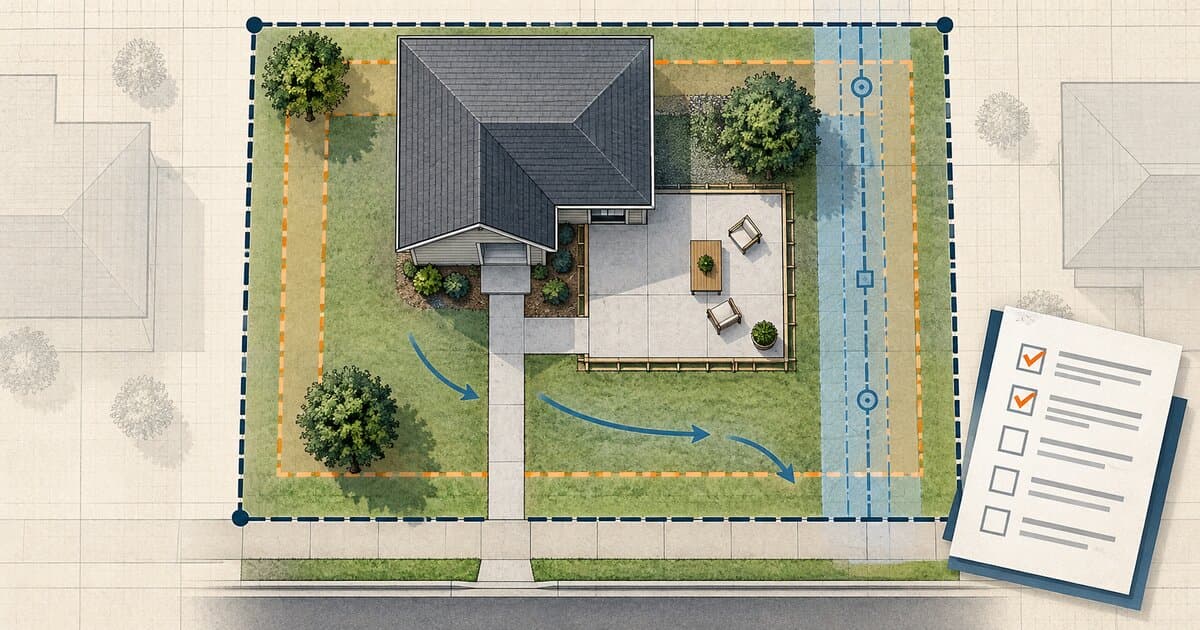
Do You Need a Permit to Pour Concrete? Patios, Slabs & Walkways
Pouring concrete may be permit-exempt or regulated depending on whether it is a patio, slab, walkway, driveway, structural base, or right-of-way work.
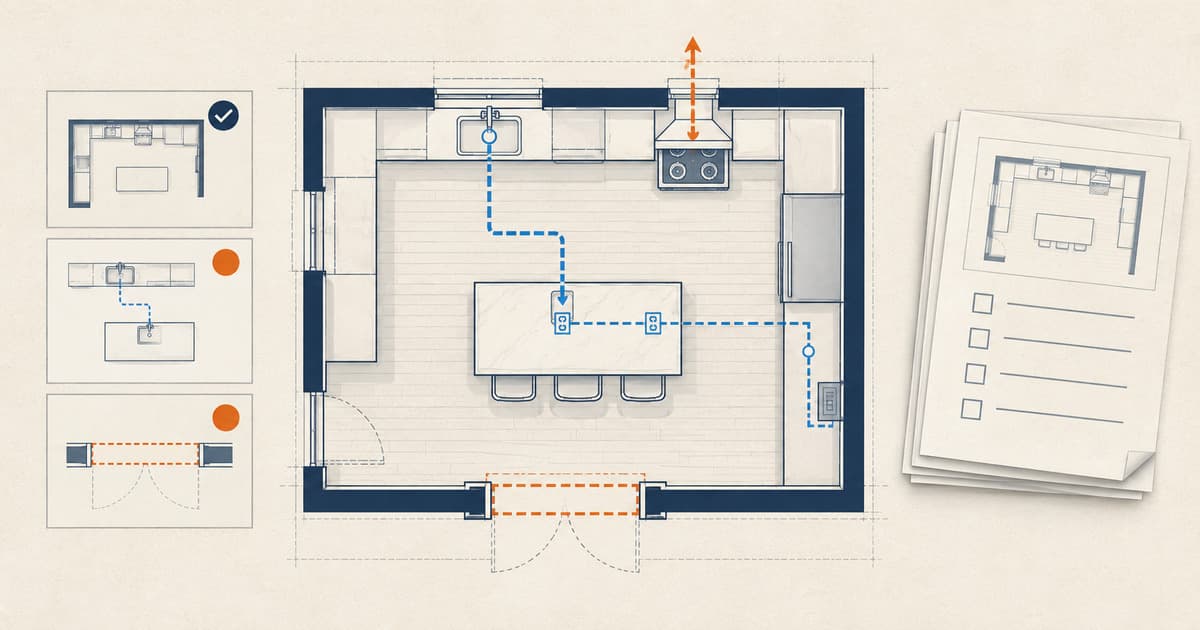
Do You Need a Permit for a Kitchen Remodel?
Learn when cabinets, sinks, islands, appliances, walls, wiring, plumbing, gas, or ventilation can change kitchen-remodel permit and inspection needs.
Do You Need a Permit to Finish a Basement?
Learn when a basement finish needs a permit, what changes for bedrooms and bathrooms, and which inspections come before drywall.