
DuPage County Unincorporated Building Permits
DuPage County's Building & Zoning Department only issues permits in unincorporated territory — its 39 municipalities run their own. Here's how to tell which applies, and what codes, fees, and inspections govern unincorporated projects.
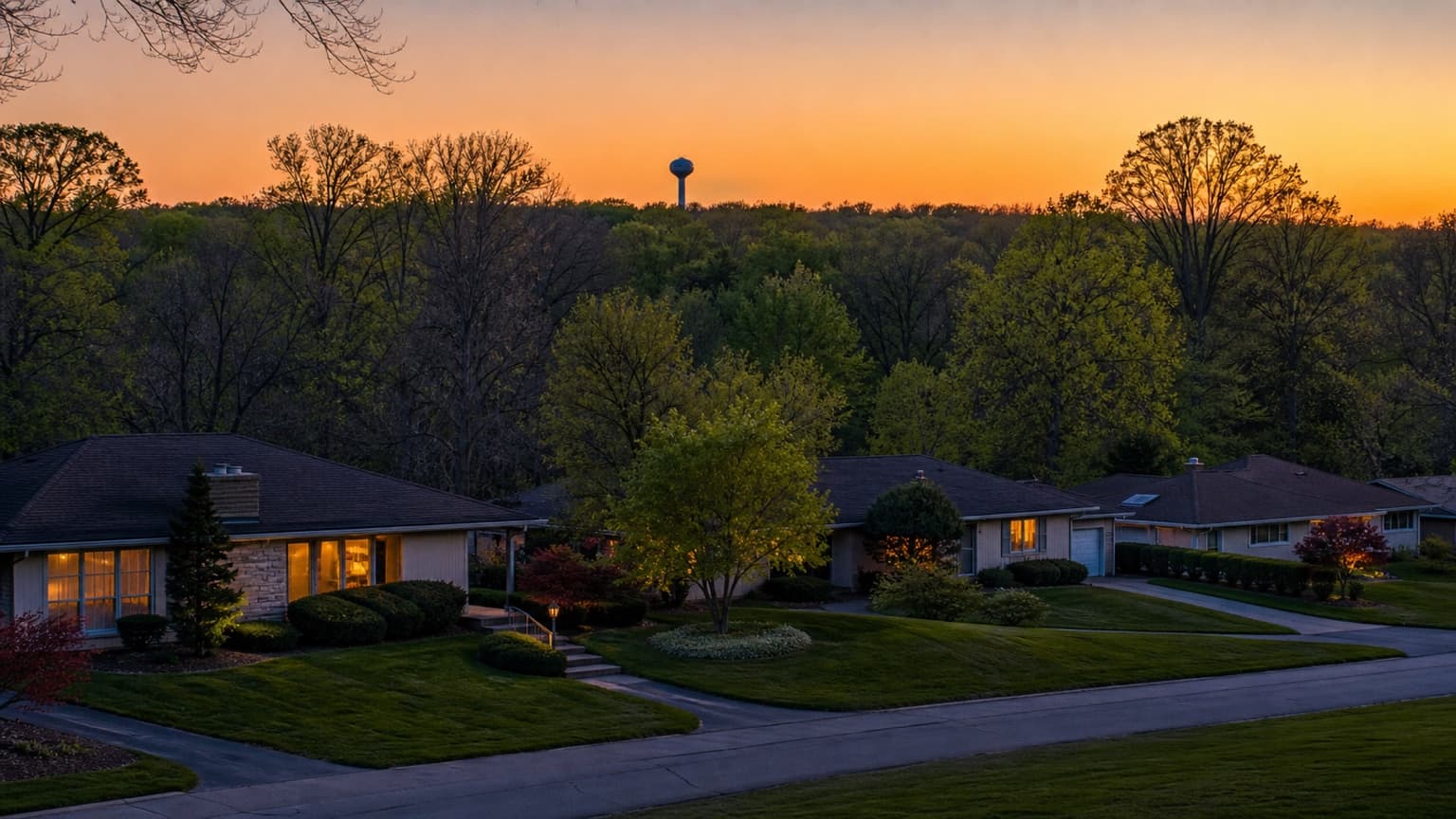
Direct Answer: In unincorporated DuPage County, the DuPage County Building & Zoning Department — through its Building Division — issues building permits, applying the DuPage County Building Code (Chapter 8 of the County Code of Ordinances, built on the 2021 International Code family) and the DuPage County Zoning Ordinance (Chapter 37) for setbacks and land use (Building and Zoning). That authority stops at any municipal boundary: DuPage County has roughly 39 incorporated cities and villages, covering about 75% of the county's 336 square miles, and each one runs its own building department, code, and zoning board (Choose DuPage). Applications for unincorporated work go through the county's Accela Citizen Access portal, contractors performing the work must be separately registered with the county, and most projects need at least one field inspection before the permit closes out.
Verified against official DuPage County and Illinois sources: July 13, 2026. Requirements change — confirm with the Building & Zoning Department before applying.
Key Takeaways
- DuPage County Building & Zoning's Building Division issues permits only in unincorporated DuPage — its roughly 39 municipalities, covering about 75% of the county's 336 square miles, each run their own building department (Building and Zoning; Choose DuPage).
- Unincorporated construction is reviewed against the DuPage County Building Code (Chapter 8), built on the 2021 International Building/Fire/Mechanical/Fuel Gas Codes, the 2020 National Electric Code, and current Illinois Plumbing, Energy, and Accessibility Codes (Building Code).
- Zoning for unincorporated land is Chapter 37 of the County Code of Ordinances — setbacks, lot coverage, and permitted uses vary by district, so confirm your district with the county's Zoning Designation Lookup before you design anything (Chapter 37 Zoning Ordinance; Zoning Designation Lookup).
- Every application — from a fence to a new house — goes through Accela Citizen Access, and any contractor performing the work must be registered with the county Building Official first, separate from the permit itself (Accela Citizen Access; Contractor Registration).
- Fees follow a published schedule rather than a flat number per project — for example, most residential work is $10 per $1,000 of construction cost (minimum $50), while decks and small accessory structures are billed per square foot (Fee Schedule).
- DuPage County's stormwater and floodplain rules are the one major exception to "county authority stops at the city line" — the Countywide Stormwater & Floodplain Ordinance is enforced in many municipalities too, not just unincorporated territory (Stormwater Ordinance).
- Illinois has no statewide residential building code of its own — see GovCodex's Illinois building code explainer — so it's DuPage County's own Chapter 8 adoption, not a state default, that actually governs unincorporated construction.
Scope note: This article covers unincorporated DuPage County only — land outside every city and village limit. If your address sits inside Naperville, Wheaton, Aurora, Downers Grove, Elmhurst, or any of DuPage's other incorporated municipalities, that municipality's own building department issues your permit, not the county. Confirm which government has jurisdiction over your specific parcel with the county's zoning lookup tool or your municipal clerk before you apply.
Who Issues Your Permit — the County or Your Municipality?
DuPage County is heavily built out: its roughly 39 municipalities — Naperville, Wheaton, Aurora, Downers Grove, Elmhurst, Glen Ellyn, and the rest — cover about 75% of the county's 336 square miles, and each administers its own building code, permit process, and zoning board independent of the county (Choose DuPage). The DuPage County Building & Zoning Department only has authority where none of those municipalities do: the unincorporated pockets and townships left over.
| Where the property is | Who issues the building permit | Who handles zoning relief |
|---|---|---|
| Any DuPage municipality (Naperville, Wheaton, Aurora, Downers Grove, Elmhurst, etc.) | That municipality's own building department | The municipality's own zoning board or plan commission |
| Unincorporated DuPage County | DuPage County Building & Zoning — Building Division | DuPage County Zoning Board of Appeals |
GovCodex found no published list of municipalities that contract permitting back to the county for specific work. If you aren't sure whether your parcel is unincorporated, use the county's Zoning Designation Lookup — the tool is explicitly limited to "County or Unincorporated Zoning only" — or call the Building & Zoning Department at 630-407-6700 before assuming which government has jurisdiction.
What Building Code Applies in Unincorporated DuPage County?
Unincorporated construction is reviewed under the DuPage County Building Code, adopted as Chapter 8 of the County Code of Ordinances. As of the county's current building-code page, the adopted editions are the 2021 International Building Code, 2021 International Fire Code, 2021 International Mechanical Code, 2021 International Fuel Gas Code, and 2021 International Property Maintenance Code, layered with the 2020 National Electric Code and the current Illinois Plumbing Code, Illinois Energy Conservation Code, and Illinois Accessibility Code (Building Code; Chapter 8, Municode). The county's Building and Permits page also notes that changes to the DuPage County Building Code took effect January 1, 2024 (Building and Permits).
The plumbing, energy, and accessibility codes apply statewide by Illinois law regardless of which local government issues your permit, because Illinois has no general statewide residential building code of its own — see Illinois building code, explained. Everything else is set locally, and in unincorporated DuPage it's Chapter 8, not a state default, that sets the base construction rules.
What Work Requires a Permit — and What's Exempt?
The county's Building Projects and Permits page groups unincorporated permit types into three categories (Building Projects and Permits):
Residential accessory permits: decks, detached garages, driveways/sidewalks, fences, gazebos, generators, lawn irrigation systems, patios, retaining/seat walls, screen porches, sheds, and swimming pools/hot tubs.
Other building permits: communication facilities (cell towers), damage assessment (fire/water damage), grading permits (residential excavation/filling, including unincorporated stormwater review), temporary tents and membrane structures, parking lots, and signs.
Demolition permits: complete or interior demolition of a structure.
The county's published pages list these project categories but do not spell out a general-purpose exemption threshold (for example, a specific fence height or shed square footage below which no permit is needed) the way some municipalities do. Rather than guess at a number, confirm the current exemption — if any — for your specific project type by reviewing the project's page on the county site or calling Building & Zoning at 630-407-6700 before starting work without a permit.
How Do I Apply for a Building Permit in Unincorporated DuPage County?
- Confirm your property is unincorporated. Use the Zoning Designation Lookup or call 630-407-6700 — if you're inside a municipality, apply there instead.
- Identify your zoning district. Chapter 37 setbacks and permitted uses vary by district (single-family residence districts R-1 through R-4, plus business and other districts), so this determines what you can build and where (Chapter 37 Zoning Ordinance).
- Register your contractor, if using one. General and sub-contractors performing work in unincorporated DuPage County must register with the Building Official before a permit is issued (Contractor Registration).
- Create an Accela Citizen Access account and start your permit. Upload a plat of survey and construction plans — for accessory structures like decks, the plat must show the proposed work to scale, with dimensions and distances to the nearest lot lines, sealed by an Illinois-licensed land surveyor — plus any required disclosures, such as a Trust Disclosure Form for land-trust properties (Accela Citizen Access; Permits and Forms; Decks).
- Pay the non-refundable application/plan-review fee at submission.
- Schedule inspections once the permit is issued, giving at least 24 hours' notice. Work must begin within 180 days of permit issuance, and inspections can't lapse more than 180 days apart or the permit becomes void (Decks).
The department also offers in-person guidance appointments for applicants who want help before submitting online — call 630-407-6700 to schedule one.
What About Zoning, Setbacks & Zoning Relief?
Setbacks in unincorporated DuPage County depend on which residential zoning district your lot sits in. As an example, the county's own deck-permit guidance publishes this single-family setback table:
| Zoning district | Front setback | Rear setback | Corner side setback | Interior side setback |
|---|---|---|---|---|
| R-1 | 40 ft | 50 ft | 40 ft | 20 ft |
| R-2, R-3, R-4 | 30 ft | 15 ft | 30 ft | 10% of lot width or 10 ft, whichever is less |
For lots of 20,000 square feet or less in the R-2 through R-4 districts, the interior side setback can drop to 3 feet (Decks). These figures are specific to accessory structures like decks; other structure types and other districts (including business districts) carry their own dimensional standards under Chapter 37, so verify your exact district and setbacks — a related primer is GovCodex's what is a setback in zoning? — with the Zoning & Planning Division before finalizing a site plan.
If your project doesn't fit as-of-right — you need more lot coverage than allowed, a use the district doesn't permit, or relief from a dimensional standard — DuPage County processes variations, conditional uses, rezonings, subdivisions, and appeals through the Zoning Board of Appeals, with applications again submitted through Accela Citizen Access (Zoning). Accessory dwelling units are one example: unincorporated DuPage's zoning ordinance addresses a second dwelling unit on a single-family lot (what Chapter 37 calls a "converted dwelling") through a Conditional Use process reviewed by the Zoning Board of Appeals rather than as an over-the-counter accessory building permit, so budget time for that review if an ADU is part of your plan.
What Does a Permit Cost in Unincorporated DuPage County?
DuPage County publishes a fee schedule, effective May 1, 2025, rather than flat per-project prices (Fee Schedule; general primer: how much a building permit costs):
| Project category | Fee formula |
|---|---|
| Single-family/townhome remodel or alteration | $10.00 per $1,000 of construction cost (or fraction), minimum $50.00 |
| Single-family/townhome new construction | $90.00 per square foot |
| Decks and patios | $10.00 per square foot |
| Accessory structures, 150 sq ft or less | $10.00 per square foot |
| Accessory structures, over 150 sq ft | $30.00 per square foot |
| Multi-family new construction | $20.00 per $1,000 of construction cost, minimum $100.00 |
| Commercial/industrial | $30.00 per $1,000 of construction cost, minimum $150.00 |
| Re-inspections (1st / 2nd / subsequent) | $50.00 / $75.00 / $100.00 each |
The schedule also lists tiered plan-review fees and separate Health Department fees tied to specific accessory-structure and addition categories (relevant for properties on private well or septic). Because fees are formula-driven and updated periodically, confirm the current numbers on the official schedule before budgeting a project.
Do I Need a Registered Contractor?
Yes. All general and sub-contractors performing work in unincorporated DuPage County must register with the county Building Official before a permit is issued (Contractor Registration). Registration is done through Accela Citizen Access and is valid for one year. Most trades pay a registration fee; plumbers, irrigation contractors, and fire alarm contractors register for free but must still register, and contractors need a certificate of insurance listing the Building & Zoning Department as certificate holder. Homeowners doing certain work themselves — plumbing, for example — can file a Plumbing Affidavit instead of hiring a registered contractor (Permits and Forms).
Inspections & Keeping Your Permit Valid
Once a permit is issued, inspections must be scheduled with at least 24 hours' notice by calling 630-407-6700. Two clocks matter after that: work must begin within 180 days of permit issuance, and inspections can't go more than 180 days without one occurring, or the permit becomes void and you'll need to reapply (Decks). If an inspection fails, re-inspections carry escalating fees — $50 for the first, $75 for the second, and $100 for each one after that, including any re-inspection tied to a Notice of Violation (Fee Schedule).
Stormwater & Floodplain: Where County Rules Reach Beyond the County Line
Most DuPage County land-use authority stops at a municipal boundary, but stormwater and floodplain regulation is the exception. The DuPage County Countywide Stormwater & Floodplain Ordinance (Chapter 15 of the County Code) is designed to apply broadly across the county, with individual municipalities classified as "waiver," "partial waiver," or "non-waiver" communities depending on how much local review they've been authorized to do themselves (Stormwater Ordinance; Chapter 15, Municode). Unincorporated DuPage County is itself a non-waiver community, so the county reviews all stormwater provisions directly — grading, added impervious surface, or land near a mapped floodplain or wetland will run through both the Building Division and Stormwater Management.
Per the county's own guidance, Stormwater Management Certification generally isn't required if a site has no floodplain, wetlands, or buffers, and the project adds less than 2,500 square feet of new impervious area while disturbing less than 5,000 square feet of land — see GovCodex's what is impervious surface coverage? for why that threshold exists. Larger projects, or anything touching a mapped floodplain, should be checked against the current Flood Insurance Rate Map; DuPage County Stormwater Management can provide a flood-elevation determination at 630-407-6673 or StormWaterMgmt@dupagecounty.gov.
Frequently Asked Questions
Does DuPage County issue permits for property inside Naperville, Wheaton, or another suburb?
No. The county's Building & Zoning Department only has permitting authority in unincorporated DuPage County. Property inside any of the county's roughly 39 municipalities is permitted through that municipality's own building department.
How do I find out if my address is unincorporated?
Use the county's Zoning Designation Lookup tool, which is explicitly scoped to county/unincorporated zoning, or call the Building & Zoning Department at 630-407-6700 to confirm before you apply.
What building code edition does unincorporated DuPage County use?
The DuPage County Building Code (Chapter 8 of the County Code of Ordinances) is built on the 2021 International Building, Fire, Mechanical, and Fuel Gas Codes, the 2020 National Electric Code, and the current Illinois Plumbing, Energy Conservation, and Accessibility Codes, with changes to the county's code effective January 1, 2024.
Do I need a permit for a small shed or fence in unincorporated DuPage County?
Sheds and fences are both listed among the county's residential accessory permits, but the county's published pages don't spell out a general size or height exemption. Confirm the current threshold for your specific project with Building & Zoning before building without a permit.
How long does a DuPage County building permit stay valid?
Work must begin within 180 days of permit issuance, and inspections can't lapse more than 180 days apart, or the permit becomes void and you'll need to reapply.
Does DuPage County's stormwater ordinance apply even if I live in a municipality?
It can. The Countywide Stormwater & Floodplain Ordinance applies across many DuPage municipalities, not just unincorporated territory, depending on each community's waiver status — check with your local building department or DuPage County Stormwater Management if your project involves grading, new impervious surface, or floodplain-adjacent land.
Can I build an accessory dwelling unit (ADU) on my unincorporated DuPage County lot?
Not as a standard, over-the-counter accessory permit. Chapter 37 addresses a second dwelling unit on a single-family lot through a Conditional Use process reviewed by the Zoning Board of Appeals, so plan for a public hearing and a longer timeline than a typical building permit.
Verify the Rules for Your Property
Permit categories, fees, and zoning relief processes in unincorporated DuPage County change, and none of it applies if your address actually sits inside one of the county's incorporated municipalities. Before you apply, check GovCodex's DuPage County permit catalog for the current permit types tied to your project, or run a permit check to see what your specific address and project actually require.
Related Articles
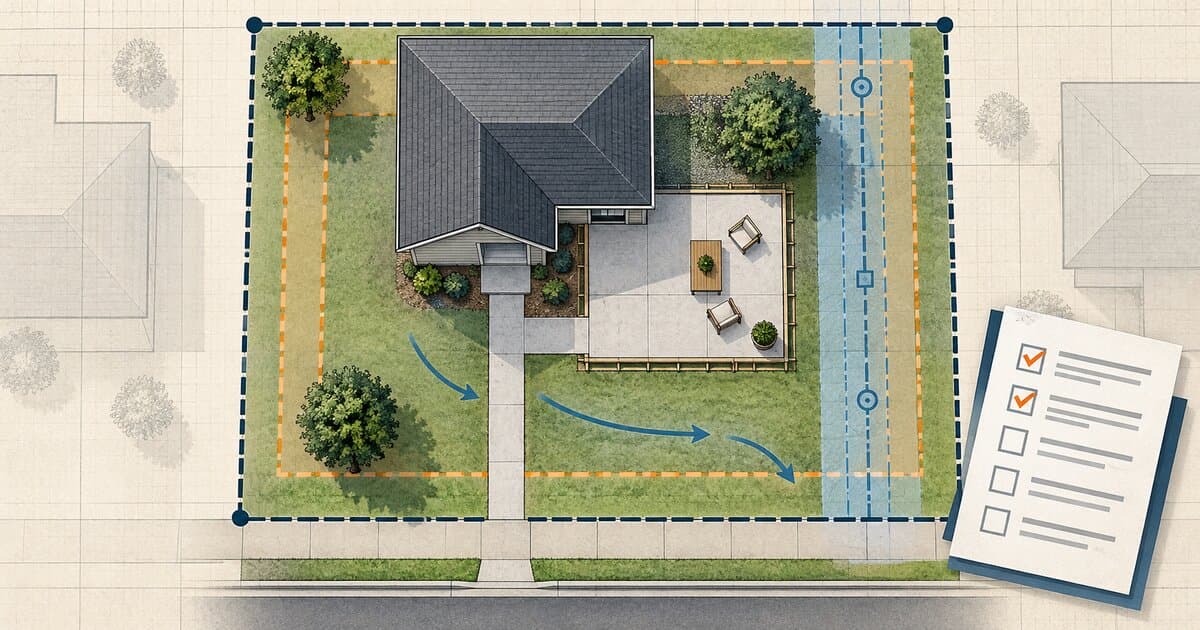
Do You Need a Permit to Pour Concrete? Patios, Slabs & Walkways
Pouring concrete may be permit-exempt or regulated depending on whether it is a patio, slab, walkway, driveway, structural base, or right-of-way work.
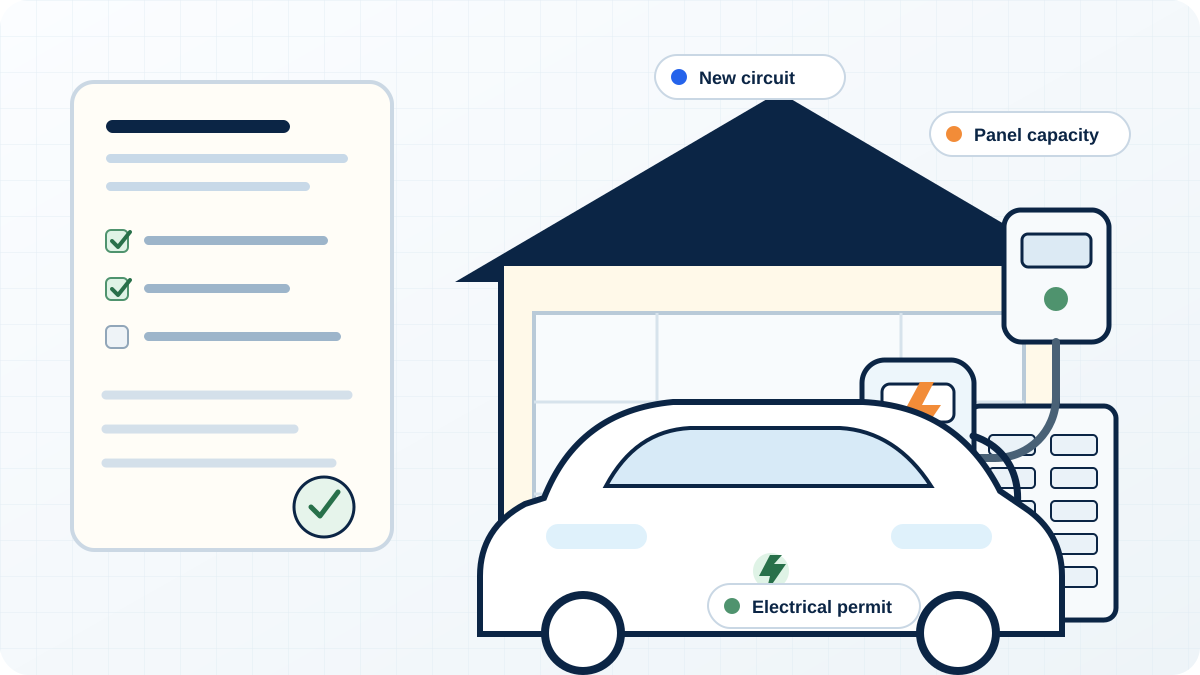
Do You Need a Permit for an EV Charger?
Learn when a home EV charger needs an electrical permit, when panel or service upgrades enter the project, and how inspection and utility coordination work.
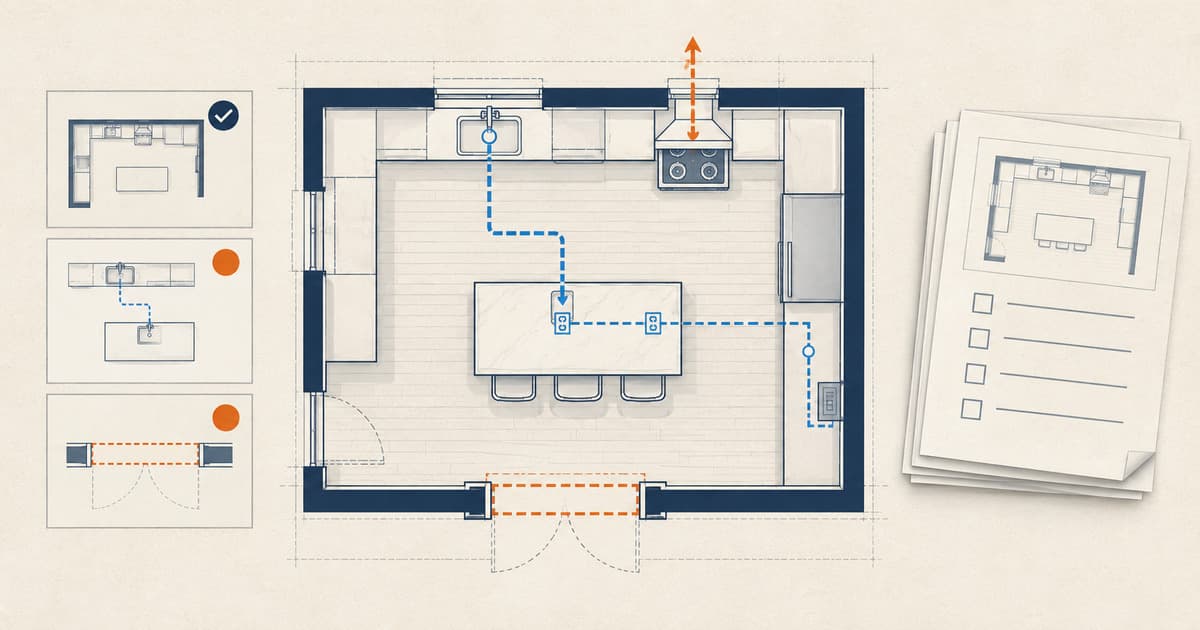
Do You Need a Permit for a Kitchen Remodel?
Learn when cabinets, sinks, islands, appliances, walls, wiring, plumbing, gas, or ventilation can change kitchen-remodel permit and inspection needs.