
Do I Need a Permit for a Shed in Chicago?
Chicago exempts small tool sheds from a building permit under a specific height and footprint test, but the exemption doesn't waive zoning's accessory-structure height and coverage limits.
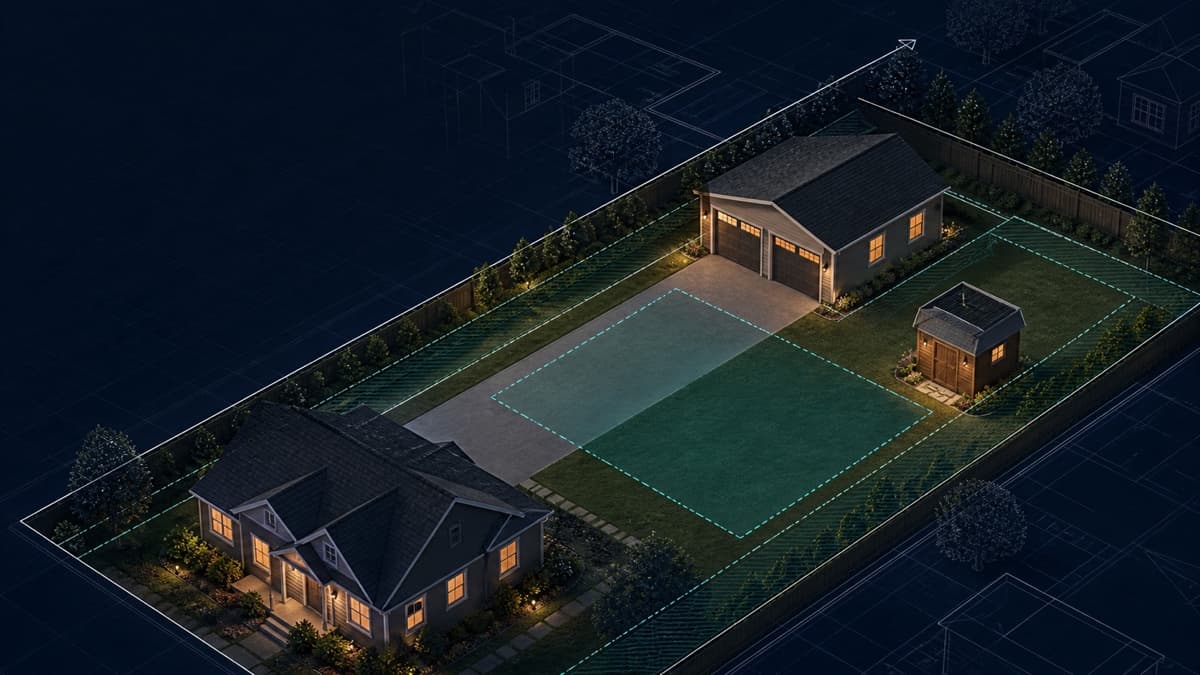
Direct Answer: In Chicago, a single-story detached shed that is no more than 15 feet tall, has no plumbing, and has a footprint of 150 square feet or less is generally exempt from needing a building permit, under the Department of Buildings' (DOB) permit-not-required rules. That exemption only waives the permit — it does not waive the Chicago Zoning Ordinance's accessory-structure rules, which independently cap accessory buildings in a lot's required rear setback at 15 feet in height and limit how much of that setback area they can cover. A shed bigger than 150 square feet, taller than 15 feet, on a landmark property, or plumbed for water needs a building permit and full zoning review.
Verified against official municipal and state sources: July 13, 2026. Requirements change — confirm with the Department of Buildings before applying.
Key Takeaways
- DOB's permit-not-required guidance exempts a "single-story detached structure that is not more than 15 feet tall, without plumbing, and used as a tool or storage shed, open gazebo, playhouse, or similar use... provided that the footprint is 150 square feet or less" (Small Permanent Structures).
- Even permit-exempt work "must still comply with all applicable requirements of the Chicago Construction Codes" and the Zoning Ordinance — the exemption only removes the permit step, not the underlying rules (Full permit-not-required list, citing Municipal Code § 14A-4-402).
- Separately, the Zoning Ordinance caps accessory buildings and structures in a lot's required rear setback at 15 feet in height (except coach houses) and limits combined accessory buildings to 60% of that setback's area, with narrow exceptions for small-lot garages and community-garden structures (17-9-0201, Chicago Zoning Ordinance).
- A shed over 150 square feet that's also large enough and configured to store a car may qualify for the Express Permit Program's Detached Frame Garage path (up to 600 sq ft); a shed that doesn't store a vehicle generally has no dedicated EPP path and needs Standard Plan Review instead.
- Landmark properties and landmark districts lose these permit exemptions and need separate historic-preservation review (Small Permanent Structures).
- The Department of Buildings enforces the Chicago Construction Codes; the Chicago Zoning Ordinance (Title 17 of the Municipal Code) sets the separate zoning rules a shed still has to meet.
The Practical Rule
Two different city rulebooks touch a backyard shed, and they answer two different questions. DOB's "Small Permanent Structures" exemption answers whether you need a building permit: if the shed is single-story, 15 feet tall or less, footprint of 150 square feet or less, has no plumbing, and is used as a tool/storage shed, open gazebo, playhouse, or similar use, DOB doesn't require a permit application for installing, altering, or removing it. The Chicago Zoning Ordinance answers a separate question — whether the shed's size, height, and placement comply with zoning — and that question applies whether or not a permit was required. Section 17-9-0201 of the Zoning Ordinance caps accessory buildings sited in a lot's required rear setback at 15 feet in height and restricts how much of that setback area accessory buildings can cover in total. The 15-foot numbers happen to line up in both rulebooks, which is why most small sheds clear both bars at once — but a shed that fails either test (too tall, too big a footprint, or crowding out too much of the rear setback alongside a garage or other accessory building) needs to go through DOB's plan-based process and confirm zoning compliance before it's built.
What to Check Before You Build
- Measure height and footprint precisely. DOB's exemption is an all-or-nothing test: over 15 feet tall or over 150 square feet of footprint, and you need a permit — there's no partial exemption.
- Confirm the shed has no plumbing. Any water supply or drain line inside the structure takes it out of the permit-exempt category regardless of size.
- Check whether the lot is landmarked. The permit-not-required exemptions "may not apply to work on a property that is a proposed or designated Chicago Landmark or part of a proposed or designated Chicago Landmark district" — confirm status with the Historic Preservation Division before you build.
- Look up your zoning district and required rear setback. The accessory-structure height and coverage rules in Section 17-9-0201 are written around the lot's required rear setback, and how deep that setback is varies by residential zoning district. Use the City's interactive zoning map to confirm your lot's district and setback before you finalize a location and size.
- Add up everything else already in the rear setback. If a garage, another shed, or another accessory building already sits back there, the combined accessory-building coverage of that setback area is capped — a new shed can push the total over the line even if the shed alone would be fine.
What If My Shed Doesn't Qualify for the Exemption?
A shed that's too big, too tall, plumbed, or on a landmark lot needs a building permit like any other structure. If it's sized and built to store a passenger car — concrete slab foundation, wood or light-gauge metal frame, sloped/hip/gable roof, up to 600 square feet — it may be eligible for the Express Permit Program's Detached Frame Garage path, which DOB reviews without a full plan set. A shed that isn't built or used for vehicle storage generally isn't covered by that EPP category or any other listed EPP work type (EPP index), so it would typically move to Standard Plan Review, submitted through the City's Permit Portal. Either way, plan for the same zoning check described above — a bigger structure makes the rear-setback height and coverage limits more likely to matter, not less.
Frequently Asked Questions
Does every backyard shed in Chicago need a permit?
No. DOB's permit-not-required guidance covers single-story sheds up to 15 feet tall and 150 square feet, with no plumbing. Sheds outside that box need a building permit.
If my shed is permit-exempt, do zoning rules still apply?
Yes. DOB's own guidance is explicit that permit-exempt work "must still comply with all applicable requirements of the Chicago Construction Codes" — the exemption removes the permit step, not the substantive rules, including the Zoning Ordinance's accessory-structure height and setback-coverage standards.
Can I put a shed anywhere in my backyard?
The Zoning Ordinance's accessory-structure height and coverage standards are written specifically around a lot's required rear setback. If you're considering a side yard or another location instead of the rear setback, confirm placement against your specific zoning district using the City's interactive zoning map or by contacting the Zoning Administrator — don't assume the rear-setback allowance carries over automatically.
What if I already have a garage back there — does that change what size shed I can add?
Possibly. Section 17-9-0201-D limits the combined footprint of all accessory buildings to 60% of the required rear setback's area (with narrow exceptions for small-lot garages and community-garden structures), so an existing garage counts against the total before you add a shed.
Is a shed treated the same as a coach house or ADU?
No. Coach houses (backyard accessory dwelling units) are a distinct, separately regulated category under Section 17-9-0201-F with their own height limit, parking, and zoning-lot rules — they're not covered by the shed exemption discussed here. See Getting a Building Permit in Chicago for how DOB's broader permit paths work.
Where do I confirm the rules for my specific address?
Start with DOB's Small Permanent Structures page and the City's zoning map, then confirm with the Department of Buildings assistance counter if anything is ambiguous.
Verify Your Address
Shed rules in Chicago hinge on exact measurements — height, footprint, and how much of your specific lot's required rear setback is already used — so a generic answer isn't enough to build safely. Before you order materials, run a permit check or review GovCodex's Chicago permit catalog to see what your address and project actually require. For the statewide backdrop on why Illinois cities like Chicago set their own construction rules, see Illinois Building Codes and Local Control, Explained; for a broader look at accessory structures, see Can I Build a Garage or Shed in My Backyard? and What Is a Setback in Zoning?
Related Articles
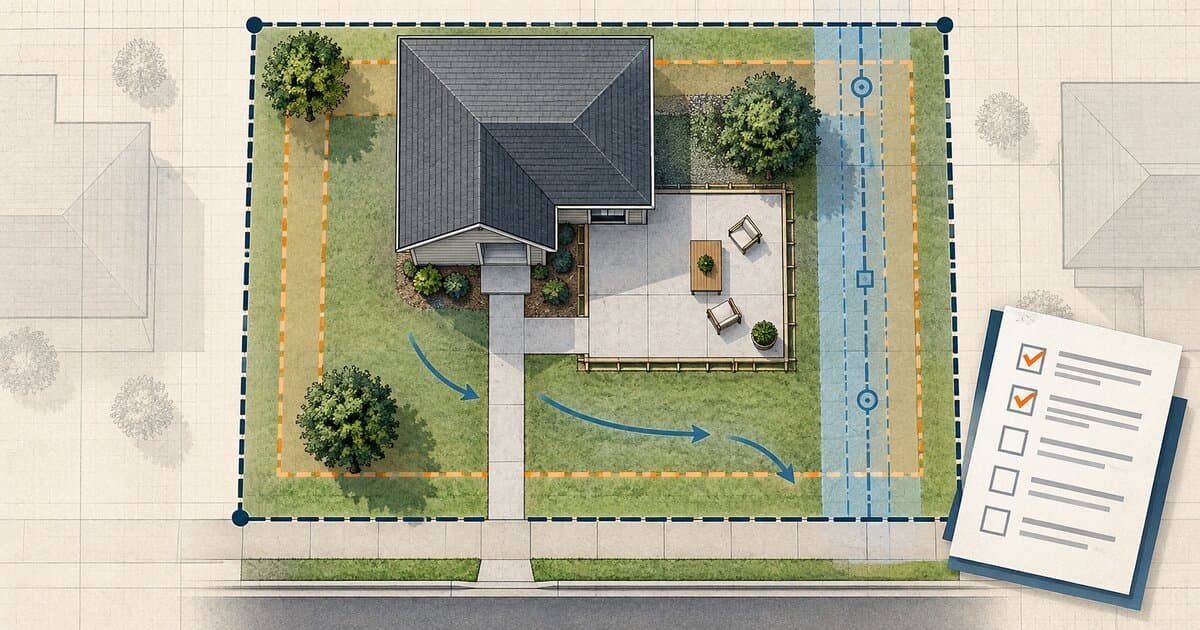
Do You Need a Permit to Pour Concrete? Patios, Slabs & Walkways
Pouring concrete may be permit-exempt or regulated depending on whether it is a patio, slab, walkway, driveway, structural base, or right-of-way work.
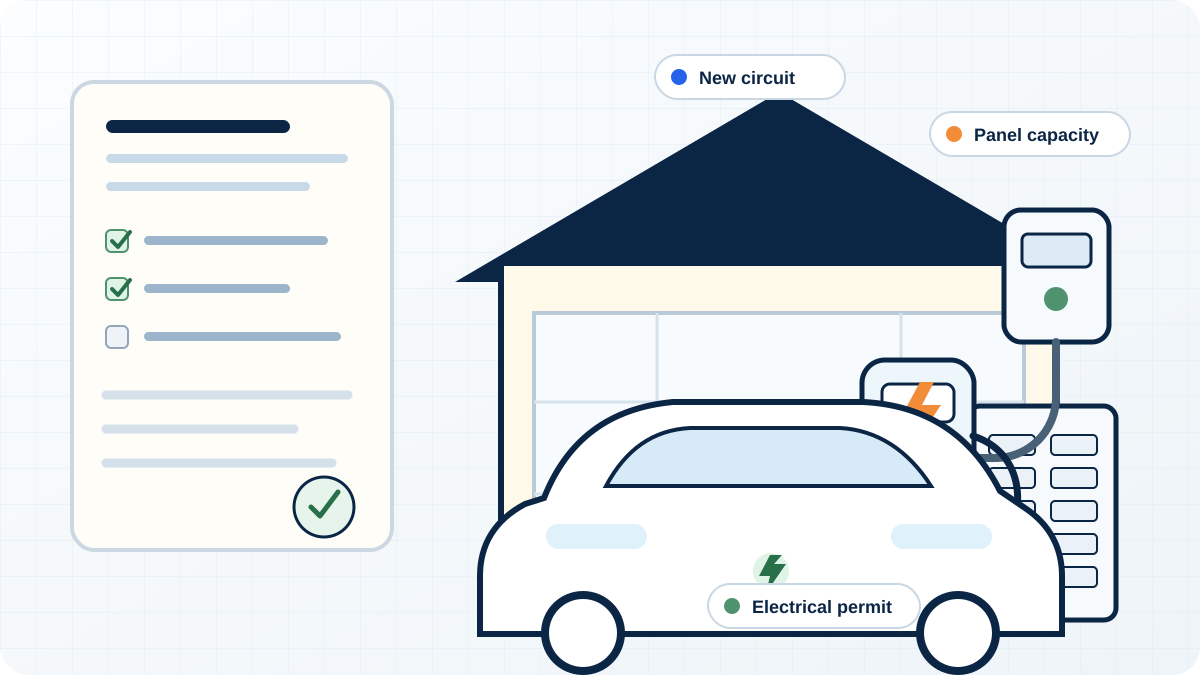
Do You Need a Permit for an EV Charger?
Learn when a home EV charger needs an electrical permit, when panel or service upgrades enter the project, and how inspection and utility coordination work.
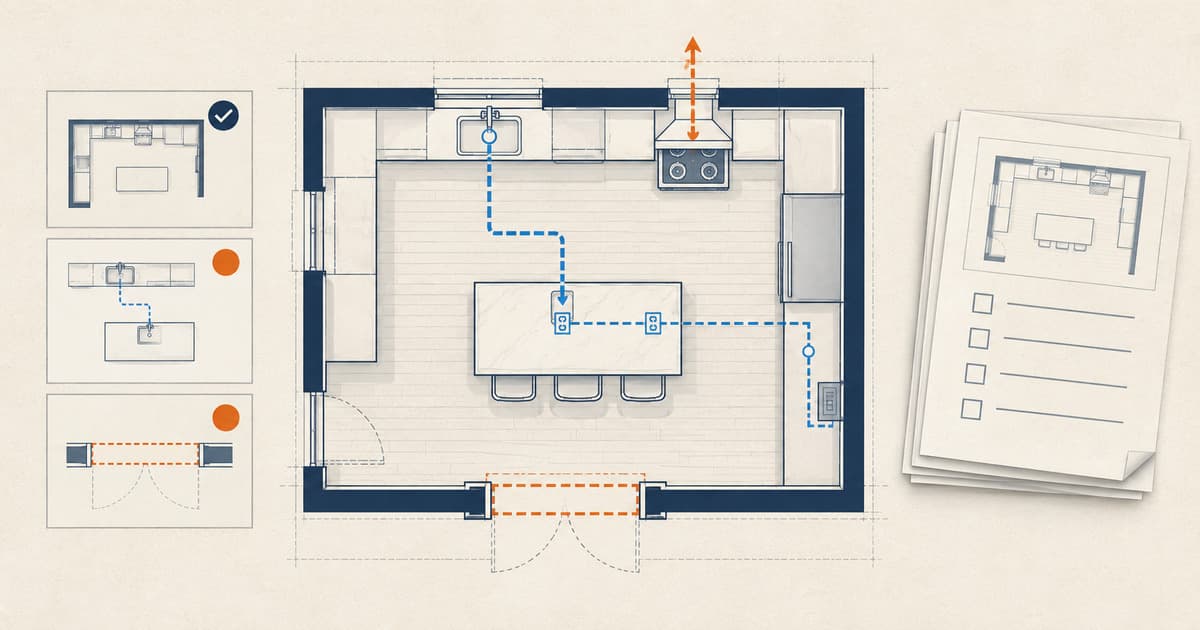
Do You Need a Permit for a Kitchen Remodel?
Learn when cabinets, sinks, islands, appliances, walls, wiring, plumbing, gas, or ventilation can change kitchen-remodel permit and inspection needs.