
Do I Need a Permit for a Fence in Waukesha?
Waukesha does not require a fence permit, but every fence must follow Municipal Code Section 22.58: a 6-foot height cap (3 feet in vision triangles), no fencing in the required front yard, and no barbed wire or electric fencing in residential zones.
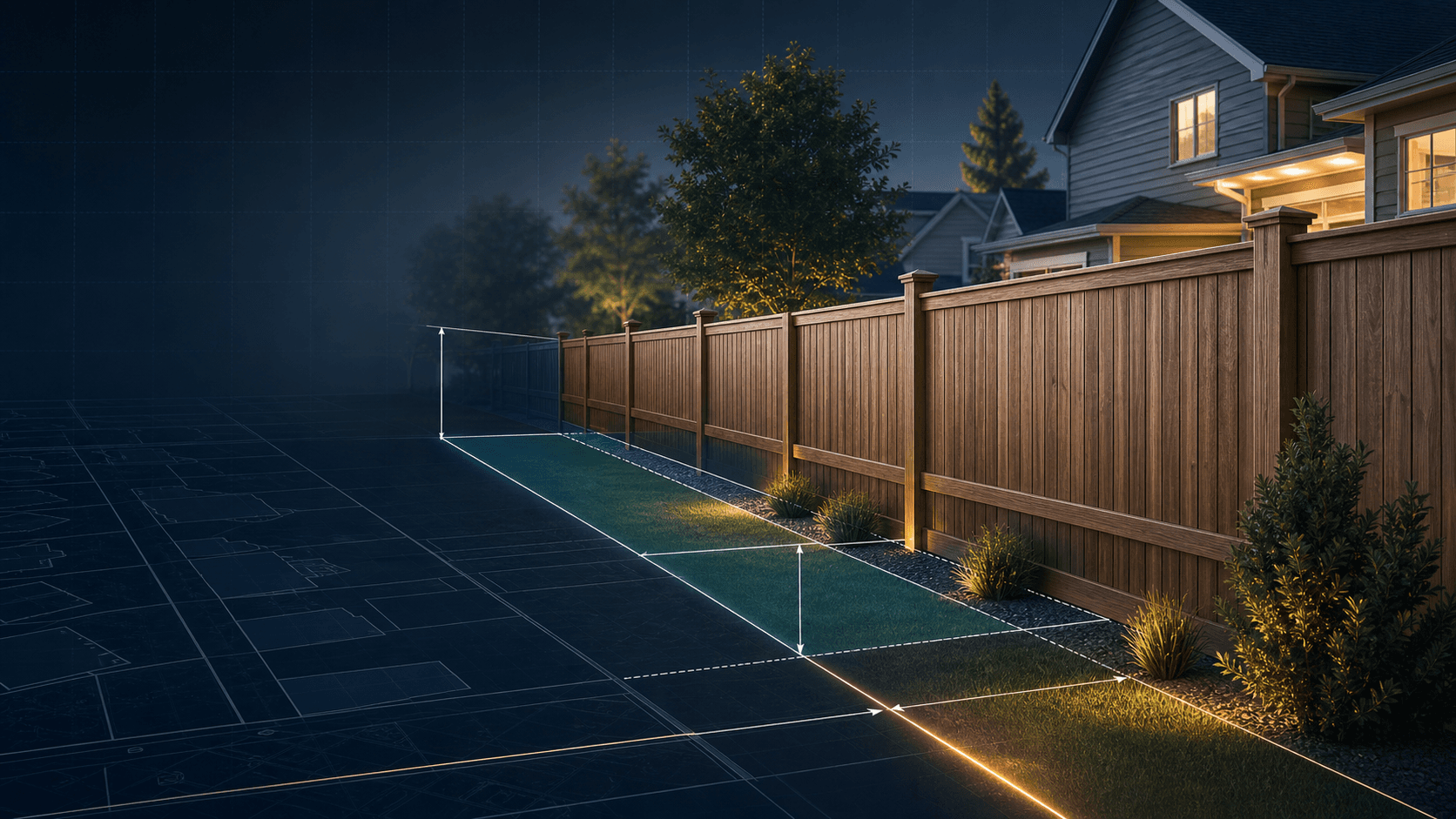
Direct Answer: No — a typical residential fence in the City of Waukesha does not require a building permit. The city says so directly on its own Fence Installation page. That said, "no permit" is not the same as "no rules": every fence must still comply with Section 22.58 of the Waukesha Municipal Code, which caps height at 6 feet (3 feet inside a "vision triangle" near a street or alley corner), bans fencing in the required front yard, keeps fences off the property line and out of the public right-of-way, and prohibits barbed wire or electric fencing in residential districts. Commercial properties and multifamily buildings with three or more units follow a separate approval process through the city's Community Development department.
Verified against official municipal and state sources: July 13, 2026. Requirements change — confirm with the city before applying.
Key Takeaways
- No building permit is required for a standard residential fence in Waukesha, per the city's Fence Installation guidance — but the fence must still comply with Municipal Code Section 22.58.
- Maximum fence height is 6 feet everywhere except a "vision triangle" — the corner area where two streets, a street and an alley, or two alleys intersect — where the cap drops to 3 feet.
- The "required front yard" is off-limits to fencing; that's generally the area in front of the house (not counting porches or decks), and fences typically start at the front foundation wall.
- On corner lots, the longer street-facing lot dimension counts as a side yard, not a front yard — which changes where you're allowed to fence.
- Barbed wire and electric fencing are prohibited in residential districts and are only allowed in T-1 temporary districts for livestock control.
- Commercial properties and multifamily (3+ unit) buildings do not follow the residential exemption — they must contact Community Development at 262-524-3530 for submittal and approval requirements.
The Practical Rule
Waukesha treats a normal residential fence as a compliance matter, not a permitting one. If you're installing a standard wood, vinyl, chain-link, or metal fence up to 6 feet tall, keeping it out of the required front yard and off the property line, and it isn't inside a vision triangle, there's no application to file and no inspection to schedule — you just have to follow Section 22.58. The moment a project moves outside that lane — a fence over 6 feet, a commercial or multifamily property, a corner lot where the front/side distinction gets confusing, or a lot near a shoreline or floodplain overlay — it can trigger zoning review, and possibly a variance request through the city's Board of Zoning Appeals. When in doubt, a phone call to Community Development (262-524-3530) before you buy materials is cheaper than tearing a fence out after the fact.
What to Check Before You Build
- Confirm your exact property lines. The city stays out of boundary disputes entirely and recommends hiring a licensed surveyor to mark your lot lines before you build, especially if the fence will run close to a shared line.
- Identify your required front yard. It's set by your property's zoning district under Chapter 22 of the Waukesha Municipal Code — call Community Development (262-524-3530) if you're not sure where yours falls.
- Check for a vision triangle. If any part of your fence line sits near a street/street, street/alley, or alley/alley intersection, the height limit drops to 3 feet in that area, even if the rest of your fence can go to 6 feet.
- Verify your lot type and materials. Corner lots have a different side-yard definition than interior lots, and barbed wire or electric fencing is off the table in residential districts regardless of lot type.
- Flag anything unusual — a commercial or multifamily (3+ unit) property, a lakefront or floodplain-adjacent lot, or an HOA/subdivision covenant — and contact Community Development or check the Waukesha building permit guide before you assume the no-permit rule applies, since those situations can carry added zoning steps the base fence guidance doesn't cover.
What Section 22.58 Actually Covers
The city's fence handout is a summary, not the full ordinance, but it lays out the operative rules clearly:
- Location and the property line. A fence may run right up to a property line, but it can't extend onto or over that line into a neighbor's lot, and it can't encroach into the City right-of-way.
- Front, side, and rear yards. Fences are allowed on the sides and in rear yards without restriction, but the required front yard is off-limits entirely.
- Corner lots. For a corner lot, the longer of the two street-facing dimensions is treated as the side yard "regardless of how the property is designated for addressing or other purposes" — so fencing that would be a front-yard violation on an interior lot can be allowed in that same location on a corner lot's side.
- Maintenance and disputes. Fence owners are responsible for upkeep even when the fence sits on a shared lot line, and the city treats boundary disagreements as a civil matter between property owners, not something it will adjudicate.
- "Good side out." The finished (non-structural) face of the fence has to point away from your own yard — toward the neighbor, the street, or the alley.
This ordinance sits under Chapter 22, the City's zoning code, which is separate from the statewide building code that governs the house itself. For 1- and 2-family dwellings, Wisconsin construction is regulated by the Uniform Dwelling Code, but a freestanding fence isn't a "dwelling" and falls to local zoning instead — which is exactly why Waukesha can exempt it from a building permit while a room addition on the same lot would still need one.
When a Fence Project Needs More Than the Basic Rules
A few situations push a fence beyond the simple compliance checklist. Commercial properties and buildings with three or more residential units are carved out of the basic guidance and must go through Community Development for submittal and approval — the city's page is explicit that the consumer-facing fence rules apply to residential properties. If your fence project is bundled with other work on the same lot — a new deck, an accessory structure, or a pool — those components can carry their own permit requirements even though the fence itself doesn't, so it's worth checking the Waukesha building permit guide or applying through the city's eTrakit permitting portal for the rest of the project. Waukesha's zoning code has also been under an active rewrite since 2024 as part of a Comprehensive Plan update, so it's worth confirming the current text of Chapter 22 — available through the city's Code of Ordinances — hasn't shifted before you finalize plans, particularly if your lot is near a corner, an alley, or a body of water where setback rules tend to layer on top of the base fence ordinance.
Frequently Asked Questions
Do I need a permit to build a fence in Waukesha?
No. The city's own guidance states that fences do not require a permit, but every fence must still comply with the height, location, and material rules in Municipal Code Section 22.58.
How tall can my fence be?
Up to 6 feet in most locations. If any part of the fence falls within a vision triangle — the corner area where two streets, a street and an alley, or two alleys meet — the maximum drops to 3 feet in that zone.
Can I put a fence in my front yard?
No. The required front yard, generally the area in front of the house not counting porches or decks, is off-limits to fencing. Side and rear yards are permitted.
What changes on a corner lot?
The longer of the two street-facing lot dimensions is treated as a side yard rather than a front yard, so fencing that would be disallowed in a front yard on an interior lot may be permitted in that spot on a corner lot.
What if my neighbor and I disagree about where the property line is?
The city won't get involved. It treats property-line disputes as a civil matter between owners and recommends hiring a surveyor to mark the lot line before installation to avoid the disagreement in the first place.
Do commercial or multifamily properties follow the same no-permit rule?
No. Commercial properties and multifamily buildings with three or more units are outside the residential fence guidance and need to contact Community Development at 262-524-3530 for their submittal and approval requirements.
Verify Your Address
Fence rules are only half the picture if your project also touches a deck, a shed, or a lot line near a corner or the water — those can bring in setback and permit requirements the basic fence guidance doesn't cover. Before you build, check GovCodex's Waukesha permit catalog for the permit types tied to your project, or run a permit check to see what your specific address requires.
Related Articles
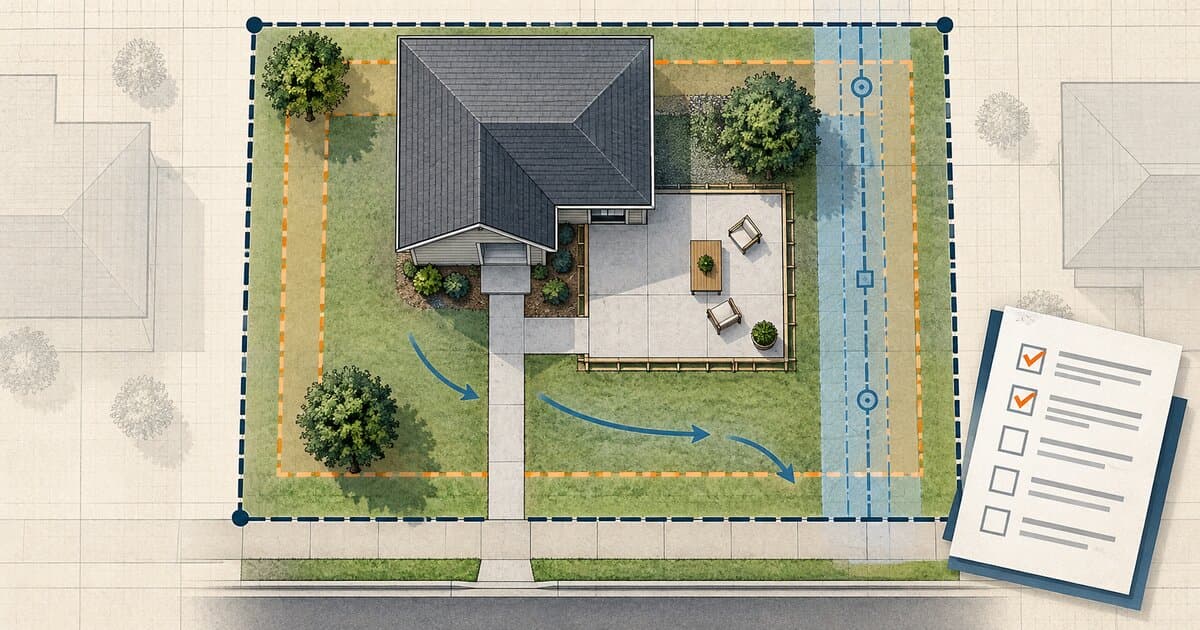
Do You Need a Permit to Pour Concrete? Patios, Slabs & Walkways
Pouring concrete may be permit-exempt or regulated depending on whether it is a patio, slab, walkway, driveway, structural base, or right-of-way work.
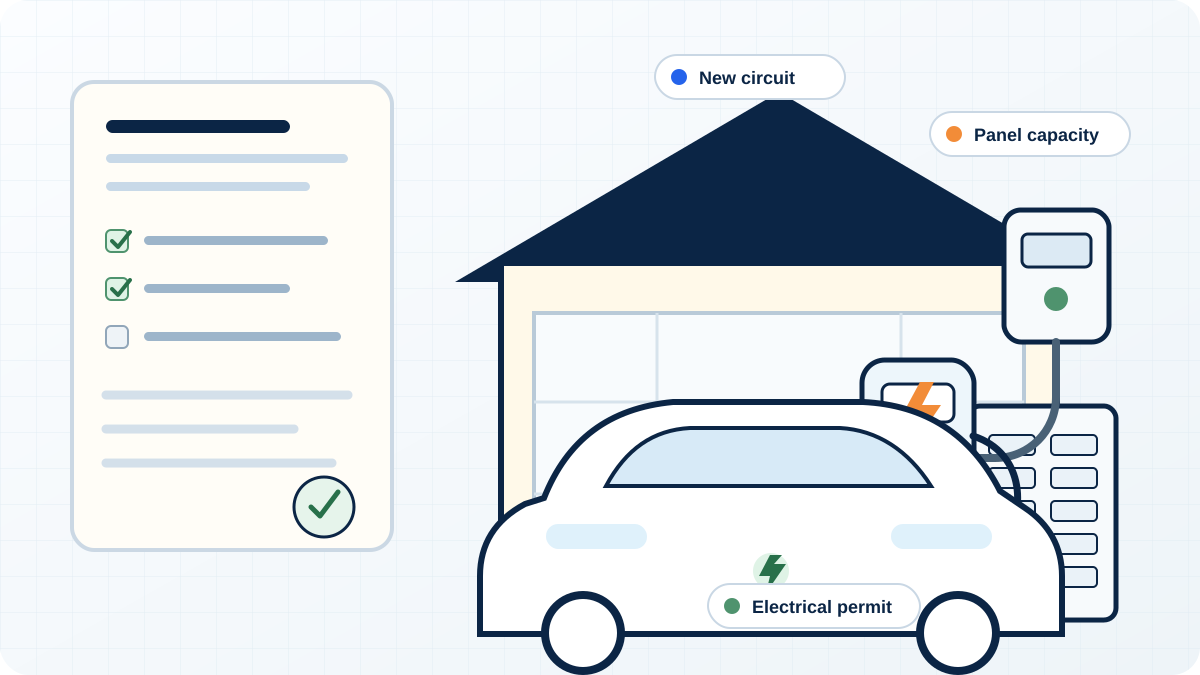
Do You Need a Permit for an EV Charger?
Learn when a home EV charger needs an electrical permit, when panel or service upgrades enter the project, and how inspection and utility coordination work.
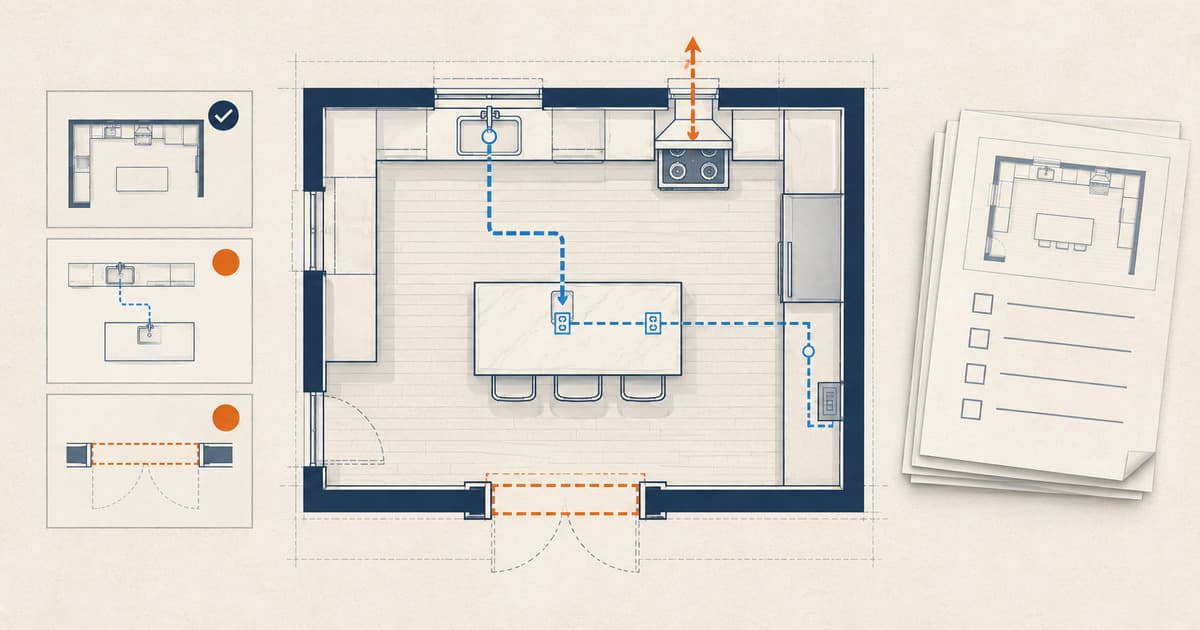
Do You Need a Permit for a Kitchen Remodel?
Learn when cabinets, sinks, islands, appliances, walls, wiring, plumbing, gas, or ventilation can change kitchen-remodel permit and inspection needs.