
Do I Need a Permit for a Fence in Madison, WI?
Madison does not require a building permit for ordinary fences, but zoning rules still control height, placement, corner visibility, pool fencing, and property-line issues.
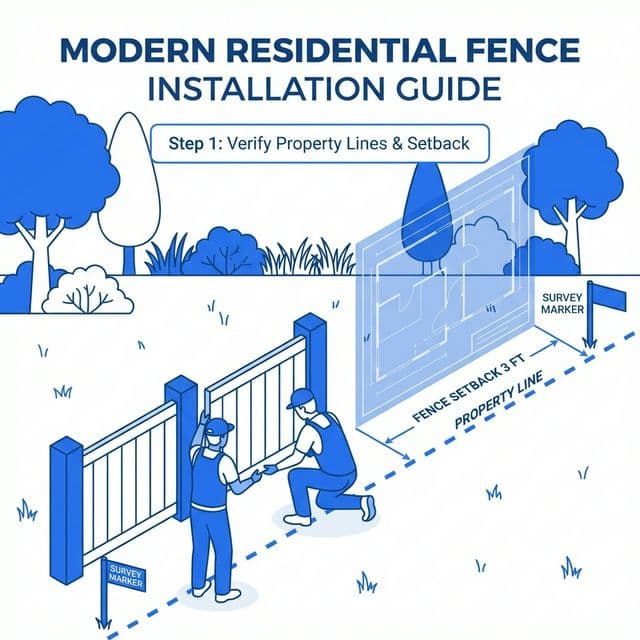
Direct Answer: In Madison, you generally do not need a building permit to put up a fence, but you still must comply with Madison's zoning rules for height, placement, corner visibility, pool barriers, materials, and property lines. If your project involves general repairs over $500, unusual site conditions, a corner lot, a pool, a retaining wall, or uncertainty about lot lines, contact Building Inspection or Zoning before installing it.
Verified against official municipal and state sources: July 13, 2026. Requirements change — confirm with the city before applying.
Key Takeaways
- Madison's fence page states directly that you do not need a building permit to put up a fence, but you must know the City's laws governing height and placement (Fence or Hedge).
- The City's permit chart also lists “Fence - install or replace” as “No (may need approvals)” and directs questions to Zoning (Madison permits chart).
- You must identify the true lot lines; Madison warns sidewalks, curbs, fences, and shrubs do not necessarily mark them.
- Front-yard and corner-yard fences have lower height/visibility limits than rear-yard fences.
- In-ground pools need a fence at least 4 feet high with a locking gate.
The Rule in Practice
Madison treats a typical fence as a zoning-compliance issue, not a building-permit issue. That is good news for simple projects, but it also means the fence can still be illegal if it is too tall, blocks required visibility, sits over a lot line, or violates a special district or covenant. The City specifically tells homeowners to contact Zoning if they are unsure whether the proposed fence meets the requirements.
Height and Placement Checks
Madison's published guide says front-yard screening fences or hedges generally cannot exceed 4 feet; ornamental fences can be higher if they are sufficiently open. Rear and interior side-yard screening fences may be 6 feet high, and up to 8 feet along a property line next to a commercial district. Corner visibility rules are stricter: within 25 feet of the corner of a lot at street intersections, fences and hedges must not exceed 30 inches.
Driveways have their own visibility issue. Where a driveway meets a street-side lot line, fences or plantings within 10 feet must not be more than 2 feet high.
What to Do Before Installation
- Find the lot corners or hire a surveyor if you cannot locate them.
- Check whether deed restrictions or covenants limit fencing.
- Call Diggers Hotline before digging.
- Keep posts and fence panels on your side of the lot line.
- Contact Zoning if the property is a corner lot, has a pool, uses a retaining wall, or needs an unusual fence height.
For general fence concepts, see Fence Permit Rules. For the broader permit process, see Getting a Building Permit in Madison.
FAQ
Does Madison require a building permit for a fence?
No for ordinary fence installation, according to the City's fence page, but zoning rules still apply.
Can I put the fence directly on the property line?
Madison says you may put a fence up to the lot line, but the fence or post must not encroach over it.
Do corner lots have special rules?
Yes. Corner visibility rules sharply limit fence and hedge height near intersections.
Verify Your Address
Use GovCodex's Madison permit catalog or run a permit check before installation if your site has corner, pool, easement, or property-line uncertainty.
Related Articles
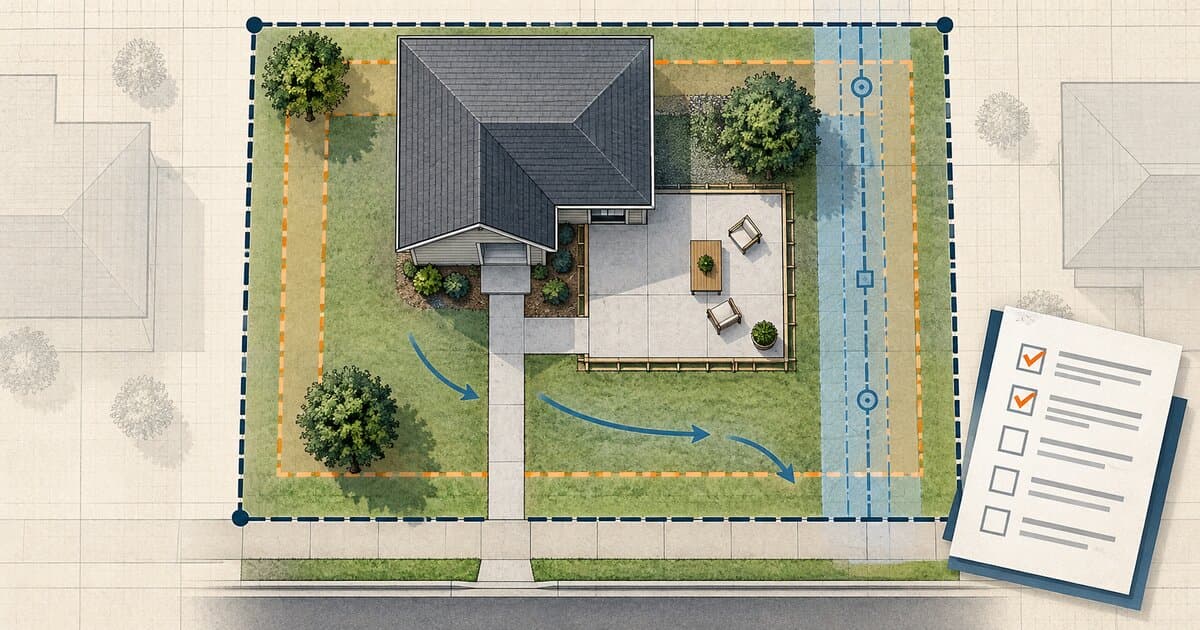
Do You Need a Permit to Pour Concrete? Patios, Slabs & Walkways
Pouring concrete may be permit-exempt or regulated depending on whether it is a patio, slab, walkway, driveway, structural base, or right-of-way work.
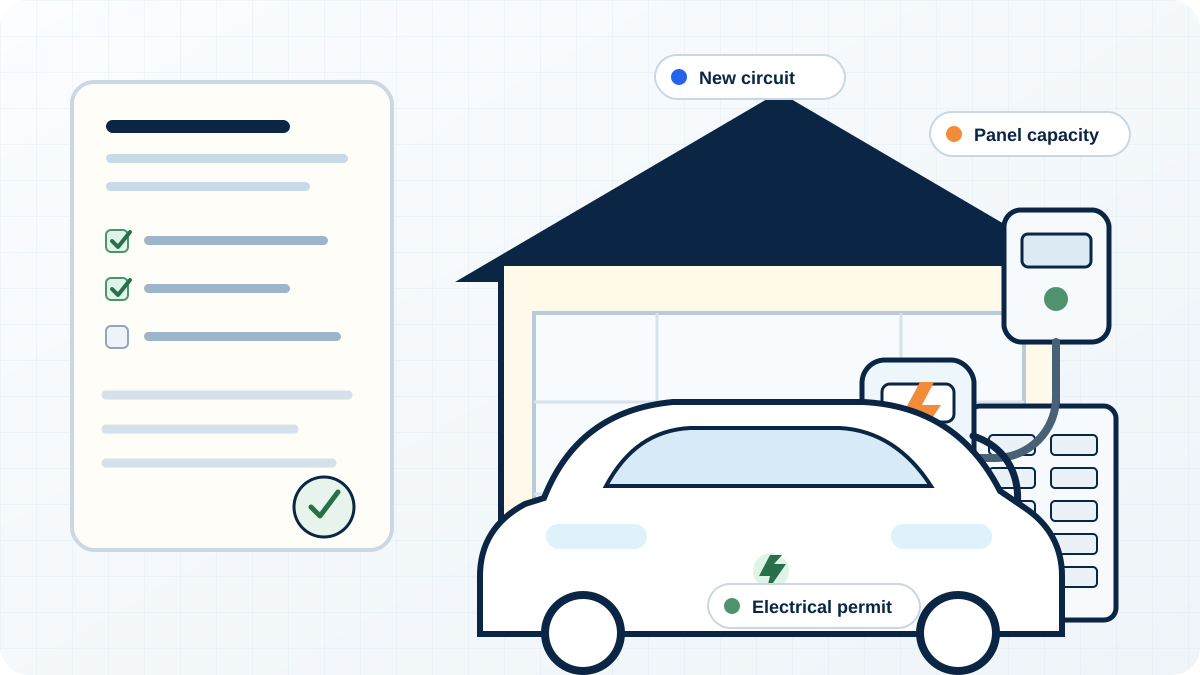
Do You Need a Permit for an EV Charger?
Learn when a home EV charger needs an electrical permit, when panel or service upgrades enter the project, and how inspection and utility coordination work.
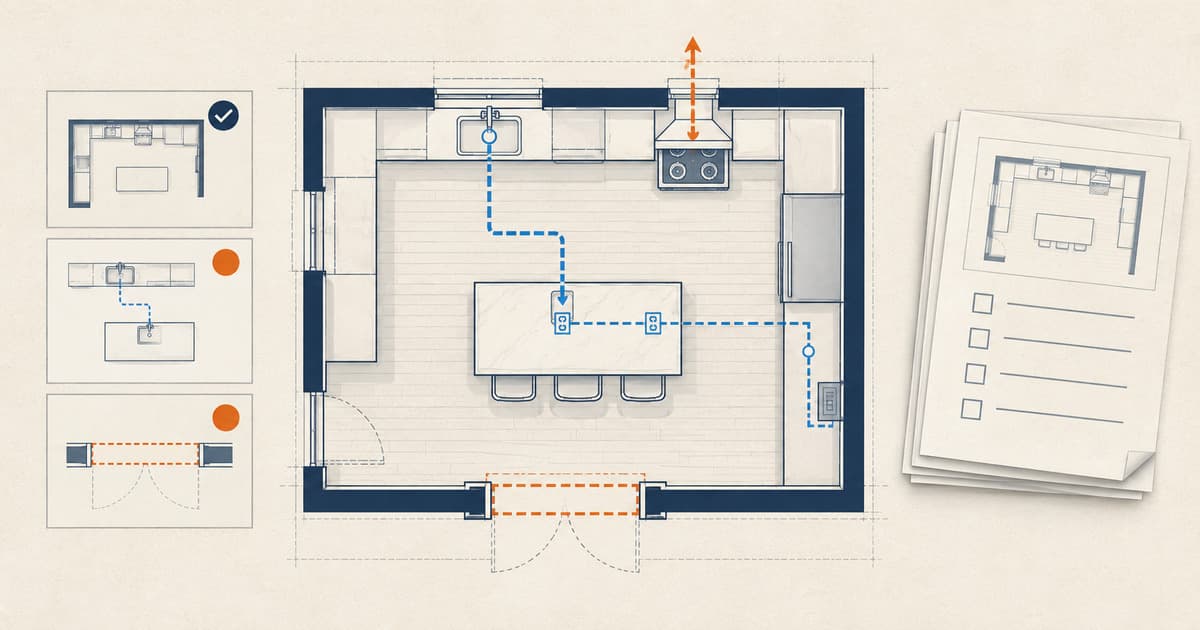
Do You Need a Permit for a Kitchen Remodel?
Learn when cabinets, sinks, islands, appliances, walls, wiring, plumbing, gas, or ventilation can change kitchen-remodel permit and inspection needs.