
Do I Need a Permit for a Fence in Chicago?
Chicago does not require a building permit for every residential fence, but height, opacity, front setbacks, landmarks, masonry walls, and trash enclosures can change the answer.
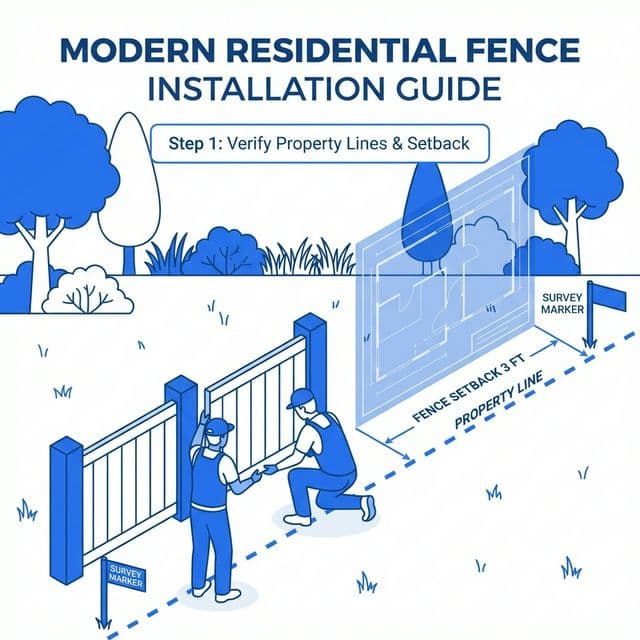
Direct Answer: In Chicago, a typical private-property fence that is no more than 5 feet high is often exempt from a building permit, but that does not mean every fence is automatically allowed. Chicago still regulates fence height, opacity, yard location, landmark status, masonry walls, trash enclosures, public-way encroachments, and zoning setbacks. If your fence is taller, solid in a front setback, part of a trash enclosure, masonry, on a landmark property, or near the public way, treat it as a permit/zoning question before you build.
Verified against official municipal and state sources: July 13, 2026. Requirements change — confirm with the city before applying.
Key Takeaways
- Chicago's permit guide says fences no more than 5 feet above grade are among the work types that may not need a building permit, but the exemption is conditional (City of Chicago permit-not-required FAQ).
- The Department of Buildings also has an Express Permit Program path for fence or trash-enclosure work when a permit is required (Fence or Trash Enclosure — EPP).
- Fences in a required front setback can trigger lower height/opacity limits; Chicago's EPP terms flag a 54-inch cap for residential front-setback fences that are more than 20 percent opaque (EPP fence terms).
- Landmark buildings and landmark districts can require preservation review even when ordinary fence work would be simple (Chicago landmark permit review).
- A fence built into the public way is a separate right-of-way problem, not just a DOB problem.
The Practical Rule
Start with three questions: how tall is the fence, where is it on the lot, and what is it made of? A short open fence in a rear yard is a different review problem than a solid front-yard privacy fence, a masonry wall, or a trash enclosure. Chicago's permit-exemption language is narrow: it protects simple work from building-permit review, not from zoning rules, landmark rules, or right-of-way restrictions.
If the fence is part of a trash enclosure, masonry wall, or other improvement that clearly falls outside the simple exemption, use the City's Fence or Trash Enclosure EPP instructions rather than guessing. If the property is a landmark or in a landmark district, check preservation review before ordering materials.
What to Check Before You Build
- Confirm the property is inside Chicago city limits, not a suburb with its own code.
- Locate the true property lines; the sidewalk, curb, or old fence may not mark the legal boundary.
- Identify whether the fence is in a front setback, side yard, rear yard, corner side yard, or public way.
- Check whether the property is landmarked or in a landmark district.
- Decide whether the work is a simple fence, a masonry wall, a trash enclosure, or part of a larger permitted project.
For general fence variables, see Fence Permit Rules: Height, Setbacks, and Property Lines Explained. For the citywide permit framework, see Getting a Building Permit in Chicago.
FAQ
Does Chicago require a permit for every fence?
No. The City's permit-not-required guidance includes fences no more than 5 feet high, but that exemption is conditional and does not waive zoning, landmark, or public-way rules.
Can I build a 6-foot privacy fence in my front yard?
Do not assume yes. Front-setback fences are more restricted than rear-yard fences, especially when opaque or solid.
Is a trash enclosure treated the same as a fence?
No. Chicago has a specific EPP path for fence or trash-enclosure work when it needs a permit.
Verify Your Address
Before you buy materials, run a permit check or review GovCodex's Chicago permit catalog so the answer is tied to your property, not a generic fence rule.
Related Articles
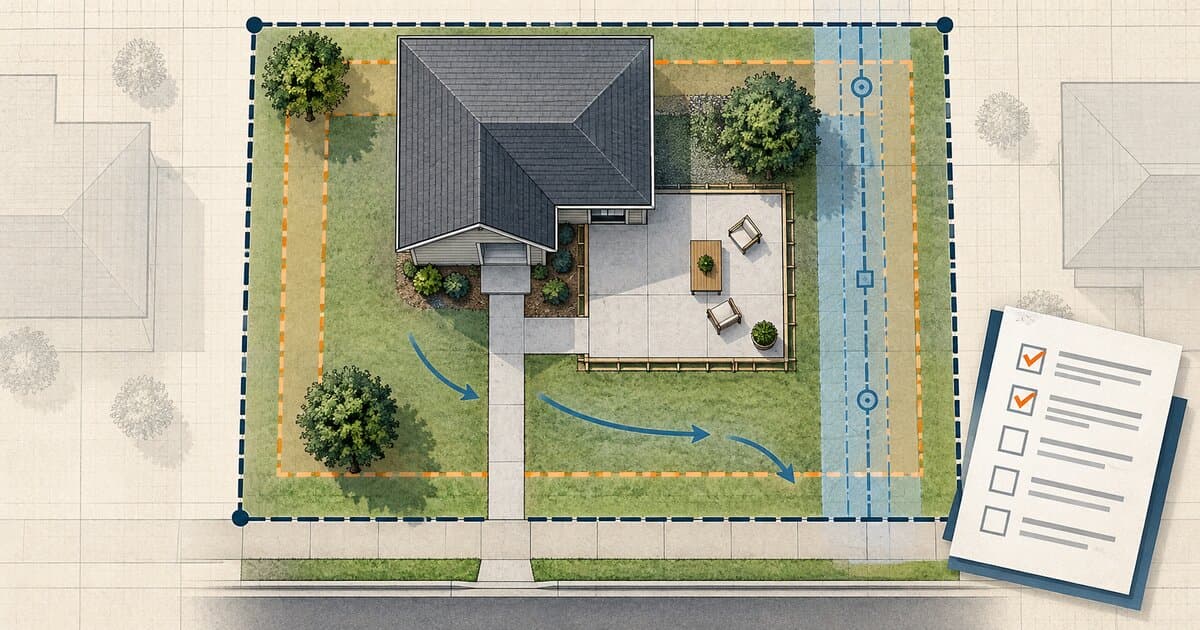
Do You Need a Permit to Pour Concrete? Patios, Slabs & Walkways
Pouring concrete may be permit-exempt or regulated depending on whether it is a patio, slab, walkway, driveway, structural base, or right-of-way work.
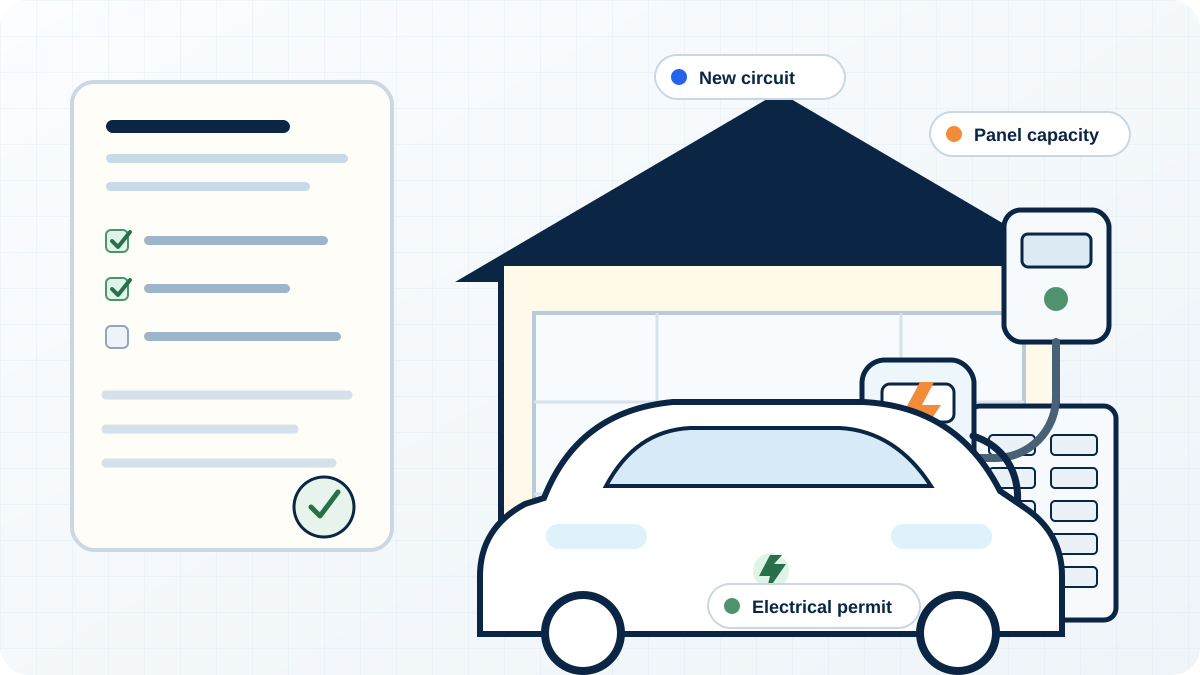
Do You Need a Permit for an EV Charger?
Learn when a home EV charger needs an electrical permit, when panel or service upgrades enter the project, and how inspection and utility coordination work.
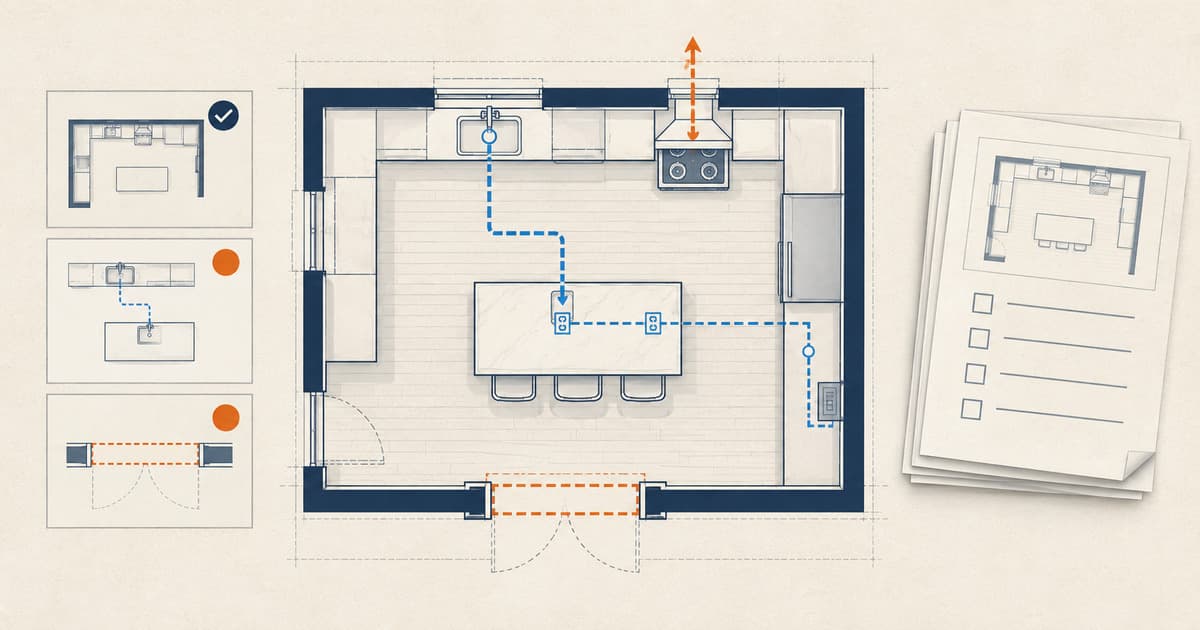
Do You Need a Permit for a Kitchen Remodel?
Learn when cabinets, sinks, islands, appliances, walls, wiring, plumbing, gas, or ventilation can change kitchen-remodel permit and inspection needs.