
AI vs Human Inspectors in 2026: How Cities Are Modernizing Permit Review at Scale
In 2026, cities are blending AI efficiency with human expertise to revolutionize permit reviews. Homeowners and investors gain faster approvals, lower costs, and smarter compliance tools.

Some cities across the U.S. are piloting hybrid systems that combine artificial intelligence (AI) and human inspectors to streamline permit reviews, aiming to speed up processing times while maintaining compliance standards and offering homeowners and property investors a faster, more transparent process.
The Rise of AI in Permit Review
How AI Streamlines the Process
AI tools now automate repetitive tasks like code checks, document validation, and initial risk assessments. For example, GovCodex’s AI can flag issues with electrical schematics or setback violations in seconds, reducing back-and-forth with reviewers.
Benefits for Homeowners and Investors
- Faster preliminary approvals in jurisdictions using AI-assisted review
- Real-time error detection in applications
- Lower costs from reduced delays
Some cities report fewer permit rejections as AI catches formatting and code issues before submission. However, AI tools still rely on human oversight for nuanced decisions.
The Enduring Role of Human Inspectors
Expertise Beyond Algorithms
While AI excels at pattern recognition, human inspectors remain critical for:
- Evaluating unique or high-risk projects (e.g., historic renovations)
- Interpreting ambiguous zoning rules
- Conducting on-site inspections for safety compliance
Handling Complex Cases
For instance, accessory dwelling unit (ADU) approvals often require human judgment on setback rules and design compatibility with neighbors. Similarly, zoning code disputes still demand expert mediation.
Balancing AI and Human Expertise
Hybrid Models for Efficiency
Leading municipalities now use tiered systems:
- AI-first: Routine projects (e.g., deck permits) are auto-approved if compliant.
- Human review: Complex applications or flagged issues go to seasoned inspectors.
Cities using this model report shorter backlogs, though results vary by jurisdiction.
Future Trends and How GovCodex Helps
By 2026, AI will also predict code violations before inspections occur (see How Cities Will Use AI in 2026 to Detect Violations Before Inspectors Arrive). Homeowners can use GovCodex’s tools to:
- Simulate permit requirements for renovations
- Track AI-reviewed applications in real time
- Access city-specific guides for AI-human hybrid processes
For property investors, understanding this shift is key. AI tools make bulk permit submissions faster, but savvy investors still consult human experts for high-stakes developments.
Ready to navigate 2026’s permit landscape? Explore GovCodex’s AI-powered solutions to cut project timelines and costs.
Further reading
Related Articles
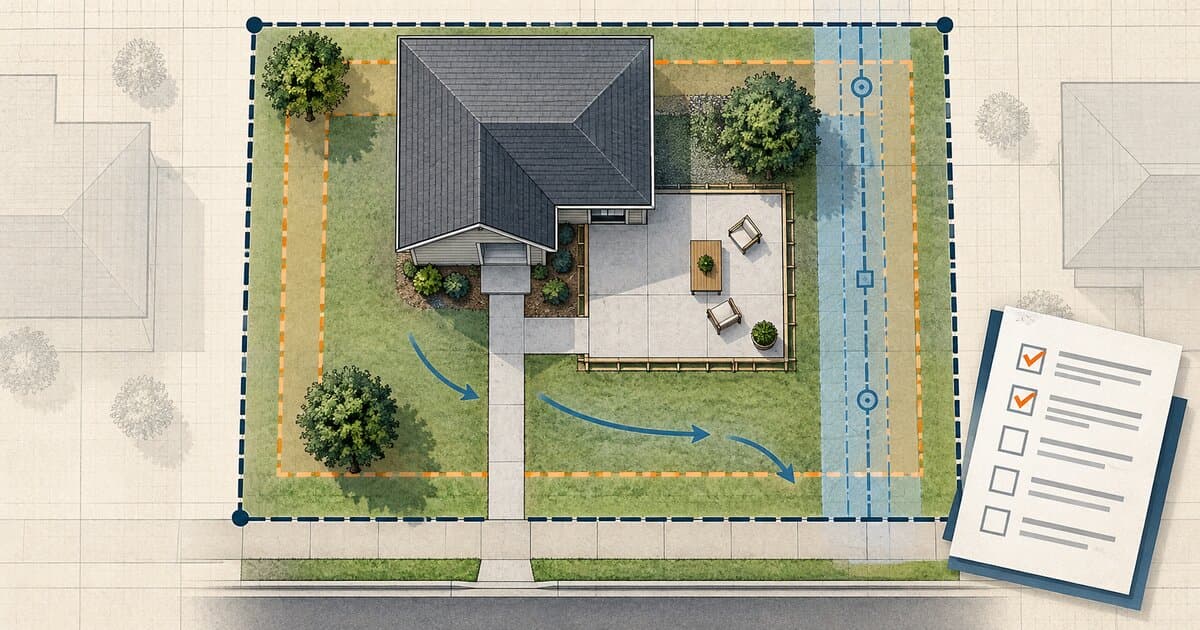
Do You Need a Permit to Pour Concrete? Patios, Slabs & Walkways
Pouring concrete may be permit-exempt or regulated depending on whether it is a patio, slab, walkway, driveway, structural base, or right-of-way work.
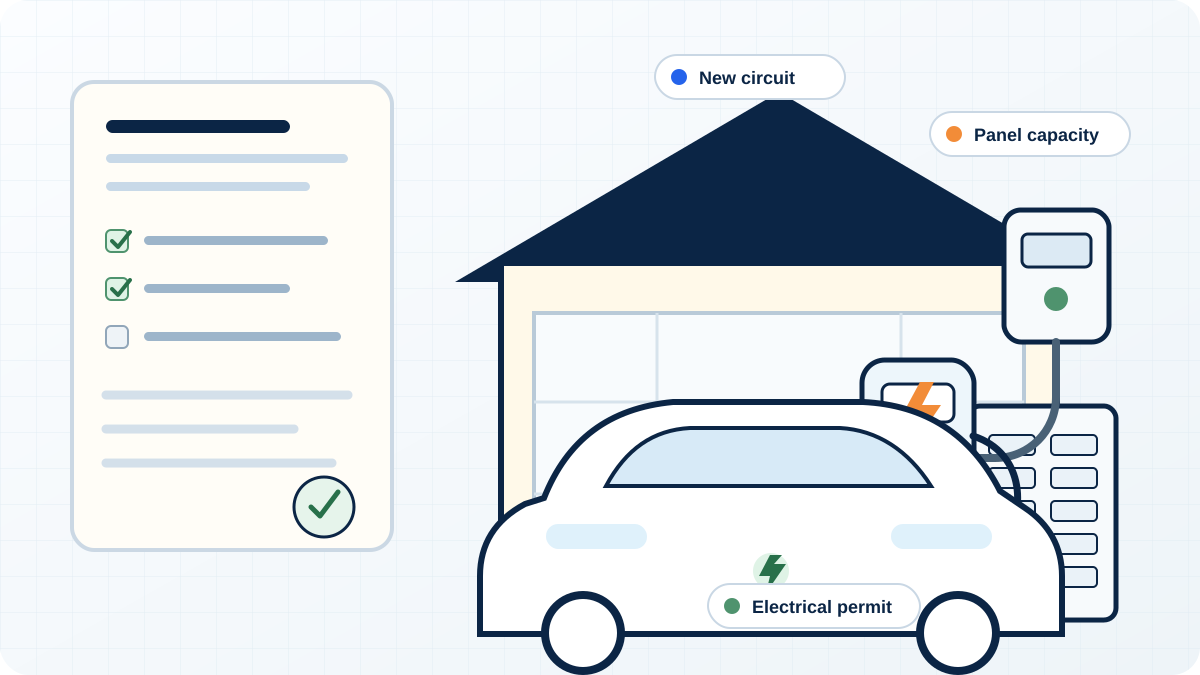
Do You Need a Permit for an EV Charger?
Learn when a home EV charger needs an electrical permit, when panel or service upgrades enter the project, and how inspection and utility coordination work.
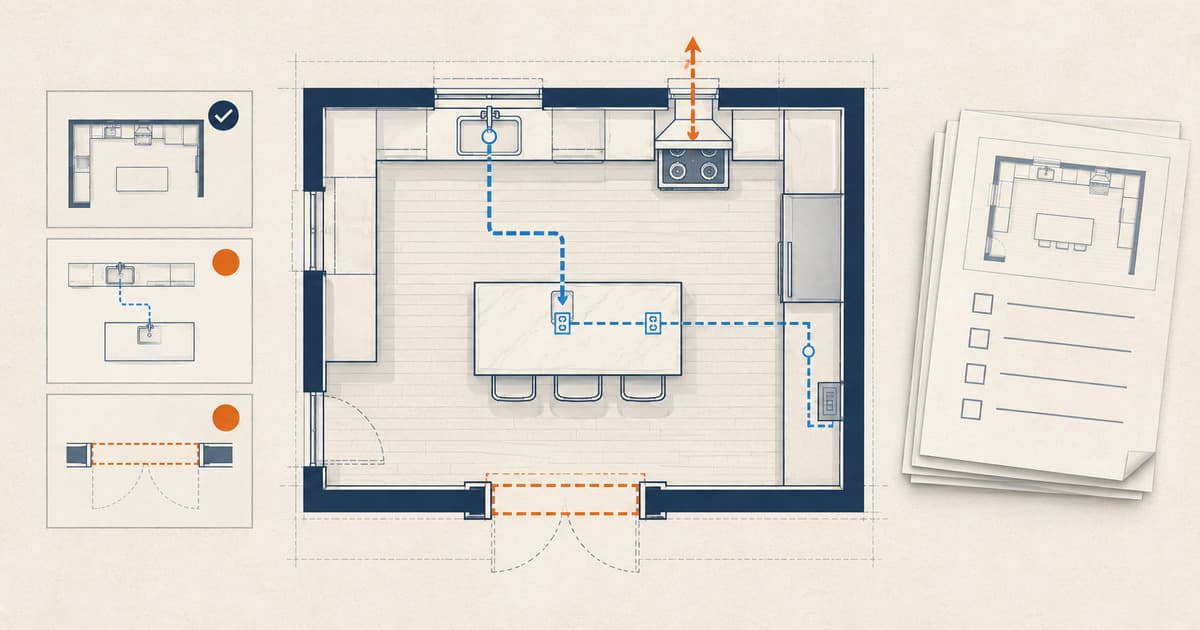
Do You Need a Permit for a Kitchen Remodel?
Learn when cabinets, sinks, islands, appliances, walls, wiring, plumbing, gas, or ventilation can change kitchen-remodel permit and inspection needs.