
Who Is Responsible for Pulling Permits? A Homeowner's and Contractor's Guide
Clarify permit responsibilities between homeowners and contractors to avoid delays and legal issues in your building project.

When planning a construction, renovation, or remodeling project, one of the first questions that often arises is: who is responsible for pulling permits? This decision can impact timelines, legal compliance, and overall project success. Understanding the roles and responsibilities of homeowners and contractors is essential to avoid delays and unnecessary complications. Let’s break it down.
Understanding Permit Basics
Building permits are official approvals from local government agencies that authorize construction, renovation, or demolition projects. Permits ensure that work complies with building codes, safety standards, and zoning laws. What is a permit? If a project requires electrical, plumbing, or structural changes, a permit is typically mandatory.
How to get a building permit often involves submitting detailed plans, paying fees, and scheduling inspections. Failure to secure the required permits can result in fines, halted projects, or even the need to undo completed work.
Homeowner vs. Contractor Responsibilities
Homeowner Responsibilities
Homeowners are ultimately responsible for ensuring their project has the proper permits, regardless of who pulls them. Key responsibilities include:
- Researching local permit requirements: Before hiring a contractor, homeowners should understand what permits are needed for their specific project.
- Reviewing contracts: Contracts should clearly state who is responsible for pulling permits. This clarity prevents disputes later.
Contractor Responsibilities
If a licensed contractor is hired, they are typically responsible for pulling permits as part of their services. Their responsibilities include:
- Filing for permits: Contractors have the knowledge and experience to submit complete and accurate permit applications.
- Handling inspections: Contractors usually coordinate with local authorities to schedule required inspections during the project.
- Maintaining compliance: They ensure that the project adheres to all building codes and permit conditions throughout the project.
Common Scenarios and Best Practices
1. DIY Projects:
Homeowners who take on major DIY projects must pull the permits themselves. This includes tasks like installing a new roof, building a deck, or plumbing work.
- Research the how long does it take to get a construction permit in your area before starting.
- Know where do you get a building permit for your project.
2. Hiring a Contractor:
When hiring a contractor, it's crucial to include permit responsibilities in the contract. A professional contractor should handle this as part of their service.
- Ask if they are licensed and experienced with local permit processes.
- Confirm who is responsible for pulling permits and inspections.
3. Subcontractor Situations:
In complex projects involving multiple subcontractors, the general contractor is typically responsible for pulling all necessary permits.
- Ensure the general contractor has a clear permit management process.
- Verify that all subcontractors comply with permit requirements.
Consequences of Not Pulling Permits
Failing to pull the necessary permits can lead to serious consequences, including:
- Fines or penalties: Local authorities may impose fines for unpermitted work.
- Project halts: If a project is discovered to be unpermitted, it may be stopped until proper permits are obtained.
- Resale complications: Unpermitted work can reduce a home’s value and make it harder to sell.
- Insurance issues: Some home insurance policies do not cover unpermitted work.
Tips for Smooth Permit Processing
To streamline the permit process, consider the following tips:
- Start early: The how long does it take to get a builders permit varies by location, but it’s wise to begin the process early to avoid delays.
- Submit complete applications: Incomplete applications can cause significant delays. Ensure all required documentation is included.
- Maintain open communication: Keep in touch with local authorities and contractors to ensure everything is progressing smoothly.
How GovCodex Can Help
Whether you’re a homeowner or contractor, GovCodex offers tools and resources to simplify the permit process. Our platform helps streamline how to get a building permit and ensures compliance with local regulations.
For Homeowners
- Access a user-friendly interface to research permit requirements.
- Connect with licensed contractors who understand local codes.
For Contractors
- Manage permit applications efficiently through a centralized platform.
- Stay compliant with local building codes and streamline inspections.
For more information on builders permits and how to get a copy of city permit, visit our GovCodex builder page.
Final Thoughts
Understanding who is responsible for pulling permits is critical to a successful construction or renovation project. Homeowners should always verify that permits are obtained, while contractors should take on the responsibility of pulling permits as part of their service. By clarifying these roles upfront, homeowners and contractors can avoid delays and legal issues, ensuring a smooth project from start to finish.
Further reading
- Everything You Need to Know About Getting a Building Permit for a Garage
- Baltimore Permits: A Comprehensive Guide for Homeowners and Contractors
- How to Apply for a Construction Permit: A Homeowner and Contractor Guide
Further reading
- Navigating Baltimore Permits for Homeowners and Contractors
- Understanding Commercial Permits: A Guide for Homeowners and Contractors
- How to Get a Copy of City Permit: A Homeowner’s and Contractor’s Guide
Further reading
- Navigating Baltimore Permits: A Homeowner and Contractor Guide
- Everything You Need to Know About Commercial Permits
- Understanding Building Permit Requirements for Homeowners and Contractors
Further reading
Related Articles
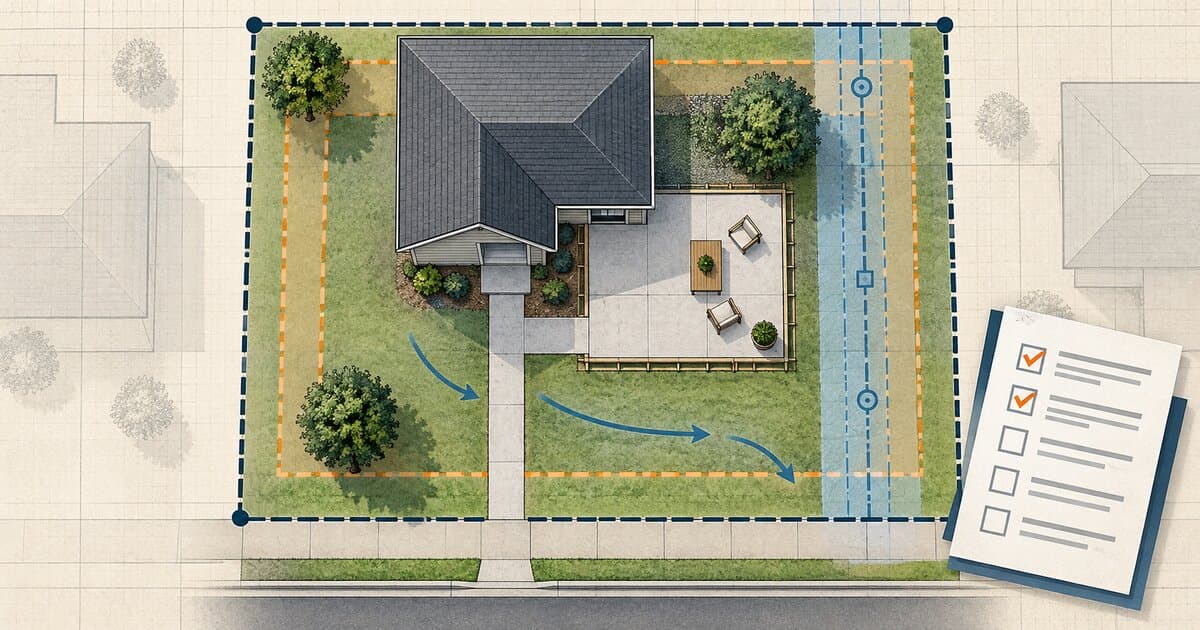
Do You Need a Permit to Pour Concrete? Patios, Slabs & Walkways
Pouring concrete may be permit-exempt or regulated depending on whether it is a patio, slab, walkway, driveway, structural base, or right-of-way work.
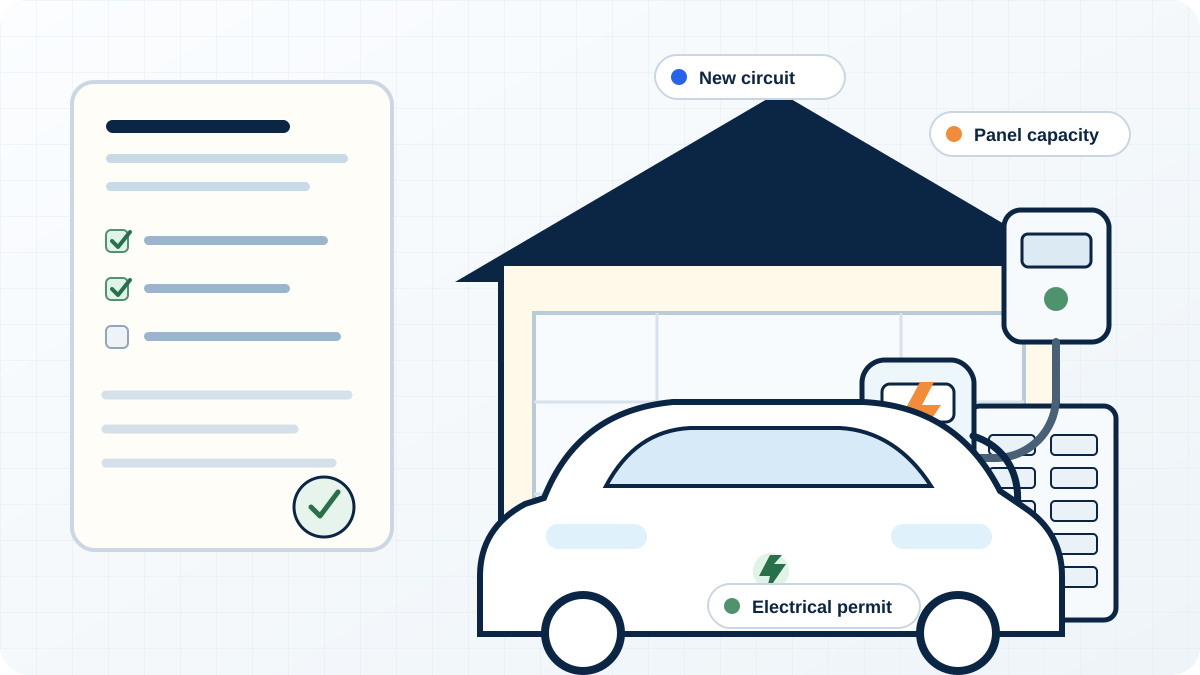
Do You Need a Permit for an EV Charger?
Learn when a home EV charger needs an electrical permit, when panel or service upgrades enter the project, and how inspection and utility coordination work.
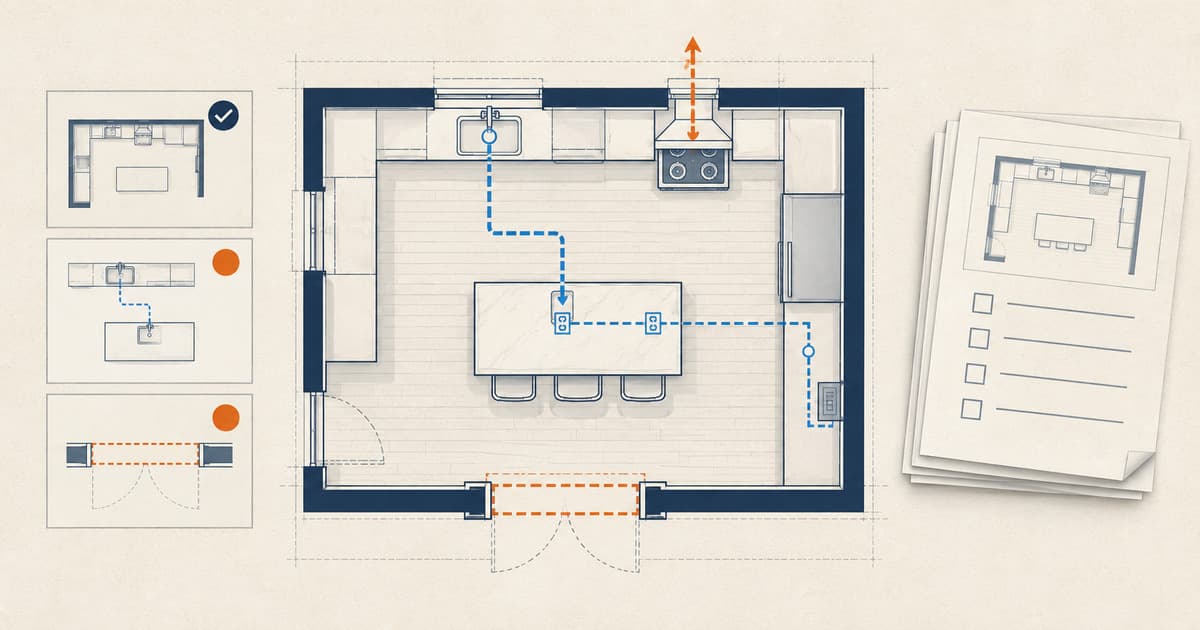
Do You Need a Permit for a Kitchen Remodel?
Learn when cabinets, sinks, islands, appliances, walls, wiring, plumbing, gas, or ventilation can change kitchen-remodel permit and inspection needs.