
Everything You Need to Know About Commercial Permits
Last Updated: 12/24/2025
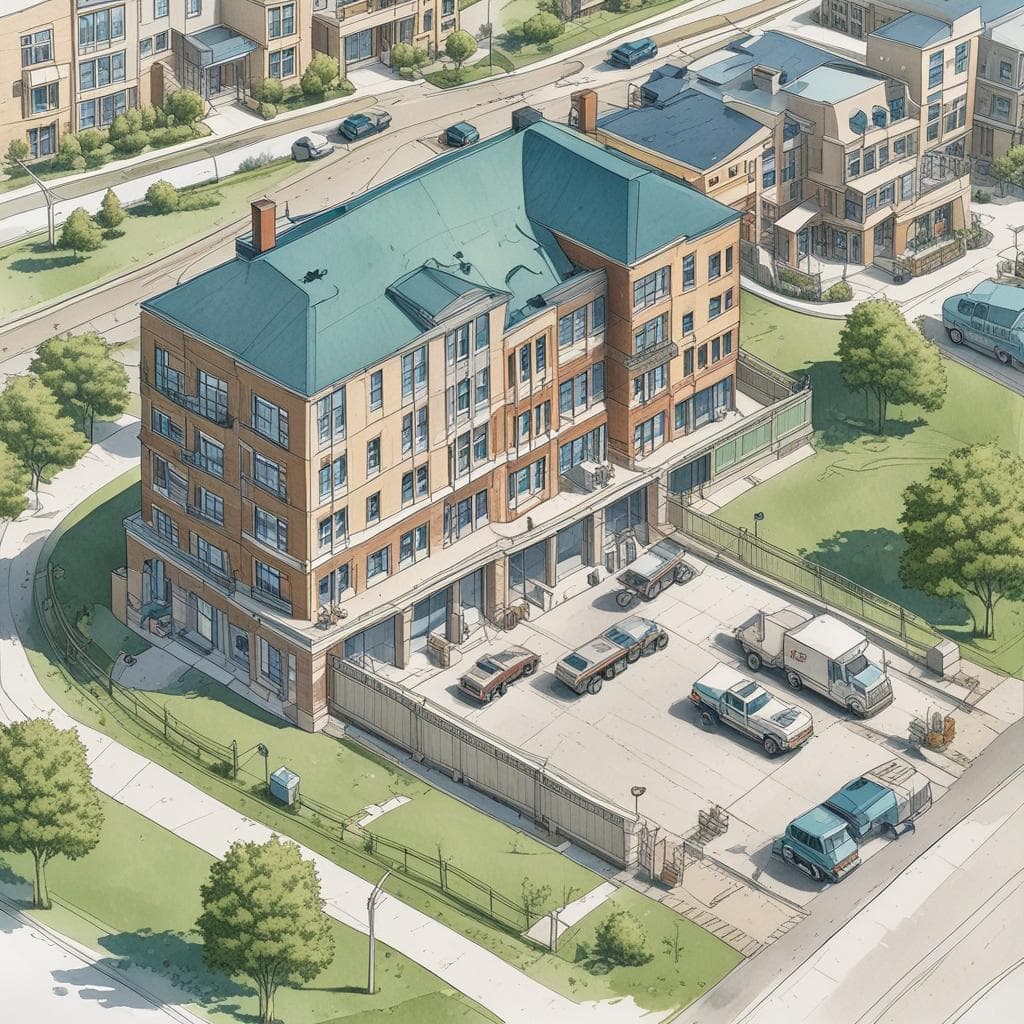
Commercial permits are essential for any construction or renovation project on commercial properties. These permits ensure that all work adheres to local building codes and safety regulations. For homeowners and contractors, understanding the commercial permit process is crucial for compliance and avoiding legal issues.
What is a Commercial Permit?
A commercial permit is an official authorization from the local government that allows the construction, renovation, or alteration of commercial properties. These permits apply to non-residential properties, including:
- Office buildings
- Retail stores
- Industrial facilities
- Multi-family housing (over four units)
Without the correct commercial permit, any work on these properties is considered illegal and can result in fines or legal action. For more details on different permit types, visit our permits page.
Why Commercial Permits Matter
Commercial permits are not just legal requirements—they are also crucial for safety and quality control. These permits ensure that all construction meets:
- Local building codes
- Fire safety standards
- Accessibility regulations (ADA compliance)
- Electrical, plumbing, and HVAC codes
By enforcing these standards, commercial permits help protect public safety and ensure that all buildings are structurally sound and safe for occupants.
The Commercial Permit Application Process
Obtaining a commercial permit involves several steps. Here's an overview of the process:
1. Determine Permit Requirements
The first step is to identify what type of commercial permit you need. This depends on the scope of your project. Common types include:
- Building permits
- Electrical permits
- Plumbing permits
- Mechanical permits
For more information on permit types, check out our permits guide.
2. Prepare Documentation
You'll need to submit detailed plans and documentation to the local building department. This typically includes:
- Site plans
- Architectural blueprints
- Engineering drawings
- Utility plans
The level of detail required varies by jurisdiction, but all plans must clearly show the scope of work and how it complies with local codes.
3. Submit the Application
Once you have your documentation ready, you can submit your permit application. This is usually done through the local government's permitting office. You'll need to pay a fee, which varies depending on the project's size and type.
4. Wait for Approval
After submitting your application, the local building department will review your plans. The time to get a building permit can vary, but it typically takes a few weeks. During this time, you may be asked to make revisions or provide additional information.
5. Schedule Inspections
Once your permit is approved, you'll need to schedule inspections at various stages of the project. These inspections ensure that the work is being done correctly and in compliance with the approved plans.
Common Mistakes to Avoid
Applying for a commercial permit can be complex, and mistakes can delay your project. Here are some common pitfalls to avoid:
Incomplete Documentation
One of the most common reasons for permit denial is incomplete or inaccurate documentation. Make sure all plans are detailed and meet local code requirements.
Skipping the Permit Process
Some contractors may be tempted to skip the permit process to save time or money. However, this can lead to serious consequences, including fines, legal action, and the need to redo the work at your expense.
Not Consulting Professionals
Commercial construction is complex, and working with experienced professionals can help you avoid costly mistakes. Consider hiring a licensed architect or contractor who understands local codes and permit requirements.
How GovCodex Can Help
Navigating the commercial permit process can be time-consuming and frustrating. That's where GovCodex comes in. Our platform helps you streamline the application process, track permit status, and ensure compliance with local regulations. Whether you're a homeowner or a contractor, GovCodex can save you time and money.
Frequently Asked Questions
How long does it take to get a commercial permit?
The time to get a commercial permit can vary depending on the jurisdiction and project complexity. On average, it can take anywhere from a few weeks to a couple of months. For more information on processing times, see how long does it take to get a construction permit.
Can I get a copy of my commercial permit?
Yes, you can usually get a copy of your commercial permit from the local building department. Some jurisdictions offer online access to permit records. For more details, check out how to get a copy of city permit.
Where do you get a commercial permit?
Commercial permits are typically obtained from the local government's permitting office. This can vary by city or county, so it's important to check with your local building department for specific requirements. For general guidance, see where do you get a building permit.
Conclusion
Commercial permits are a critical part of any commercial construction or renovation project. Understanding the process and requirements can help you avoid delays, fines, and legal issues. If you need help with your commercial permit application, GovCodex is here to assist you. Our platform makes it easier than ever to apply for and manage your commercial permits.
For more information on permit types and the application process, visit our permits page or builder resources.
Further reading
- Navigating Baltimore Permits: A Homeowner and Contractor Guide
- Understanding Building Permit Requirements for Homeowners and Contractors
- How Long Does It Take to Get a Construction Permit? A Homeowner's Guide
Further reading
Related Articles
Understanding Zoning Variances in Madison, WI: A Guide to Permits & Compliance
Navigate Madison’s zoning variance requirements with 2026 guidelines. Learn about setbacks, UDC compliance, and Wisconsin Act 211.
Navigating Baltimore Permits: A Homeowner and Contractor Guide
Understanding the Baltimore permit process is crucial for homeowners and contractors. Learn the essentials of obtaining and managing permits in the city.
Understanding Construction Permits for Homeowners and Contractors
A comprehensive guide to navigating construction permits for residential and commercial projects.