
What is Permitting? A Guide for Homeowners and Contractors
Last Updated: 12/24/2025
Permitting is the official process of obtaining approvals from local governments before starting construction, remodeling, or other building projects. Permits ensure work meets building codes, zoning laws, and safety standards. Failure to secure proper permits can result in fines, delays, or even forced demolition of non-compliant work.
Why Permits Are Required
Permits serve several critical functions:
- Public Safety: They ensure structures are built safely to protect occupants and the community.
- Code Compliance: Work must adhere to local building codes, electrical codes, and plumbing codes.
- Zoning Laws: Permits confirm projects align with land use regulations and neighborhood standards.
- Property Value: Legal, permitted work increases property value and avoids complications during resale.
Types of Permits Homeowners and Contractors May Need
Depending on the project, you may need one or more of the following permits:
- Building Permits: Required for new construction, structural changes, and major renovations.
- Electrical Permits: Needed for electrical system installations or modifications.
- Plumbing Permits: Required for plumbing work, including sewer connections.
- Mechanical Permits: Apply to HVAC systems, boilers, and other mechanical equipment.
- Zoning Permits: Necessary for changes in land use or structures that may affect zoning regulations.
For a detailed list of permits by project type, visit our permits page.
The Permitting Process: Step-by-Step
- Determine What Permits Are Needed: Research local requirements or use our builder tool for guidance.
- Prepare Documentation: Plans, specifications, and other required forms must be submitted for review.
- Submit the Application: Apply through the local building department or a centralized platform like GovCodex.
- Wait for Approval: Review times vary, but many cities offer real-time tracking for efficiency.
- Inspections: Approved projects must pass inspections at key stages of construction.
- Receive Final Approval: A signed certificate or digital confirmation confirms compliance.
The how long does it take to get a building permit and how long does it take to get a construction permit depends on the project and jurisdiction, but our platform helps streamline the process.
Common Mistakes to Avoid
To prevent delays or rejections, avoid these common pitfalls:
- Incomplete Applications: Ensure all forms and supporting documents are complete and accurate.
- Ignoring Zoning Laws: Verify your project complies with local zoning and land use rules.
- Skipping Inspections: All required inspections must be scheduled and passed.
- Working Without Permits: Always obtain permits before starting work, even for minor projects.
If you need help navigating the permitting process, check out our solutions for tools and resources designed to simplify compliance.
How GovCodex Helps
GovCodex is a digital platform that simplifies the permitting process for homeowners and contractors. Our services include:
- Permit Research: Quickly find out what permits are required for your project.
- Application Assistance: Step-by-step guidance for completing and submitting forms.
- Real-Time Tracking: Monitor the status of your permit applications online.
- Inspection Scheduling: Easily book and manage required inspections.
Whether you're a homeowner tackling a DIY project or a contractor managing large-scale builds, GovCodex helps you stay compliant and avoid costly mistakes.
For more information on how to get a building permit and where do you get a building permit, explore our resources and tools today.
Frequently asked questions
- How long does it take to get a permit?
- Do homeowners or contractors pull the permit?
- What documents are typically required?
Further reading
- Understanding Permit Construction for Homeowners and Contractors
- Everything You Need to Know About Getting a Building Permit for a Garage
- Baltimore Permits: A Comprehensive Guide for Homeowners and Contractors
Further reading
- Navigating Permit Construction: A Homeowner and Contractor Guide
- How to Obtain a Building Permit for a Garage: A Complete Guide for Homeowners and Contractors
- Navigating Baltimore Permits for Homeowners and Contractors
Further reading
- Where Do You Get a Building Permit? A Complete Guide for Homeowners and Contractors
- The Ultimate Guide to Permit Construction for Homeowners and Contractors
- How to Obtain a Building Permit for a Garage: A Homeowner's Guide
Further reading
Related Articles
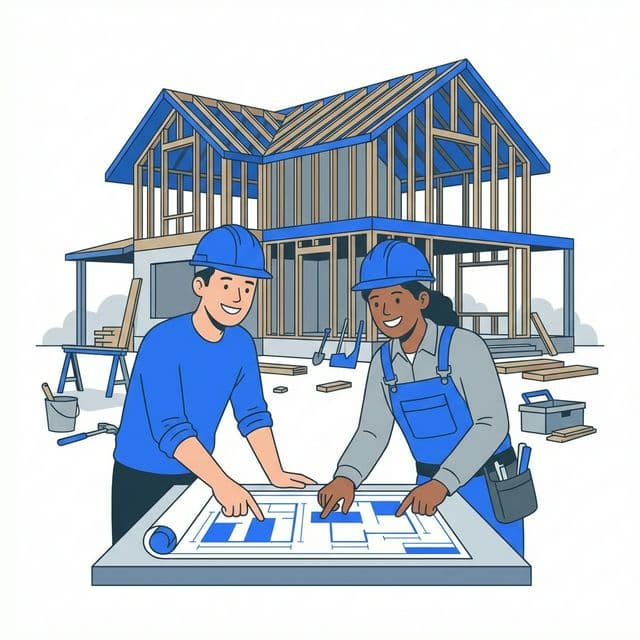
The Ultimate Guide to Permit Construction for Homeowners and Contractors
Navigate the permit construction process with ease. Learn the requirements, timelines, and how GovCodex helps streamline the approval process for your project.
Understanding Building Permits: Real-World Examples and Key Requirements
Explore real building permit examples and learn what's needed to obtain a permit for your construction project.
The Streamlined Process of Seeking Construction Permits Approvals
Demystify the construction permit approval process for homeowners and contractors. Learn how to navigate local requirements and expedite approvals.