
Where Do You Get a Building Permit? A Complete Guide for Homeowners and Contractors
Last Updated: 12/24/2025
If you're planning a construction project, the first step is to understand where to get a building permit and what the process entails. Building permits ensure your work meets local safety and zoning standards, and skipping this step can lead to fines or legal issues. Below, we'll cover where you can get a building permit, what's required, and how to streamline the process.
Understanding Building Permits
A building permit is an official document issued by a local government or municipal authority that allows you to begin construction, renovation, or other property-related work. It ensures your project complies with building codes, zoning laws, and safety regulations. Without a valid permit, your project could be halted or face legal consequences.
Common types of permits include:
- Residential construction permits
- Electrical and plumbing permits
- Demolition permits
- Home addition permits
Where Do You Get a Building Permit?
Local Government Offices
The primary place to get a building permit is your local government office, such as the city or county building department. You can typically apply in person, online, or by mail. Most cities have an online portal where you can submit applications, check the status, or access required forms. For example, GovCodex offers a streamlined platform to manage your permit applications and track their status in real time.
Online Permitting Platforms
Online platforms like GovCodex allow homeowners and contractors to apply for building permits from anywhere. These platforms often integrate with local government systems, making it easier to submit plans, pay fees, and receive approvals. Many platforms also provide guidance on local requirements and help avoid common mistakes.
Contractors and Builders
If you're working with a contractor, they may handle the permit application process for you. However, it's essential to confirm that they have the necessary experience and knowledge of local building codes. You can also use a dedicated builder platform like GovCodex Builder to manage your project's permitting and compliance efficiently.
The Permit Application Process
The permit application process typically involves the following steps:
- Determine What Permits You Need: Review your project plans to identify the specific permits required. This includes building permits, electrical permits, plumbing permits, and any additional permits for your location.
- Submit an Application: Complete the application form, which includes project details, drawings, and other documentation. You may also need to pay a fee.
- Wait for Approval: Once submitted, your application will be reviewed by local officials. The processing time varies by location and project type. On average, it can take 5-10 business days, but some projects may take longer. For more details, see how long does it take to get a building permit.
- Schedule Inspections: After approval, you must schedule inspections at key stages of your project to ensure compliance with building codes.
Why Permits Matter: Legal and Safety Considerations
Building permits are not just a formality—they serve a crucial role in ensuring the safety of your project. Here's why:
- Safety Compliance: Permits ensure your construction meets fire safety, structural integrity, and electrical standards.
- Property Value: Completed projects with proper permits can increase your home's value and avoid future legal issues.
- Insurance Coverage: Many insurance policies do not cover damage or losses from unpermitted work.
Common Mistakes to Avoid
To streamline the permit process, avoid these common errors:
- Skipping the Permit: Some minor projects may not require a permit, but it's essential to confirm with your local authority.
- Incomplete Documentation: Missing or incorrect information can delay approval. Always double-check submission requirements.
- Ignoring Zoning Laws: Ensure your project aligns with local zoning regulations to prevent rejections.
Conclusion
Getting a building permit is a necessary step in any construction or renovation project. By understanding where to apply and following the process correctly, you can avoid delays and legal issues. If you're unsure about the requirements, consider using a platform like GovCodex to guide you through the permitting process.
For more information on how to get a building permit or to access a copy of a city permit, explore our Permit Resources or contact a local building department. With the right tools and knowledge, you can ensure your project is completed safely and efficiently.
Frequently asked questions
- How long does it take to get a permit?
- Do homeowners or contractors pull the permit?
- What documents are typically required?
Further reading
- What is Permitting? A Guide for Homeowners and Contractors
- The Ultimate Guide to Permit Construction for Homeowners and Contractors
- How to Obtain a Building Permit for a Garage: A Homeowner's Guide
Further reading
Related Articles
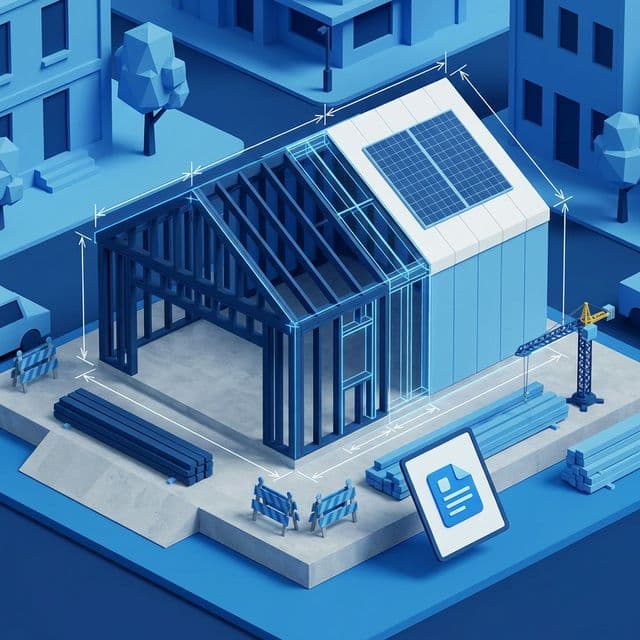
How to Obtain a Building Permit for a Garage: A Homeowner's Guide
A comprehensive guide for homeowners and contractors on securing a building permit for a garage project, including key requirements and timelines.
Navigating Baltimore Permits: A Homeowner and Contractor Guide
Understanding the Baltimore permit process is crucial for homeowners and contractors. Learn the essentials of obtaining and managing permits in the city.
Demystifying the Building Permit Process for Homeowners and Contractors
Navigate the building permit process with confidence. This guide covers essential steps, timelines, and requirements for homeowners and contractors.