
Understanding the Certificate of Occupancy Timeline in Door County
Real estate agents in Door County need to know the certificate of occupancy timeline to ensure smooth property transactions and avoid legal issues.
As a real estate agent in Door County, understanding the certificate of occupancy timeline is crucial to ensuring a smooth transaction for your clients. This document confirms a property is safe and legal for occupancy, and delays can cause significant issues in the buying or selling process.
What is a Certificate of Occupancy?
A certificate of occupancy (CO) is an official document issued by local authorities confirming a property meets all building codes and is safe for habitation. In Door County, this is typically handled by the GovCodex team, which ensures all properties meet state and local standards before issuing the CO.
Certificate of Occupancy Timeline Overview
The timeline for obtaining a certificate of occupancy in Door County can vary depending on several factors:
- New Construction: For newly built properties, the timeline usually takes between 4 to 6 weeks, assuming all inspections are passed without issues.
- Renovations or Repurposing: If the property is being renovated or repurposed (e.g., turning a commercial space into a residential unit), the timeline may extend to 6 to 8 weeks due to additional inspections and paperwork.
- Existing Properties: For existing properties that are already in compliance and have not undergone major changes, the process may be expedited, sometimes taking only 2 to 3 weeks.
Key Steps in the Certificate of Occupancy Process
Here’s a breakdown of the process and how long each step typically takes:
1. Submit Application
The first step is to submit a complete application to the local building department. This includes plans, permits, and proof of compliance with zoning and safety regulations. This step can take 1 to 3 business days once all documents are submitted.
2. Inspection Process
After the application is accepted, a series of inspections will be conducted to ensure the property meets all building and safety codes. This includes structural, electrical, plumbing, and fire safety inspections. The inspection process can take 2 to 4 weeks, depending on the complexity of the project.
3. Approval and Issuance
If all inspections are passed, the certificate of occupancy is issued. This final step typically takes 3 to 5 business days. In some cases, additional paperwork may be required, which could extend the timeline.
Factors That Can Delay the Certificate of Occupancy Timeline
Several factors can cause delays in the certificate of occupancy process. Being aware of these can help you manage expectations and avoid surprises during a transaction:
- Incomplete or Inaccurate Applications: Missing documentation or incorrect information can lead to rejections or delays.
- Failed Inspections: If the property fails an inspection, the timeline will be extended while corrections are made.
- High Demand: During peak construction or renovation seasons, processing times may increase due to higher volume.
How Real Estate Agents Can Help Expedite the Process
Real estate agents can play a vital role in ensuring a smooth and timely certificate of occupancy process:
- Work with Experienced Builders: Partnering with builders who understand local regulations and have a track record of compliance can help avoid delays.
- Coordinate with GovCodexs: Utilize the GovCodex platform to streamline the application and inspection process.
- Stay Informed: Keep up-to-date with local building codes and requirements to ensure your clients are prepared for the process.
Conclusion
Understanding the certificate of occupancy timeline in Door County is essential for real estate agents. By being proactive and working with the right professionals, you can ensure a smooth and timely transaction for your clients.
Further reading
- Understanding Permit Construction for Homeowners and Contractors
- Everything You Need to Know About Getting a Building Permit for a Garage
- Baltimore Permits: A Comprehensive Guide for Homeowners and Contractors
Further reading
- Navigating Permit Construction: A Homeowner and Contractor Guide
- How to Obtain a Building Permit for a Garage: A Complete Guide for Homeowners and Contractors
- Navigating Baltimore Permits for Homeowners and Contractors
Further reading
- The Ultimate Guide to Permit Construction for Homeowners and Contractors
- How to Obtain a Building Permit for a Garage: A Homeowner's Guide
- Navigating Baltimore Permits: A Homeowner and Contractor Guide
Further reading
Related Articles
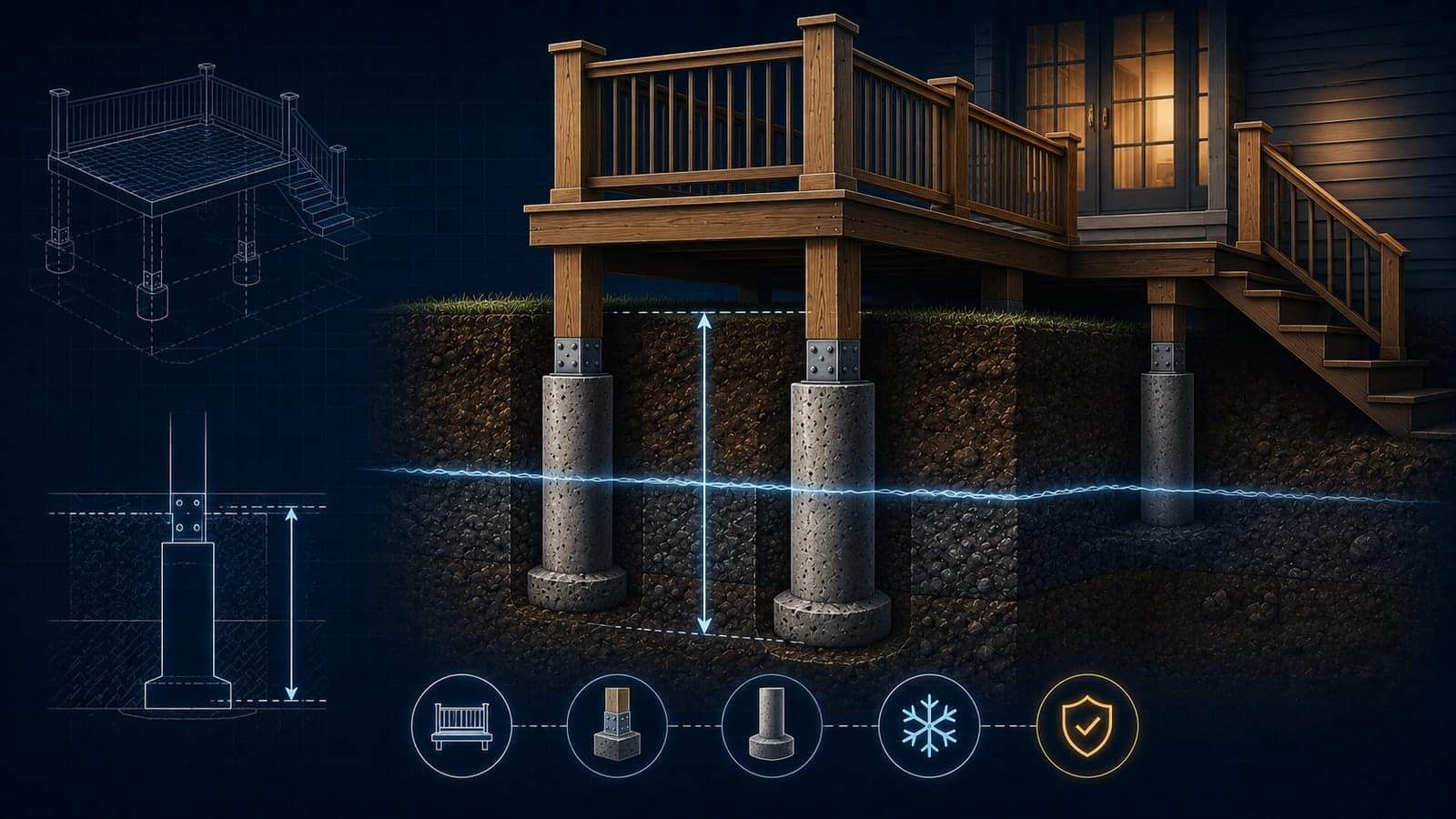
Do I Need a Permit for a Deck in Rochester, MN?
Rochester, MN requires a building permit for any attached deck, and for freestanding decks 30 inches or more above grade, per Community Development's 2020 Minnesota Residential Code and Unified Development Code setback rules.
Illinois Building Codes After 2025: State Baseline and Local Rules
Illinois now has a statewide structural baseline, but local departments still control permits, amendments, zoning, and inspections. Learn the two code paths and project overlays.
The Minnesota State Building Code: One Code, Many Administrators
Minnesota has one statewide construction standard, while local adoption and state jurisdiction determine who administers permits and inspections for a property.