
The 2026 Homeowner Guide to Permits: What Requires Approval in Every State
Navigate 2026 permit requirements with this state-by-state guide. Avoid delays and fines with expert tips for homeowners and investors.

Why Permits Matter for Homeowners and Investors
Permits ensure safety, compliance, and property value. Skipping required approvals can lead to fines, project delays, or legal battles. In 2026, many U.S. municipalities use digital tracking systems to flag violations early—making due diligence critical.
Common Projects Requiring Permits in 2026
Renovations and Additions
- Kitchen or bathroom remodels above your local permit-value threshold
- Room additions or structural changes
- Roof replacements (partial or full)
New Construction and Major Repairs
- Decks above your local size or elevation threshold
- Demolition of buildings above your local size threshold
- Foundation repairs above your local permit-value threshold
Electrical, Plumbing, and HVAC Work
- Circuit panel upgrades
- New water lines or septic system installations
- Ductwork modifications
Fences, Driveways, and Landscaping
- Fences above your local height limit in residential zones
- Driveway expansions or pavement
- Tree removal (species- and size-specific rules)
State-by-State Permit Requirements
Permit thresholds vary drastically by state and even by municipality within the same state—fence heights, deck permit thresholds, and tree-removal rules all differ locally. Check your local building department or GovCodex's state directory for the exact rules that apply to your property.
How to Streamline Your Permit Process
- Use AI-powered tools: GovCodex’s Builder Portal auto-generates required forms based on your project scope and ZIP code.
- Leverage local partnerships: Our solutions page connects you with pre-vetted contractors familiar with municipal requirements.
- Submit digitally: Many jurisdictions now offer instant permit status updates via mobile apps (see our permit guide).
Staying Ahead with AI and Modern Permit Tools
The 2026 shift to AI is transformative. Some cities are piloting predictive algorithms that flag potential violations before inspections, aiming to shorten project timelines. See How AI Permit Assistants Are Changing Project Timelines for more.
Zoning codes are also evolving. A growing number of states now allow accessory dwelling units (ADUs) with simplified permitting. Check our ADU state breakdown for investment opportunities.
Conclusion
Permit complexity is rising, but so are the tools to manage it. Use GovCodex’s state-specific guides, AI form builder, and contractor network to stay compliant and accelerate approvals in 2026.
Further reading
Related Articles
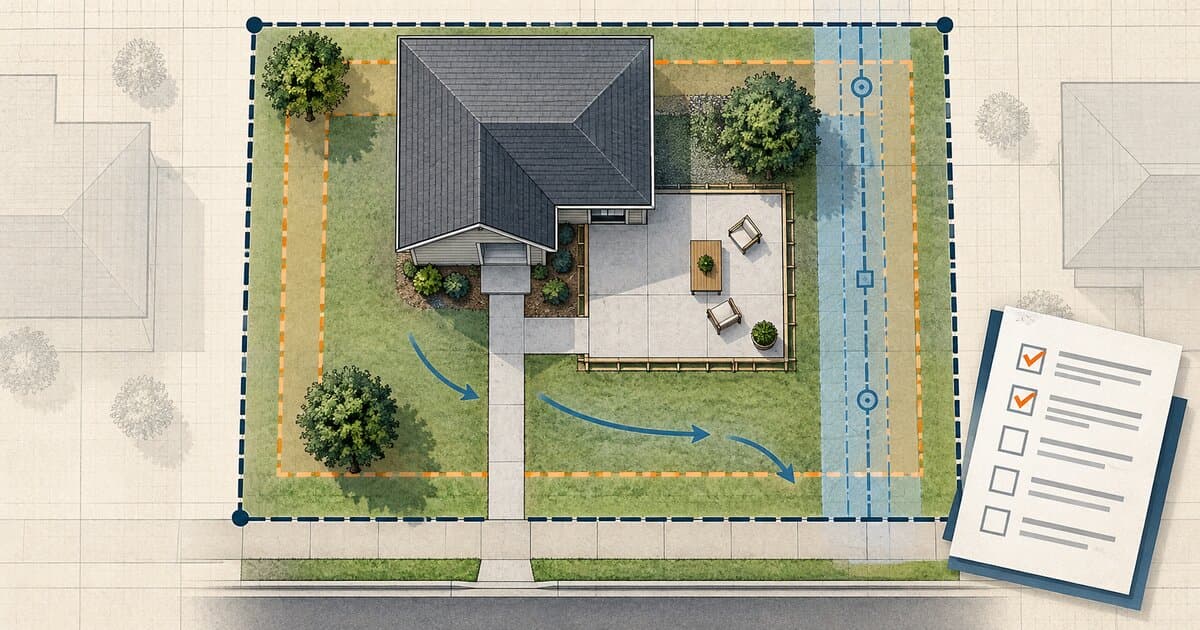
Do You Need a Permit to Pour Concrete? Patios, Slabs & Walkways
Pouring concrete may be permit-exempt or regulated depending on whether it is a patio, slab, walkway, driveway, structural base, or right-of-way work.
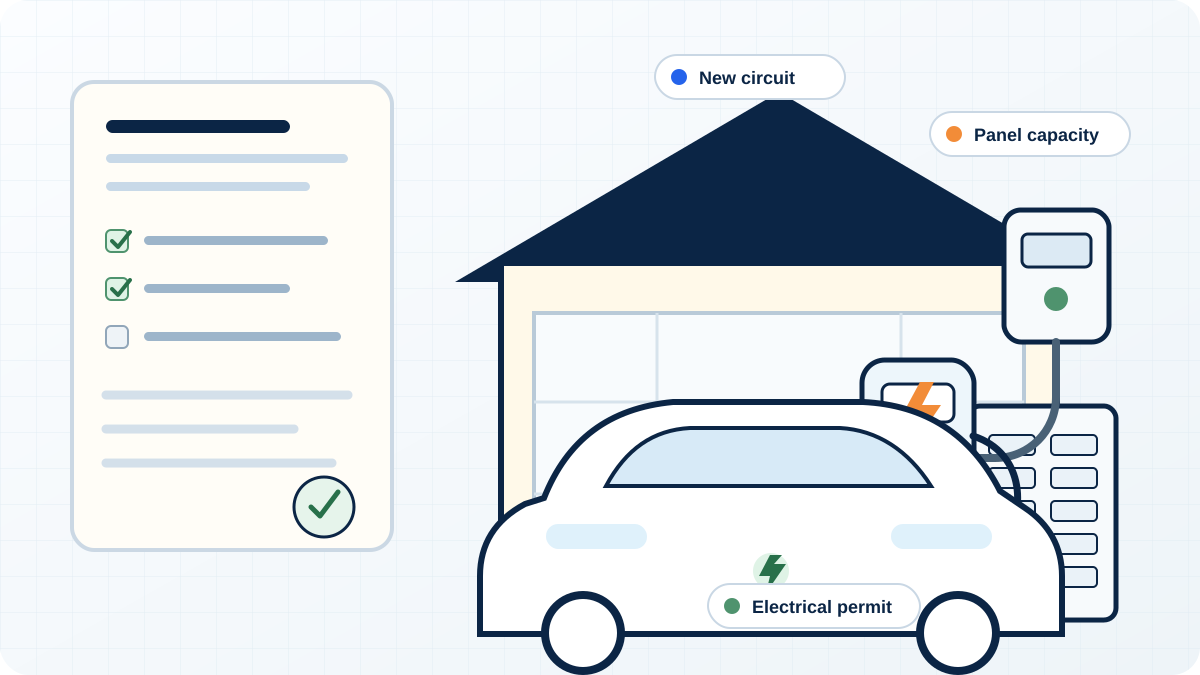
Do You Need a Permit for an EV Charger?
Learn when a home EV charger needs an electrical permit, when panel or service upgrades enter the project, and how inspection and utility coordination work.
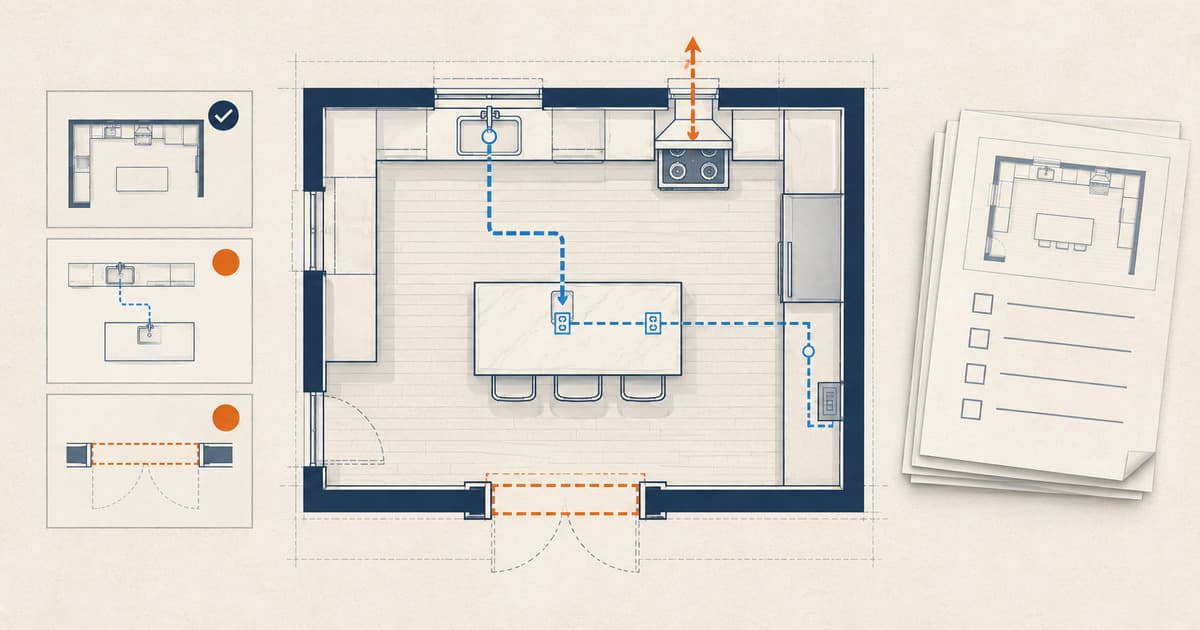
Do You Need a Permit for a Kitchen Remodel?
Learn when cabinets, sinks, islands, appliances, walls, wiring, plumbing, gas, or ventilation can change kitchen-remodel permit and inspection needs.