
Understanding Residential Building Permits for Homeowners
Navigate the permit process for your home remodel with confidence. Learn what permits you need and how GovCodex can help.
If you're planning a residential remodel, one of the first steps you need to take is understanding the requirements for residential building permits. These permits are essential for ensuring that your project meets local building codes, safety standards, and zoning regulations. Without the proper permits, you risk fines, delays, or even being forced to undo your work.
What Is a Residential Building Permit?
A residential building permit is an official approval from your local government that allows you to proceed with construction, renovation, or other structural changes to your home. This includes projects like:
- Adding a room or extending your home
- Installing new electrical, plumbing, or HVAC systems
- Building a deck or patio
- Replacing a roof
These permits are designed to protect homeowners and ensure that all work is done safely and up to code.
Why You Need a Residential Building Permit
Obtaining a residential building permit is not just a bureaucratic formality—it’s a critical part of any remodeling project. Here's why:
- Safety: Permits ensure that your work meets fire, electrical, and structural safety standards.
- Legal compliance: Without a permit, your project could be deemed illegal, and you might face fines or be required to undo the work.
- Home value: Permits help ensure that your project adds value rather than decreases it.
- Insurance: If you do work without permits and later have an issue (e.g., a fire), your insurance might not cover the damage.
How to Apply for a Residential Building Permit
The process for applying for a residential building permit can vary by location, but the general steps include:
1. Determine What Permits You Need
Not all projects require the same permits. For example, a small kitchen renovation might need a plumbing permit but not a structural one. Use GovCodex's permit guide to identify which permits apply to your specific project.
2. Prepare Your Plans and Documentation
You’ll need detailed plans for your project, including blueprints, electrical diagrams, and any other documentation required by your local authority. If you're working with a contractor, they should help with this.
3. Submit Your Application
Applications are typically submitted to your local building department. You'll need to pay a fee, which is usually based on the project's cost or scope.
4. Await Approval and Schedule Inspections
Once your application is approved, you’ll need to schedule inspections at various stages of the project to ensure compliance with local codes.
Common Projects That Require Residential Building Permits
Here are some common home remodeling projects that almost always require residential building permits:
- Adding a second story or an addition
- Building a new room or finished basement
- Installing new electrical wiring or panels
- Replacing a roof or windows
- Constructing a deck or patio
If you're unsure, it's always best to check with your local building department or use GovCodex's tools to confirm.
How GovCodex Can Help
Managing the residential building permits process can be time-consuming and confusing. That's where GovCodex comes in. Our platform helps homeowners and contractors:
- Quickly determine what permits are required
- Access the correct forms and documentation
- Track application status and deadlines
- Stay compliant with local codes
With GovCodex, you can streamline the permit process and focus on making your remodeling dreams a reality.
Final Thoughts
Understanding residential building permits is a crucial part of any home remodeling project. By obtaining the right permits, you not only ensure the safety and legality of your work but also protect your investment. If you're planning a remodel, don’t skip this step—use GovCodex to make the process easier, faster, and more efficient.
Further reading
- Understanding Residential Building Permits: A Homeowner's Guide to Remodeling Success
- Understanding Permit Construction for Homeowners and Contractors
- Everything You Need to Know About Getting a Building Permit for a Garage
Further reading
- Understanding Residential Building Permits: A Homeowner's Guide to Remodeling Success
- Navigating Permit Construction: A Homeowner and Contractor Guide
- How to Obtain a Building Permit for a Garage: A Complete Guide for Homeowners and Contractors
Further reading
- Understanding Residential Building Permits: A Homeowner's Guide to Remodeling Success
- The Ultimate Guide to Permit Construction for Homeowners and Contractors
- How to Obtain a Building Permit for a Garage: A Homeowner's Guide
Further reading
Related Articles
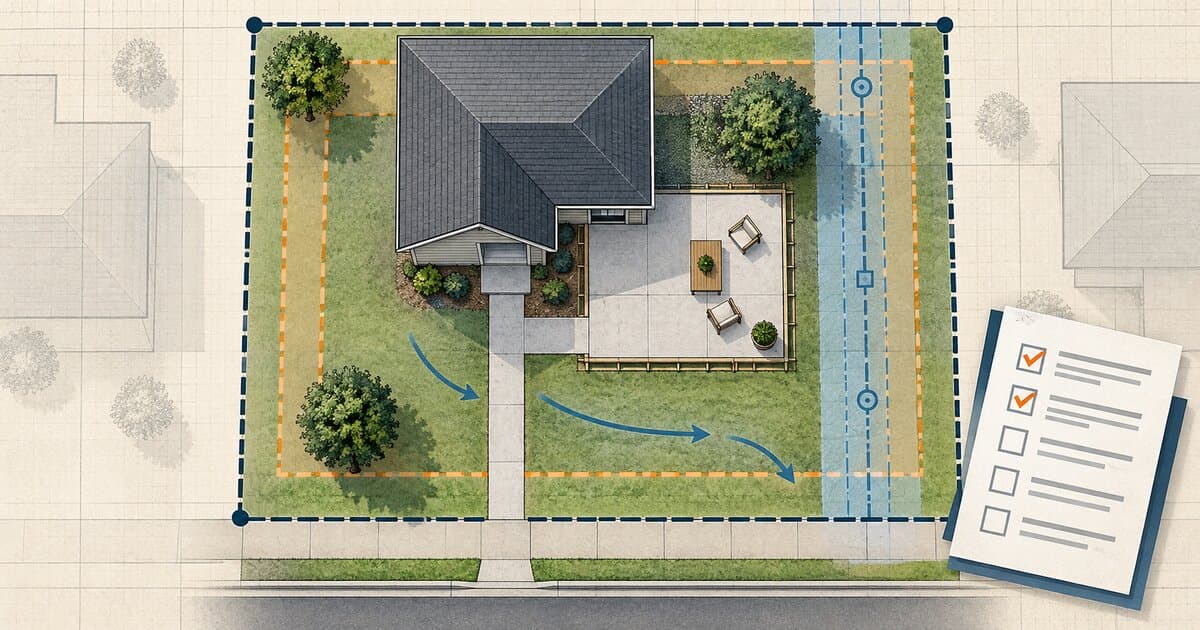
Do You Need a Permit to Pour Concrete? Patios, Slabs & Walkways
Pouring concrete may be permit-exempt or regulated depending on whether it is a patio, slab, walkway, driveway, structural base, or right-of-way work.
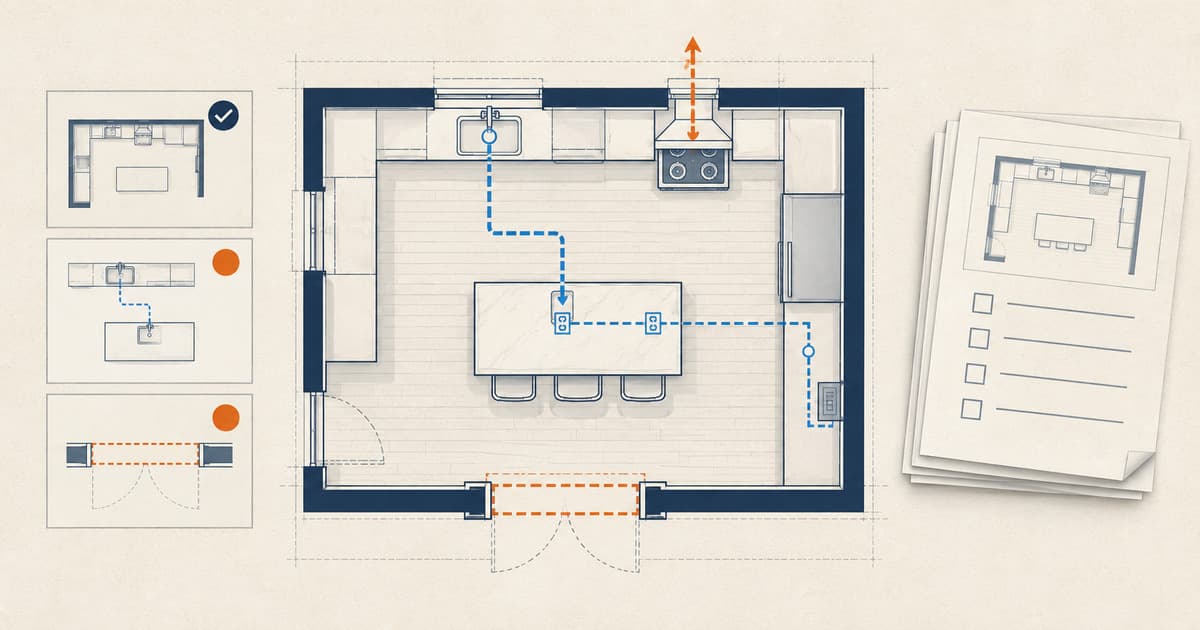
Do You Need a Permit for a Kitchen Remodel?
Learn when cabinets, sinks, islands, appliances, walls, wiring, plumbing, gas, or ventilation can change kitchen-remodel permit and inspection needs.

Do You Need a Permit to Finish a Basement?
Learn when a basement finish needs a permit, what changes for bedrooms and bathrooms, and which inspections come before drywall.